Last updated November 21, 2026
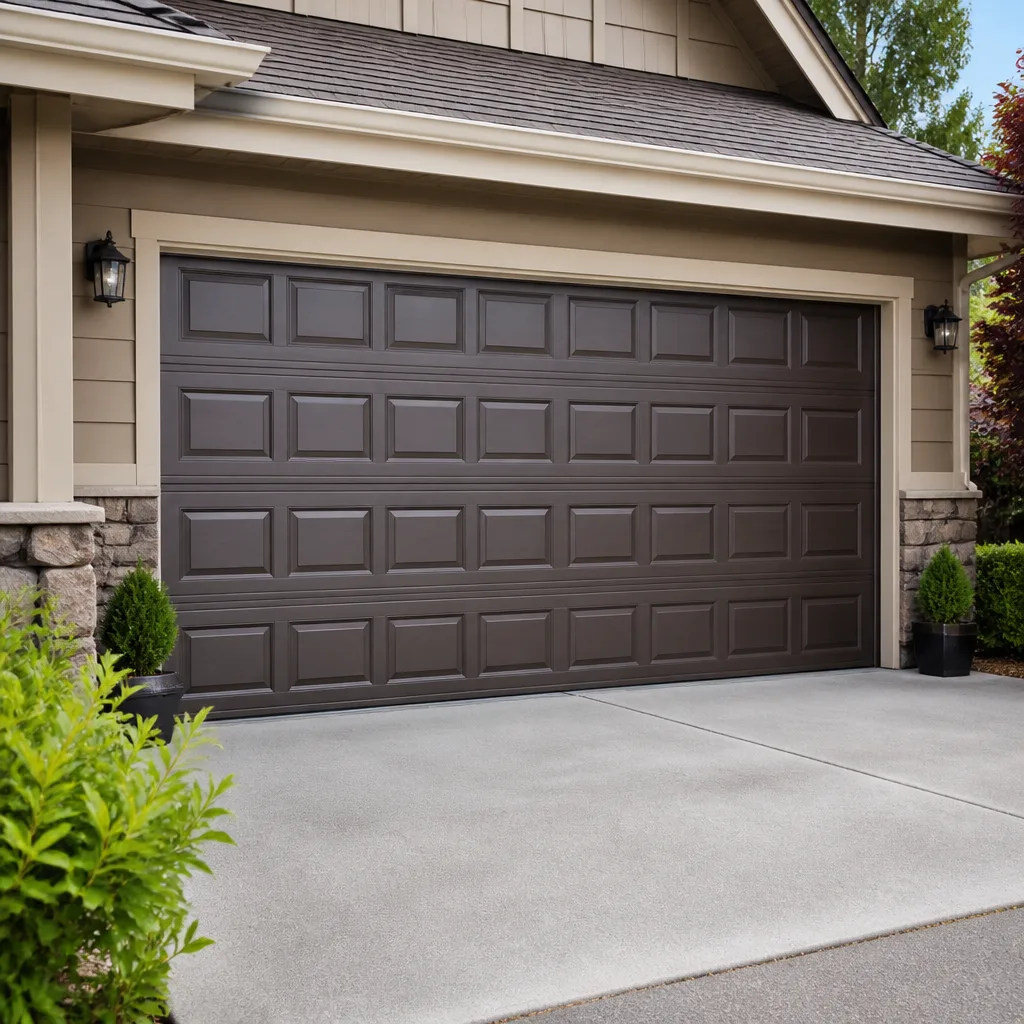 Raised-panel steel
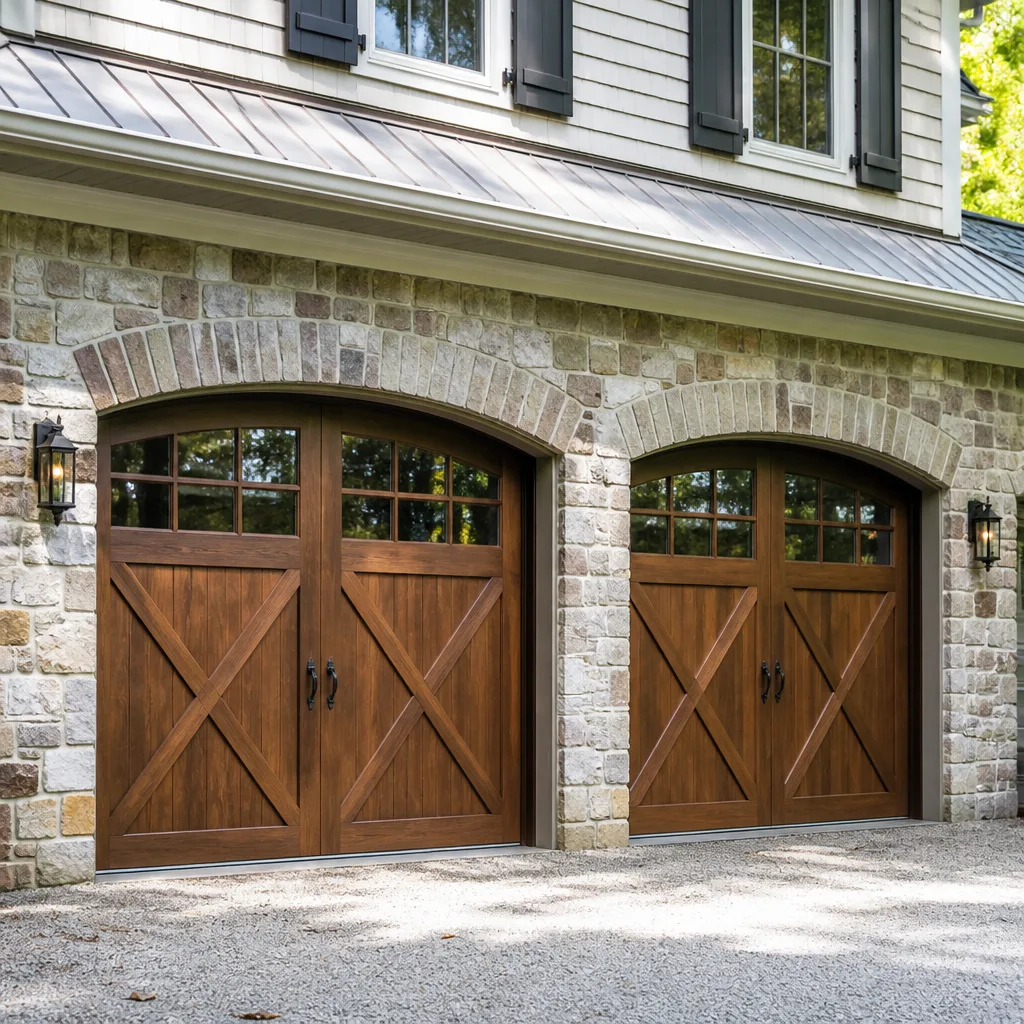 Carriage house
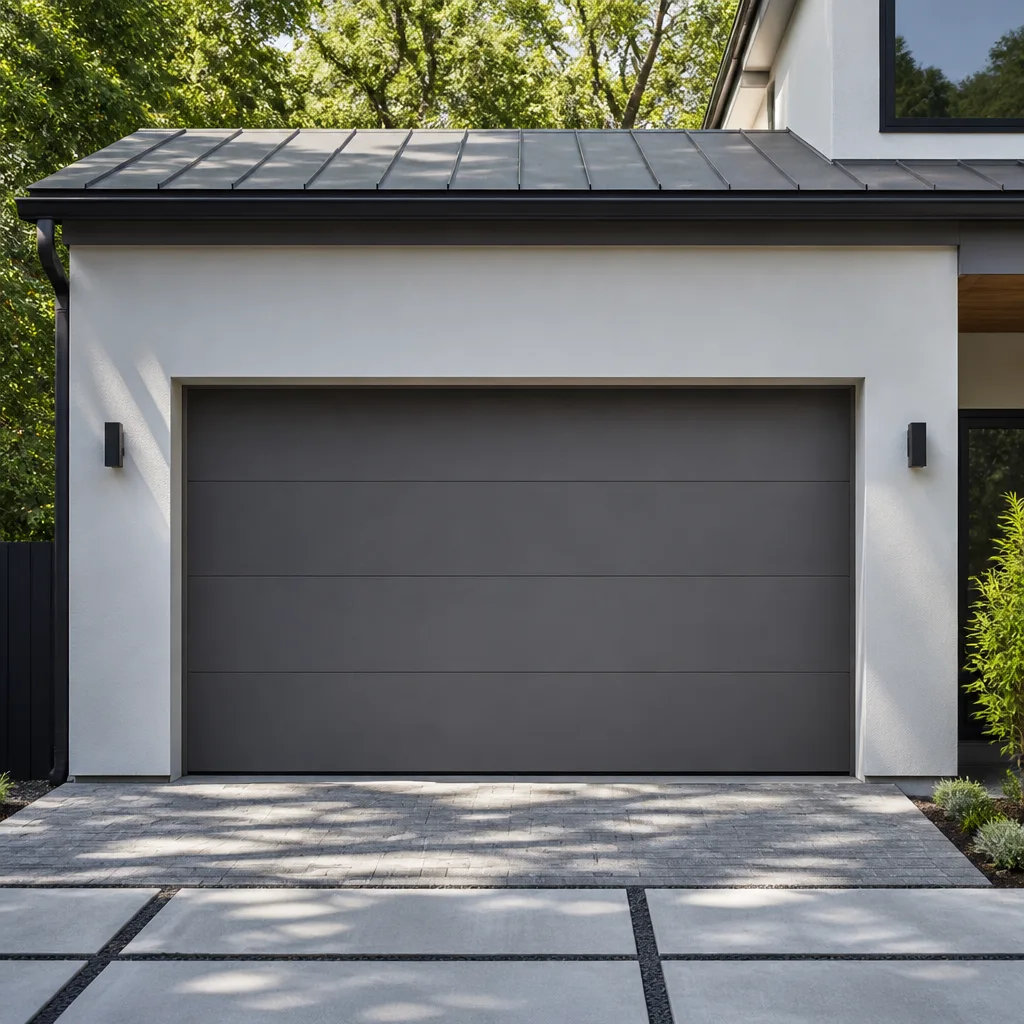 Modern flush
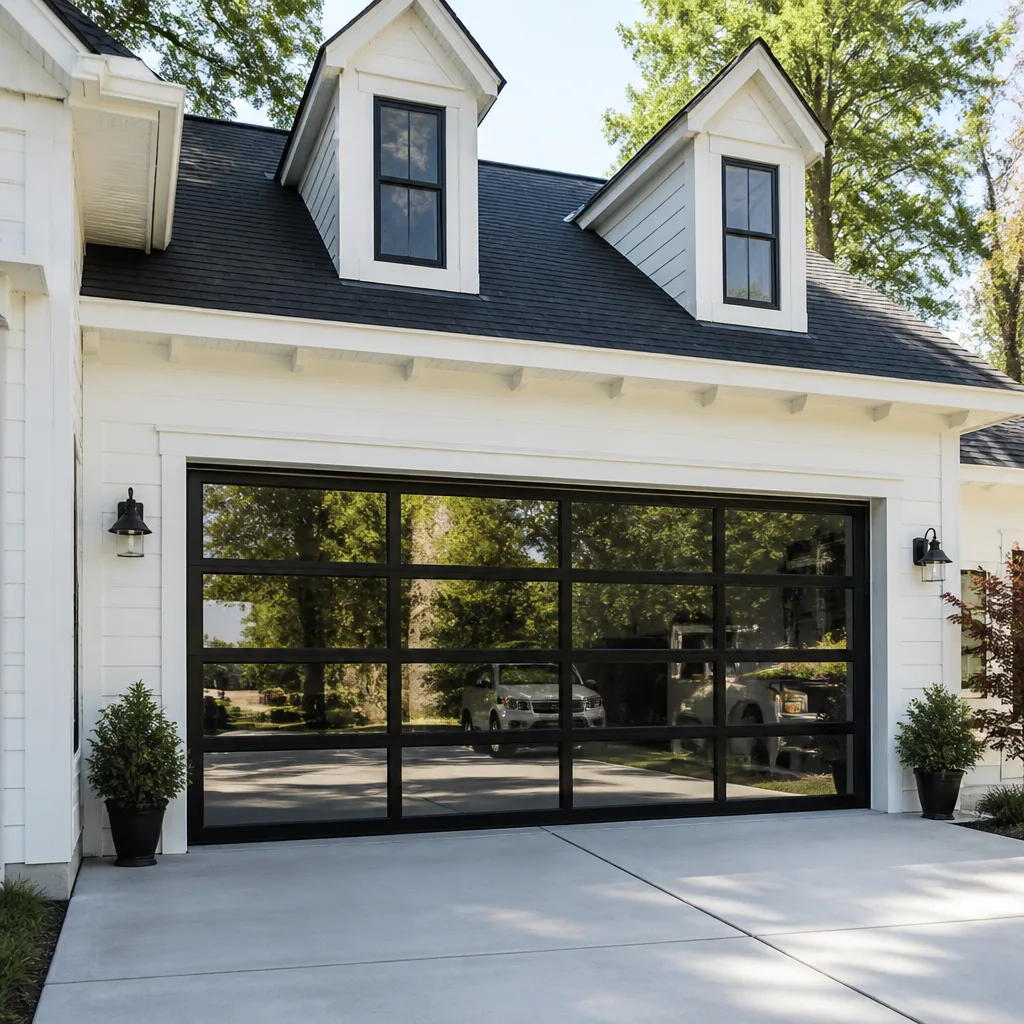 Full-view glass
 LiftMaster openers
 Chamberlain openers
Full 25-point door and opener safety check with every visit - springs, cables, rollers, tracks, and your LiftMaster or Chamberlain opener included
You get a price before we start. It does not change when the pro arrives.
Get your free estimateGarage Door Emergency Preparedness Guide for Weston Homes
Most Weston homeowners treat the garage door like an appliance: press the button, expect it to move, never think about it again. That’s the mistake. The garage door is the largest moving object on your property, it runs on stored mechanical tension, and in South Florida it also doubles as a wind-rated structural barrier during hurricane season. The counterintuitive part is that the failures that trap your car and the failures that compromise your home during a storm share almost no warning signs. By the time you notice either one, you’re already in an emergency. This guide walks through both kinds of trouble: the 7 AM spring snap, the door stuck half-open at night, and the frantic 48 hours before a named storm. You’ll learn the manual release procedure most people get wrong, the difference between a true emergency and a repair that can wait until morning, and the post-incident checks that tell you whether your door is safe to use again. We work on these doors across Weston every week, and the same gaps come up again and again.
Quick Answer
A garage door emergency in Weston is either a mechanical failure that blocks your car or leaves your home exposed, or a wind event that requires the door to hold structurally. For a broken spring, snapped cable, or door off its track, pull the manual release, secure the opening, and call for emergency garage door service rather than forcing the door by hand. For an approaching hurricane, your preparedness work happens 48, 24, and 6 hours before landfall – not during the storm. True emergencies get same-day attention; urgent-but-safe repairs can wait until the next morning.
Styles & brands we work with
- Raised-panel steel
- Carriage house
- Modern flush
- Full-view glass
- LiftMaster openers
- Chamberlain openers
Table of Contents
- The Two Kinds of Garage Door Emergencies in Weston
- How Do You Manually Release a Garage Door When the Opener Fails?
- What Should You Do If Your Door Is Stuck Open or Half-Open?
- Hurricane Protocol: The 48-, 24-, and 6-Hour Checklists
- True Emergency vs. Urgent-but-Safe: How to Tell the Difference
- Post-Emergency Inspection: What to Check Before Normal Use
- What Belongs in a Garage Door Emergency Kit
- Common Mistakes to Avoid
The Two Kinds of Garage Door Emergencies in Weston
When we talk about an emergency in this trade, we mean two very different scenarios, and confusing them is where most homeowners get caught. The first is mechanical: a torsion spring lets go, a lift cable frays and snaps, a door jumps its track, or an opener dies with the car inside. That kind of failure is sudden, loud, and it locks your daily routine. In a Weston household where the garage is the main entry point, the whole schedule stops until the door moves again.
The second kind of emergency is weather-driven. A named storm bears down, and the garage door becomes the most vulnerable large opening on the house. A standard residential door is rated for wind load, but that rating only holds when the door is intact, properly guided, and closed. A door with a worn hinge, a sagging panel, or a misaligned track can fail under pressure the door was never meant to take.
The two scenarios need different preparation:
- Mechanical emergency: you need a manual release plan, a way to secure the car and the house, and a phone number for same-day service.
- Wind emergency: you need a pre-storm inspection, a closing order, and a realistic understanding of whether your door is rated for the wind zone your home sits in.
- Overlap: a door that already has a mechanical defect becomes a wind hazard far sooner than a healthy door.
The good news is that both emergencies get much less frightening once you’ve rehearsed what to do. That preparation costs almost nothing. It’s the one part of this guide you can complete today.
How Do You Manually Release a Garage Door When the Opener Fails?
You manually release a garage door by pulling the emergency cord hanging from the opener’s trolley, then lifting the door by hand. That sounds simple, but the cord behaves differently across opener brands, the release only works if you pull it the right direction and at the right angle, and after release the door must be lifted carefully because there’s no opener doing any of the work. Most Weston homeowners have never pulled it and don’t know whether their release is even functional.
Here’s the general procedure. We’re describing what happens, not asking you to service the door yourself – the springs above your head hold serious stored energy and are genuinely dangerous.
- Disconnect power to the opener only if it’s safe to reach the outlet. Never touch wiring you’re unsure of; leave the electrical work to a technician.
- Locate the release cord hanging from the trolley – the carriage that travels along the rail. On LiftMaster and Chamberlain openers it’s usually a short cord with a handle.
- Pull straight down and slightly toward the door, firmly. If the door is under tension, you may need to take the weight off first before the trolley releases.
- Once freed, lift the door by hand. A healthy door lifts with steady, manageable force. If it feels extremely heavy or won’t lift, stop – the springs are the problem and forcing it can drop the door.
- Prop the door open if you need to move the car, but never leave it propped without the car clear.
Every opener make has its quirks. Genie and Craftsman units sometimes have the release on the rail with a different toggle. If your cord is broken, buried under a shelf, or jammed and won’t release, don’t wrench on it. Call for emergency garage door service. A technician can free the door without twisting the trolley or damaging the rail, which turns a small repair into a much bigger one. If you’re unsure your opener will cooperate in a failure, garage door opener repair can sort out a weak or failing unit before it strands you.
What Should You Do If Your Door Is Stuck Open or Half-Open?
A door stuck open, or worse stuck half-open, is a security problem before it’s a mechanical one. An open garage is an invitation, and a half-open door is a heavier version of the same exposure with the motor and track under strain. The priority is to physically secure the opening while you wait for a technician, not to force the door down.
Immediate steps:
- Disconnect the opener from the door with the manual release so it stops trying to drive a jammed panel and burning itself out.
- Block the opening at the base – a vehicle parked against it, or a barricade set in the door opening, gives you a physical barrier.
- Lock the other entries and consider lighting the driveway so the open door isn’t a beacon.
- Don’t drag the door down by hand if panels are off their tracks. You can fold a panel, skin yourself, or release a bound spring.
- Photograph the position so a technician can see what happened before you attempt anything else.
If the door is stuck half-open because one side of the cable has let go, forcing it closed risks dropping the door. If it’s hung up because an opener’s limit switches are mis-set, the door is fighting the motor, not truly jammed. Both look similar from the outside, which is why we diagnose before we touch anything. Call us at (833) 847-7527 and we’ll tell you whether the situation is safe to leave until morning or needs same-day attention. A door stuck open at night in Weston is a bad place to wait.
Hurricane Protocol: The 48-, 24-, and 6-Hour Checklists
Hurricane preparation for a garage door isn’t a last-minute scramble; it’s a sequence that happens well before landfall. The three checkpoints – 48, 24, and 6 hours – exist because different problems surface at different times and because some fixes take a technician and a part order, not a hardware-store run. We work around wind-season readiness in Weston because the biggest failures here trace back to a door that was already compromised when the storm arrived.
48 hours out
- Walk the door up and down and watch the panels. Uneven or chattering travel means a track or hinge issue that wind load will make worse.
- Check that the door closes fully and seals at the bottom. A door that doesn’t seat flush at the header or floor is a wind entry point.
- Confirm your release cord is intact and accessible. If it isn’t, get it serviced now while there’s time.
- Brace the interior where feasible with temporary studs or a door-bracing kit rated for the wind zone. If you’re unsure, ask a professional rather than guessing.
24 hours out
- Clear the area inside the garage – loose objects and tools become projectiles if the door flexes.
- Test the opener one more time. If the door won’t open or close smoothly, book service today, not during the storm.
- Move vehicles out of the garage if the door is suspect, and move valuables off garage walls.
6 hours out
- Close the door and lock it down per your opener’s manual.
- Stop opening and closing it. A door under load shouldn’t be cycled repeatedly near peak wind.
- Do not stand in the garage while the storm passes.
If at any checkpoint the door shows a defect, call us. Clopay and Amarr doors are common in Weston homes and hold up well when healthy, but every rated door relies on working hardware, tracks, and springs.
True Emergency vs. Urgent-but-Safe: How to Tell the Difference
The line between an emergency and an urgent repair is mostly about exposure and about whether the door can be left and still be safe. Getting this right saves you money and keeps you from waiting hours over something that could have waited until morning.
This is a true emergency – call for same-day service:
- Broken spring with the car trapped inside and no working manual release.
- Cable snapped or clearly off its drum, with the door resting out of level.
- Door off its tracks and leaning, especially if it’s blocking the car or an exit.
- Door stuck open at night or stuck half-open in a way that exposes the interior.
- Opener running but the door not moving and the safety reverse no longer functioning.
This is urgent but safe to schedule for the next visit:
- A single noisy hinge or roller that’s still tracking.
- A slow or balky opener that’s cycling but weak.
- A minor weather-seal gap that lets in a draft.
- A cosmetic panel ding with no effect on travel or sealing.
When in doubt, call. We’ll ask a few questions about what the door does and doesn’t do, and we’ll tell you plainly which category you’re in. If it’s a repair that truly can wait, we’ll say so. Emergency garage door service is a standing part of what we do, not something we tack on, so we’re not going to strand you waiting over a bad spring. If you’re not sure what’s wrong, the best first move is a call, and it’s free to get an estimate: (833) 847-7527.
Post-Emergency Inspection: What to Check Before Normal Use
After any emergency – a cable snap, a door coming off the track, or a wind event – you should not simply re-engage the opener and carry on. The door needs a structural check first. A door that moved violently or dropped at one corner can have hidden problems that fail the next time you press the button, and that’s a much worse situation than staying put.
What to check before using the door again:
- Check the tracks for bends, gaps at the floor, and the vertical alignment of each rail. A track that’s out of plumb will cause the door to bind.
- Look at the cables for fraying, kinks, or slack. Cables are under load; never touch or adjust them yourself.
- Inspect the panels for bowing, cracks, or folds – especially after a storm, since a panel that flexed and didn’t fail may have lost its rating.
- Test the balance in the middle of its travel. The door should hold roughly where you let go; if it drops fast, the spring system is compromised and should not be driven by the opener.
- Confirm the safety reverse still trips on an obstruction. This is the single most important safety feature of the whole system.
- Have a technician inspect anything involving springs, cables, or tracks before moving the door back into normal service.
Springs and cables are the two parts of a garage door we never coach a homeowner through. The springs above your door hold hundreds of pounds of stored force, and a cable under tension can fail without warning. This is a safety issue, not just a repair – garage door spring repair is a specialist job, and it’s one of the core services we offer for exactly that reason. If something looks or sounds wrong after an emergency, book an inspection before you run the opener again.
What Belongs in a Garage Door Emergency Kit
A small garage door emergency kit costs very little and pays off the moment your door fails. Most Weston homes have nothing prepared because the door has always worked, and that’s exactly the mindset that leaves a household stranded on the day it doesn’t.
- A printed manual for your opener. Note your make and model on it – LiftMaster, Chamberlain, Genie, and Craftsman manuals each show the release procedure slightly differently.
- A phone number for emergency service you can see without a browser search, since the issue may cut into your connectivity or your time.
- A flashlight for the garage interior, since opener and spring failures often happen in the dark.
- Work gloves for moving anything by hand, but never for servicing cables or springs.
- A temporary barricade – a sturdy board or cone set – to block an open door in an emergency.
- A quick checklist of the manual release steps so anyone in the house knows what to do.
If your home uses a Wayne Dalton or Craftsman opener, note on your checklist that release layouts can differ from the more common LiftMaster and Chamberlain pattern, so look at yours before you need it. If you don’t know your make or model, a garage door repair visit can identify it and confirm the release works. It’s a 10-minute check that prevents an hour of panic.
Common Mistakes to Avoid
- Never pulling the manual release until the moment of failure. Test its function once now, while you’re not in a hurry. If it doesn’t release, get it fixed before it strands you.
- Forcing a door that’s off its track by hand. A door that has jumped a track is heavier and more unstable than it looks. Forcing it can bring a panel down.
- Trying to service springs or cables yourself. This is the mistake with real injury behind it. Springs are a safety issue, not a DIY project.
- Waiting until landfall to address a weak door. In Weston, a wind-rated door is only as good as its tracks, hinges, and springs. Prep work done after the storm warning is too late.
- Re-engaging an opener on a door that just failed. Don’t press the button again after a cable snap or track jump until someone inspects it.
- Leaving a stuck-half-open door overnight “because it’s late.” That’s an open invitation on the most exposed side of the house. Call for emergency garage door service.
- Assuming a single spring repair means the pair is fixed. Matched springs should be replaced together. Replacing one and leaving the other usually means the older spring fails shortly after – get the whole system evaluated.
See the difference
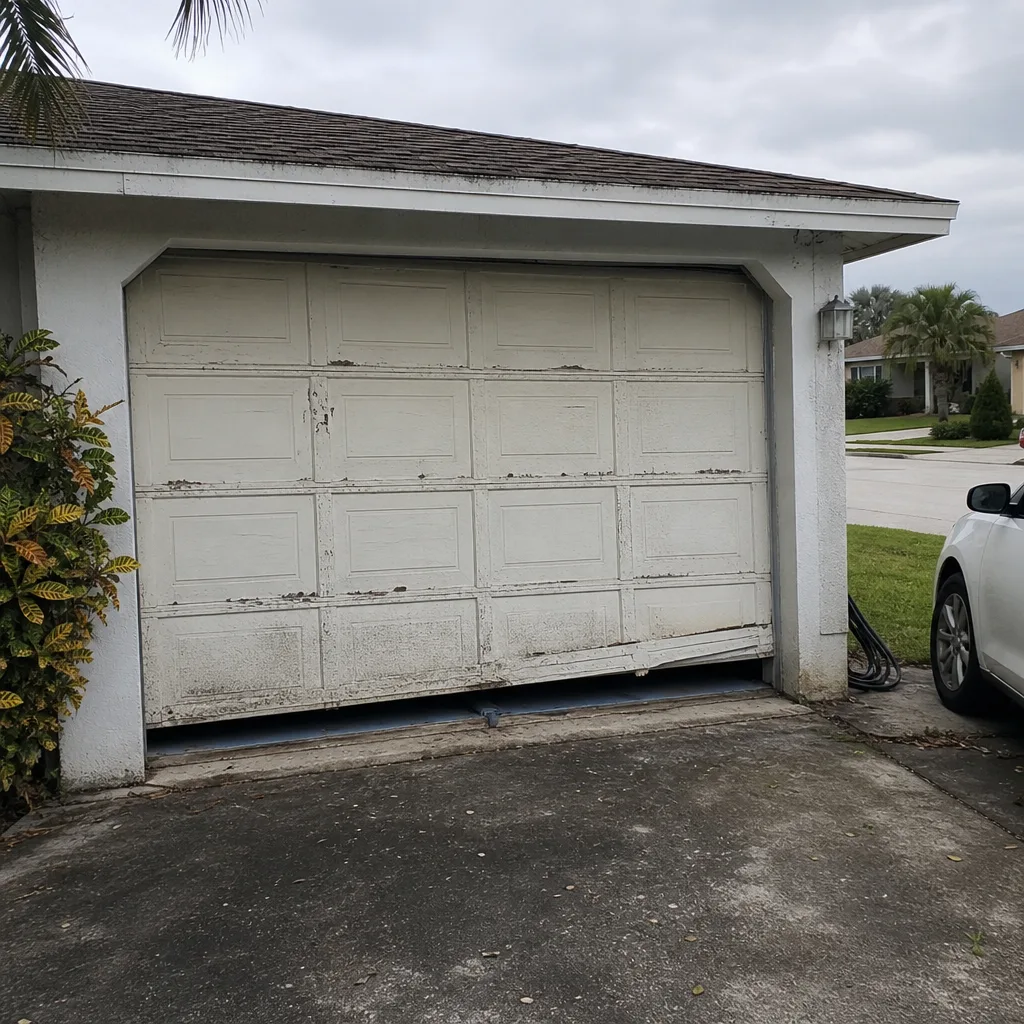 Before
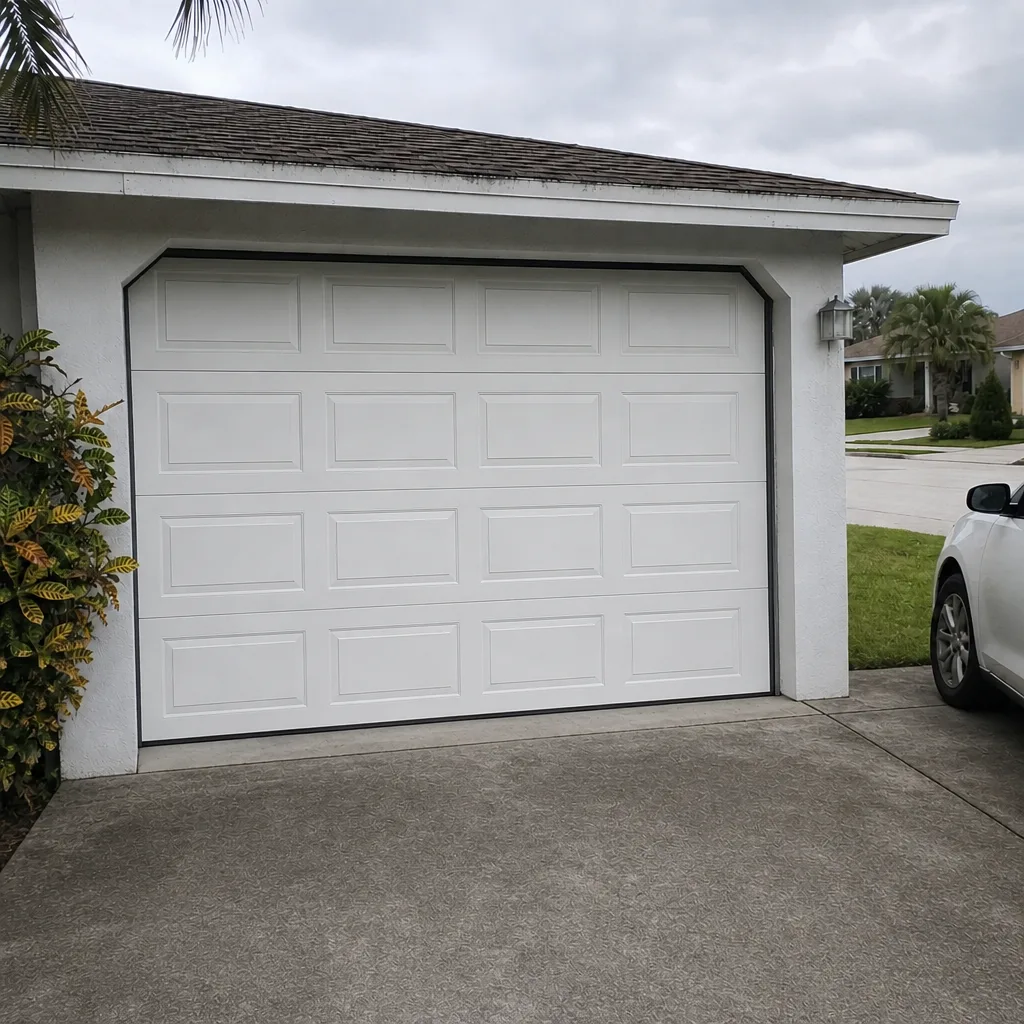 After
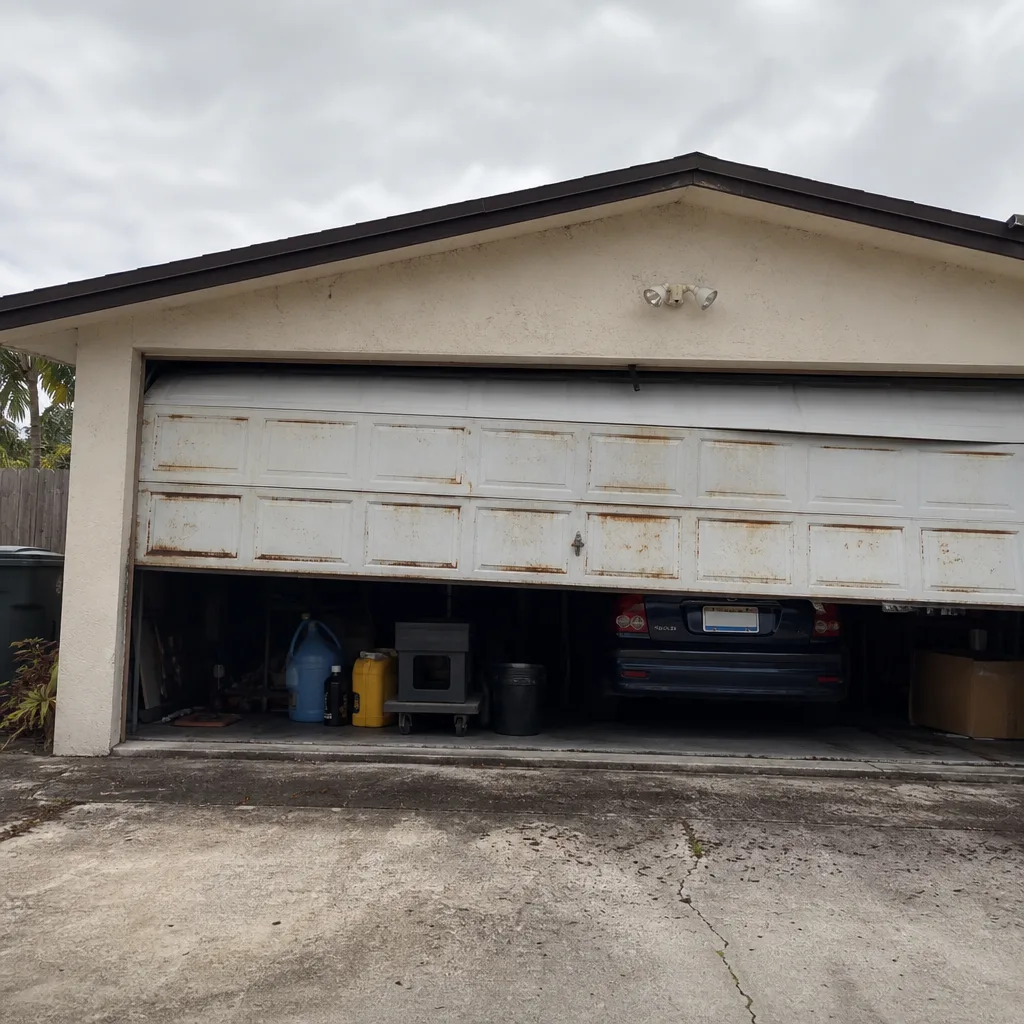 Before
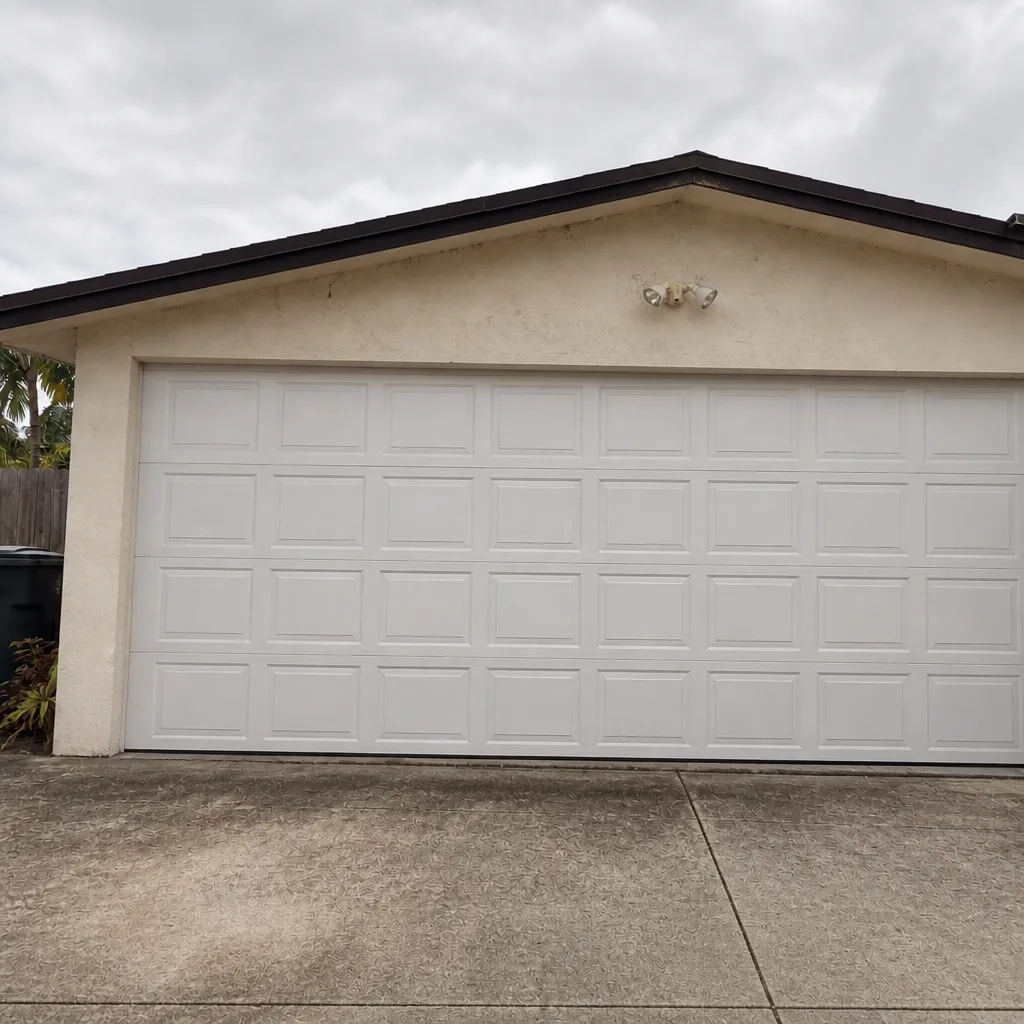 After
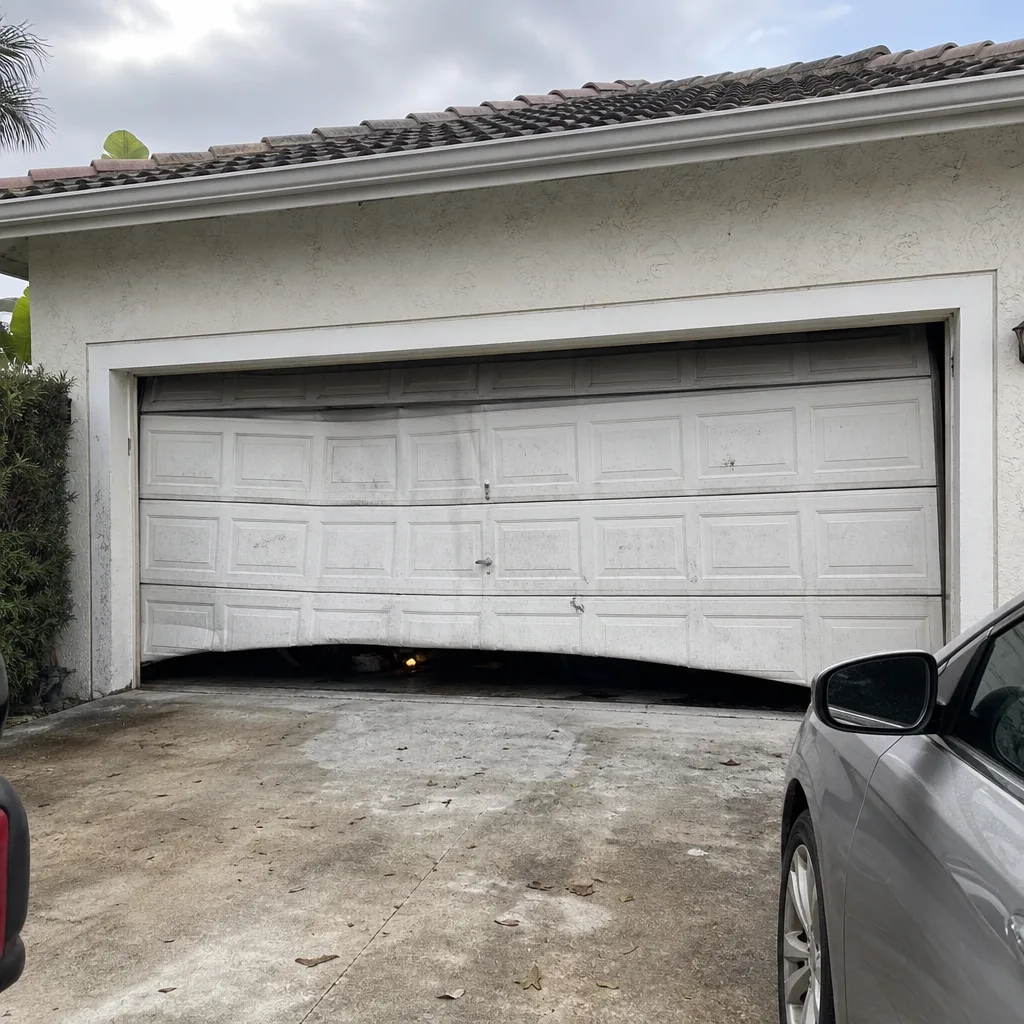 Before
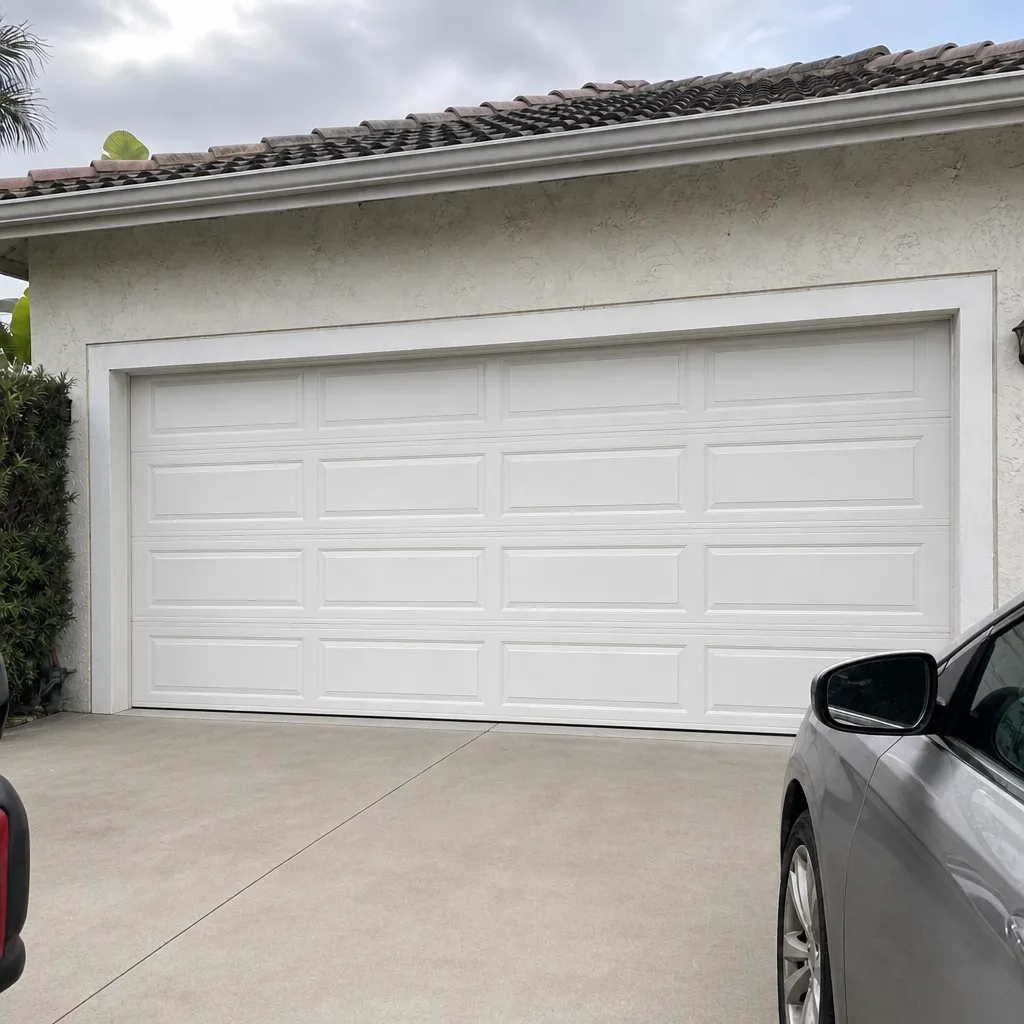 After
When to Call a Professional
Call a professional when the door won’t move after a manual release, when a cable or spring shows any defect, when the door is off its track, or when the opener runs but the door doesn’t. Call us at (833) 847-7527 and we’ll help you decide whether you’re in a true emergency needing same-day service or an urgent job that can schedule for the next visit. You call when a wind event has touched the door and you’re not sure it’s still safe – a post-storm inspection is worth it before the next close. You call for the manual release that won’t release, the door that hangs half-open at night, or the opener that’s dying on a door that’s the primary way in and out. Our technicians have up to 15 years of experience and work on the brands most Weston homes actually have. As Weston Garage Door Repair Pros, we can take one call and cover the diagnosis, the repair, and the safe return to normal – no second contractor. Weston Garage Door Repair Pros offers free estimates in Weston – call (833) 847-7527.
Frequently Asked Questions
Pull the emergency release cord hanging from the opener’s trolley and lift the door by hand. The opener has to be disengaged first, and the door must lift without extreme force; if it’s heavy or won’t move, the springs are the problem and you should stop and call for emergency garage door service. If the release is broken or jammed, don’t force it – call us at (833) 847-7527.
A broken spring with the car trapped, a snapped cable or door off its track, a door stuck open at night, or a door compromised by wind before or after a storm. These are true emergencies and get same-day attention. Noisy hinges, weather-seal gaps, and slow openers are urgent but safe to schedule for the next visit.
Yes. A door that won’t close is a security issue and qualifies for same-day service. Call (833) 847-7527 and we’ll get a technician out, or tell you the safe steps to take while you wait – including blocking the opening and disengaging the opener.
No, not if the opening is exposed. Secure it with a physical barrier, keep other entries locked, and light the driveway. A half-open door is a security risk and may also be under mechanical strain. Call for emergency garage door service and we’ll advise you on whether it needs to be handled immediately.
Start at the 48-hour mark: walk the door up and down, check the tracks and hinges, and confirm the bottom seal is flush. At 24 hours, clear the interior and test the opener; at 6 hours, close and lock it conforming to your opener’s manual, then stop cycling it. If you find a defect, book service now – not during the storm.
When it won’t balance in mid-travel, when cables are frayed or slack, when the tracks are bent, or when panels are bowed or cracked. In any of those cases the door should not be cycled until a technician inspects it. Don’t press the opener again until you’ve had it looked at – call (833) 847-7527 for a post-emergency inspection.
Matched springs are usually replaced together, since they’re sized and installed as a pair. Replacing one and leaving the other often means the older spring fails soon after. A technician will evaluate the whole spring system and give you a written price before any work begins. If you’re not sure, call (833) 847-7527.
A printed opener manual with your make and model noted, the emergency service number, a flashlight, work gloves, a temporary barricade, and a written manual-release checklist. Knowing your opener brand – LiftMaster, Chamberlain, Genie, or Craftsman – means the release steps will make sense before you need them.
The Bottom Line
A garage door emergency in Weston is a mechanical failure you’re unprepared for or a storm the door has to survive – and the same principle governs both: know the door before it fails. Pull your manual release once to confirm it works. Walk the door monthly for tracks, cables, and balance. Prepare for a storm at the 48-hour mark, not at landfall. And when something loud happens, don’t force it: call a technician who knows your brand and can diagnose the problem instead of guessing. One call covers the repair, the spring work, and the safe return to service.
If you’ve got a door that just failed, or one you’re not sure will make it through the next storm, call Weston Garage Door Repair Pros at (833) 847-7527 for a free estimate. Emergency service is a standing capability, not an upsell – whether it’s 7 AM or the night before a storm, we’re set up to get you back in service.
Written by the team at Weston Garage Door Repair Pros.