Last updated November 21, 2026
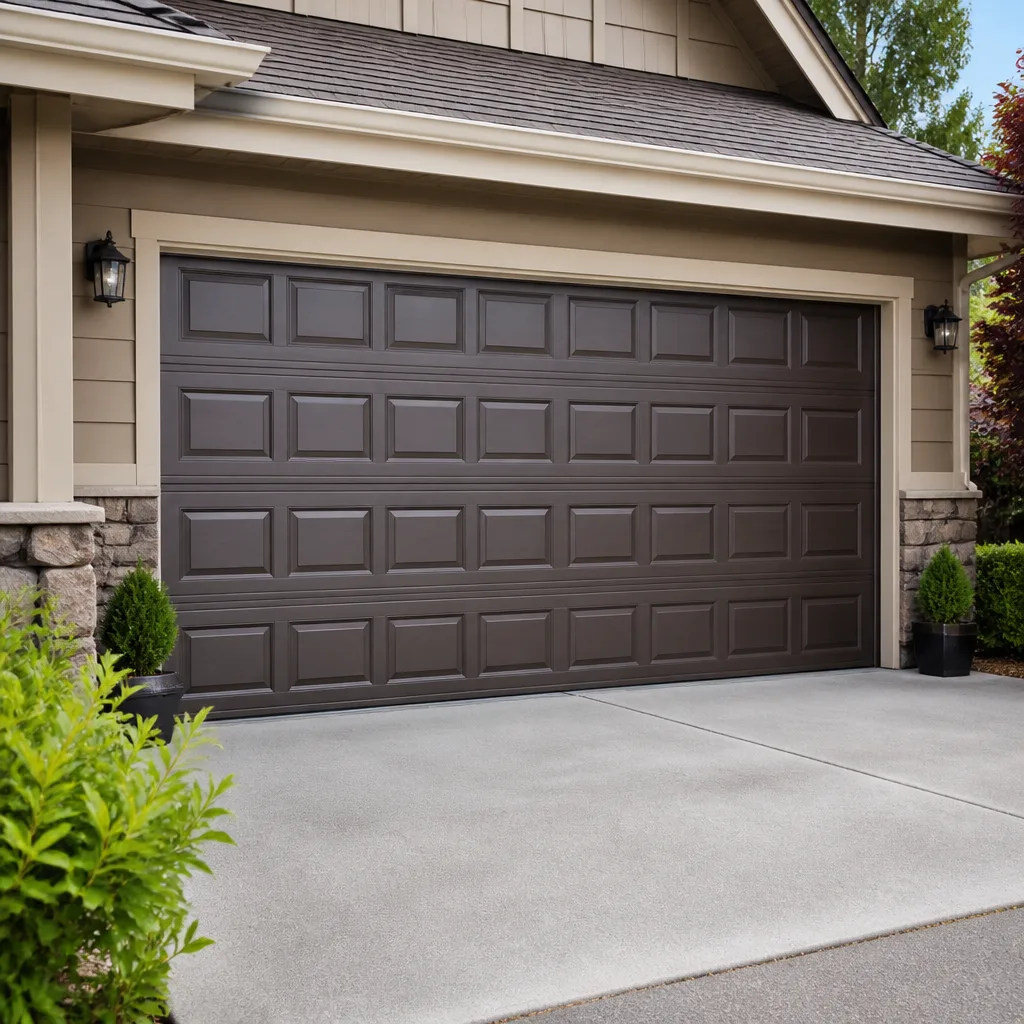 Raised-panel steel
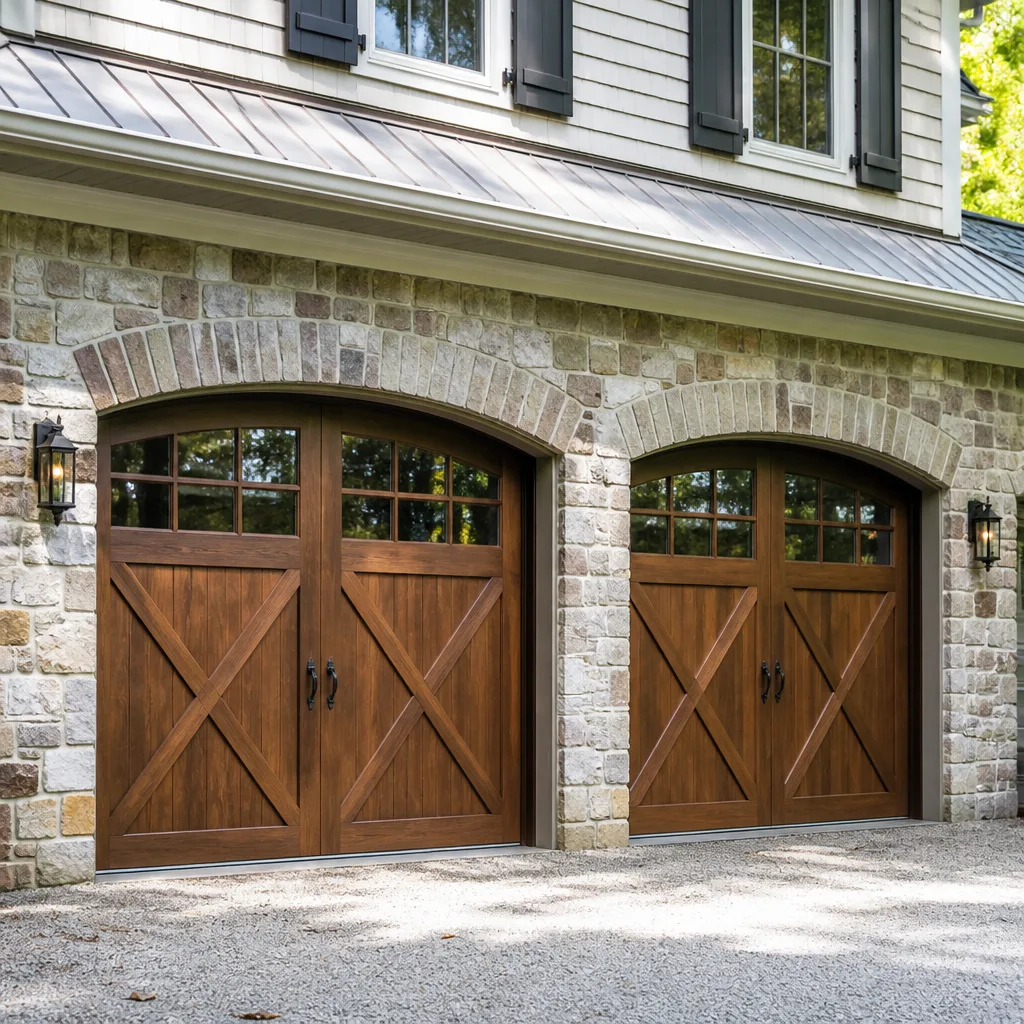 Carriage house
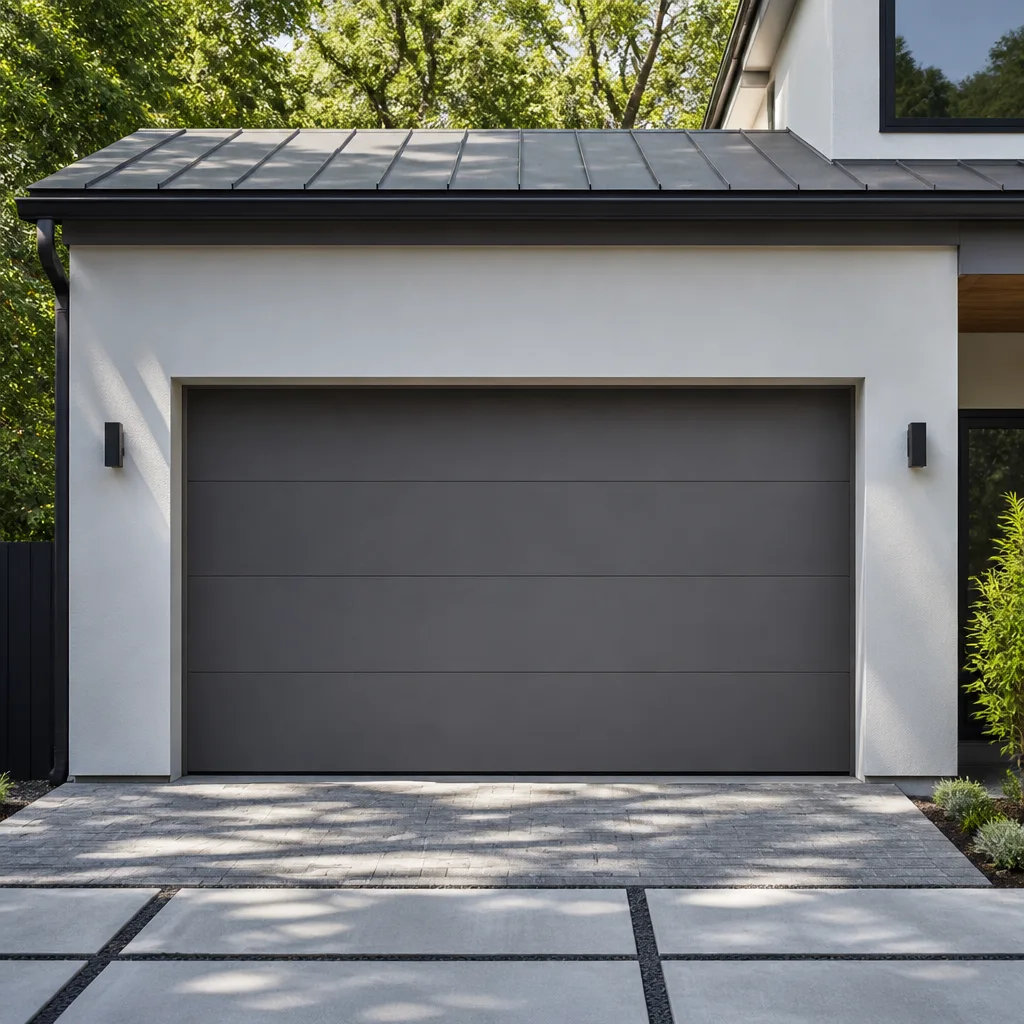 Modern flush
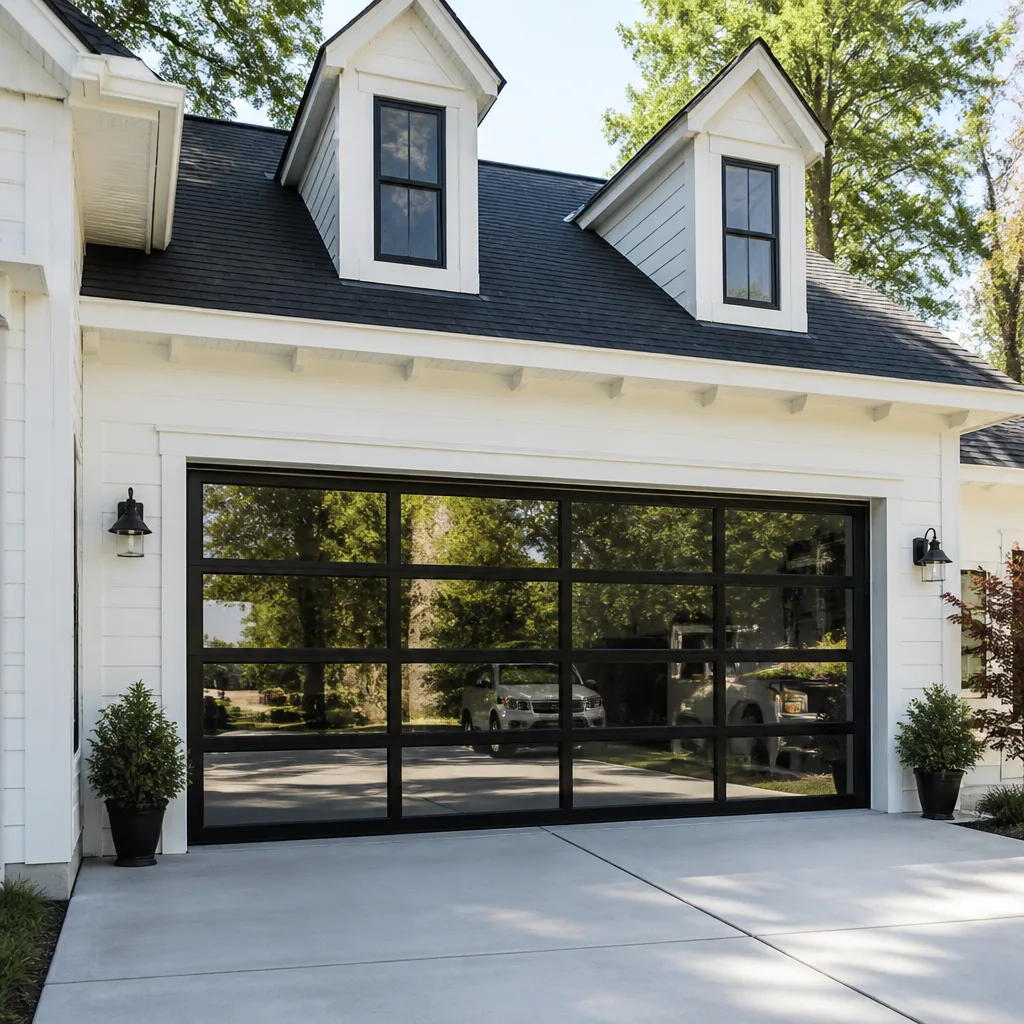 Full-view glass
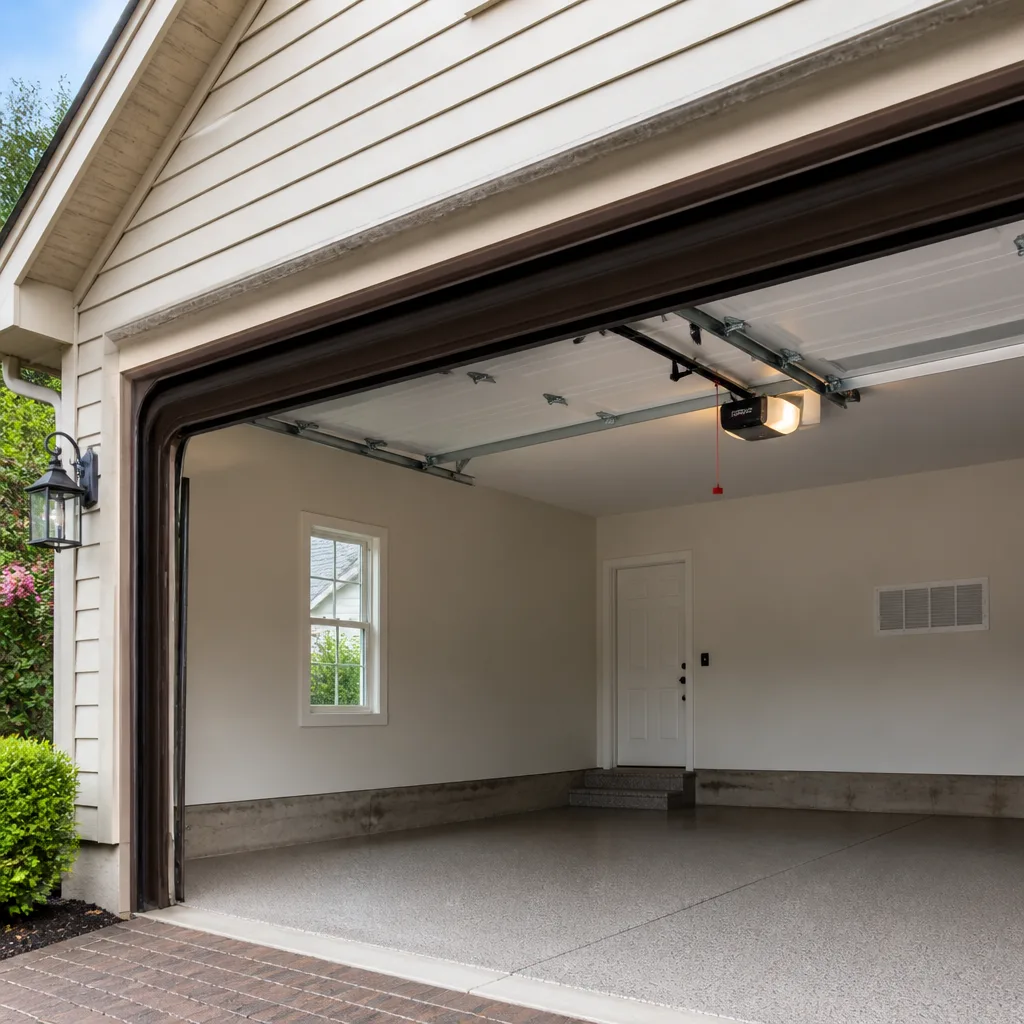 LiftMaster openers
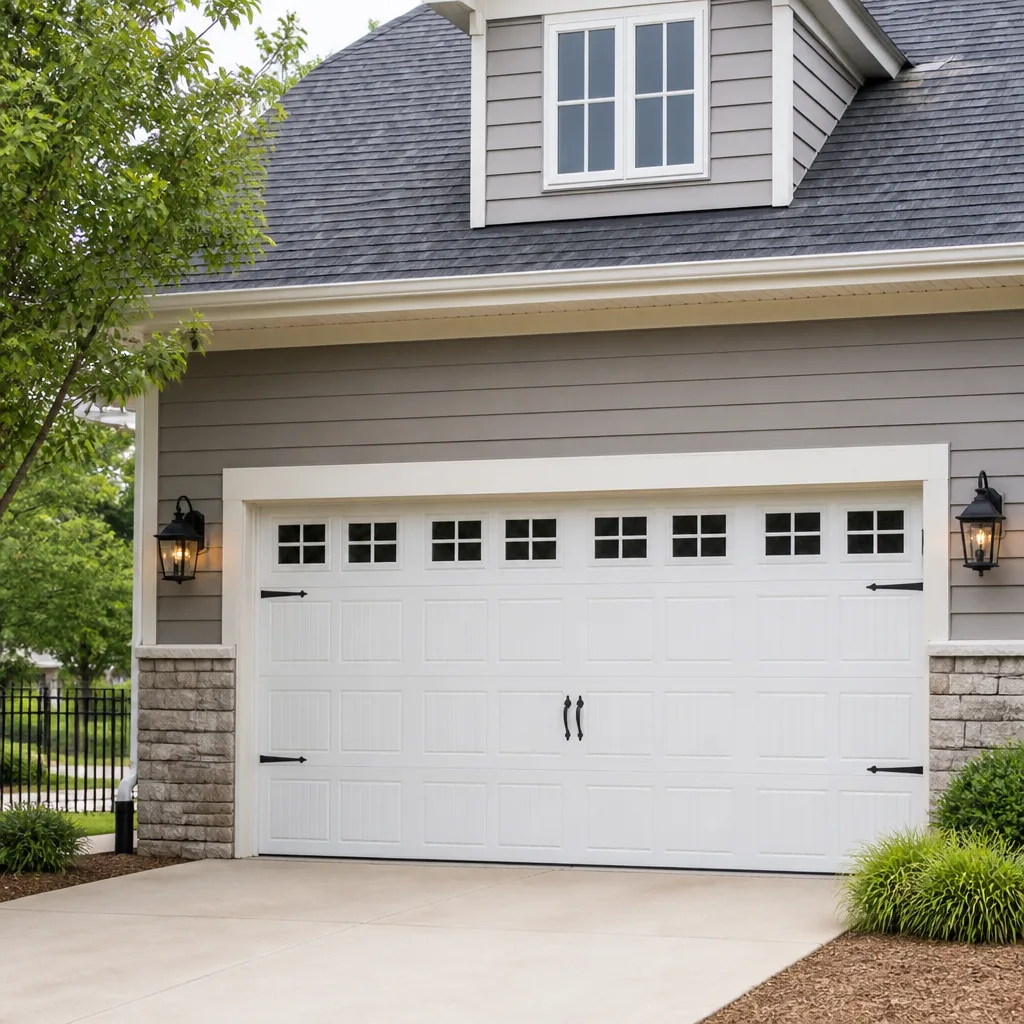 Chamberlain openers
Full 25-point door and opener safety check with every visit - springs, cables, rollers, tracks, and your LiftMaster or Chamberlain opener included
You get a price before we start. It does not change when the pro arrives.
Get your free estimateGarage Door Repair Troubleshooting in Weston: Common Problems and How to Fix Them
If your garage door won’t open and you’ve already replaced the batteries, you’ve already skipped the step that would have solved it in 90 seconds. Most Weston homeowners start troubleshooting at the opener because it’s the part with buttons and a remote. But the door itself, the panels, tracks, rollers, cables and springs, is where the real story is told. Reading the door first, then the hardware, then the electronics, in that order, saves you from replacing a remote when the actual fault is a stretched chain or a bent track. This guide walks through the symptoms you’re most likely to see in Weston, the specific fixes that don’t require tools, and the exact line where a garage door repair in Weston becomes dangerous enough that it belongs with a trained technician.
Quick Answer
A garage door that won’t move is usually a mechanical problem, not an electronic one. In Weston’s heat and humidity, swollen wood frames, drifting photo-eyes from the sun’s angle, and snagged cables account for most door failures that look like opener faults. Start with the door itself, check the manual release and obstructing hardware, then rule out the opener. Anything involving the springs or cables is a trained-professional job.
Styles & brands we work with
- Raised-panel steel
- Carriage house
- Modern flush
- Full-view glass
- LiftMaster openers
- Chamberlain openers
Table of Contents
- Why We Read the Door Before the Opener
- The Symptom-First Diagnostic Tree
- Weston Humidity and Heat: Problems That Mimic Bigger Failures
- How to Safely Release and Operate Your Door While You Wait
- Common Misdiagnoses: Dead Opener vs. Disconnected Trolley
- The Line Between DIY and Dangerous
- Springs and Cables: What Screams for a Technician
- When to Call a Professional
Why We Read the Door Before the Opener
A garage door system has three layers: the moving door and its hardware, the operator (the opener), and the remote controls. In our experience across Weston neighborhoods like Weston Hills, Bonaventure, and Savanna, the vast majority of “my opener is broken” calls turn out to be a hardware issue that pressed a symptom onto the opener. The opener is the messenger, not the culprit.
Here’s why the order matters. If the door is bound up on a bent track, the opener strains to move it, trips its internal force sensor, and reverses. That looks exactly like a faulty logic board. If a cable has come off a drum, the door drops slightly and the opener can’t lift it. That looks like a stripped gear. If the safety photo-eyes have moved two inches from a swollen frame, the door closes halfway and reverses. That looks like a travel-limit problem.
Reading the door first means you avoid two things: paying for opener parts you didn’t need, and missing a mechanical fault that will just break the next opener if it isn’t addressed. We work on the full range of opener platforms, from LiftMaster and Chamberlain logic boards to Genie and Craftsman chains and belts, and even on the most modern opener, a bent track will stop the door.
The three-layer read, in order:
- Door movement. With the opener disconnected (manual release pulled), push the door halfway up by hand. Does it move smoothly, stay put, or fight you?
- Hardware condition. Look at the tracks, rollers, hinges, cables and springs. Anything visibly bent, frayed or out of line?
- Electronics. Only after the first two are clean: check the wall switch, remote batteries, photo-eye LED alignment, and the opener’s own error blink code.
This guide is built around that order because it’s the same order a technician follows on arrival in Weston. It’s the fastest way to reach the actual problem rather than the loudest one.
The Symptom-First Diagnostic Tree
The fastest diagnosis comes from the symptoms you already notice. Before you touch anything, ask what the door is actually doing. The specific noise, movement or non-movement tells you where to look.
Door won’t move at all
- Pull the manual release cord if the door is down and the opener runs but the door doesn’t move. If the door now moves by hand, the opener or trolley is the fault, not the door.
- If the door is stuck up and the opener runs with no door movement, suspect a broken spring (the door is too heavy for the opener) or a snapped cable. Do not attempt to close it under power.
- If the opener is completely silent and no LED lights up, check the outlet and circuit breaker before assuming the board is dead.
Door goes up a few inches and reverses
- Almost always a travel-limit or force-sensor setting issue, or an obstruction on the track. LiftMaster and Chamberlain openers trip the safety reverse on force spikes.
- Check for a roller jumped out of the track, a foreign object on the floor, or debris jammed in the hinge line.
Door closes partway and reverses
- The classic photo-eye symptom. Look at the two small lenses near the floor on each side of the door. If one LED is off or flickering, they’re misaligned or blocked.
- In Weston, the afternoon sun angle through a west-facing garage opening can flood the receiving eye with infrared and cause false triggers. A short sun-shade bracket usually fixes it.
Door is noisy, jerky or grinds
- Dry rollers and hinges. Lubrication is a maintenance fix, not a repair.
- Worn nylon rollers or a loose hinge. Grinding at a specific panel points you to the exact hinge.
- A dull thudding from the opener head suggests worn drive gears, especially on older Genie and Craftsman units.
Door sags on one side
- A stretched or broken spring on that side, or a cable that has come off its drum.
- On double doors, one spring can carry more load than the other, causing visible sag. This is a technician call.
Match your symptom to this tree before you look at the opener manual. Nine times out of ten, the door tells you where the problem lives.
Weston Humidity and Heat: Problems That Mimic Bigger Failures
Weston’s subtropical climate does specific things to garage door hardware, and some of those things look like major failures when they aren’t. Knowing which local effects are minor saves you a diagnostic call and possibly an unnecessary part.
Swollen wood frames
Wood door jambs and frames absorb moisture during the rainy season. When the wood swells, it can catch the door’s weather seal or the edge of the panel, which the opener reads as an obstruction. The door reverses, the homeowner assumes a bad sensor. Letting the frame dry and adjusting the seal gap is usually the whole fix. If the swelling is chronic, the seal needs replacing rather than the door.
Photo-eye drift from the sun angle
Weston’s bright afternoons are tough on infrared safety beams. The sun hits the receiving eye directly for a few hours and the opener refuses to close. The eyes aren’t broken; they’re overpowered. Shade the receiver or aim the bracket slightly down. This is the single most common “my door won’t close” call we handle in Weston, and it’s a 10-minute adjustment, not a repair.
Thermal expansion on metal tracks
Metal tracks expand in the summer heat. A track that was perfectly aligned in cooler weather can bow slightly and start catching a roller. The symptom is a rhythmic clunk at one point in the travel. It sounds serious. It’s usually a track adjustment.
Lubricant breakdown
High heat thins and evaporates grease faster than in cooler climates. Rollers, hinges and the opener’s rail need lubrication more often in Weston. Dry hardware is noisy hardware, and noise reads as “the door is falling apart” when it’s just unlubricated.
None of these need a new door, a new opener or an emergency call. Knowing that heat and humidity cause these looks-like-failure symptoms is half the battle. If after checking them the door still misbehaves, that’s when the diagnosis moves to the real culprit. Call (833) 847-7527 and we’ll tell you on the phone whether it sounds like a minor adjustment or something that needs a visit.
How to Safely Release and Operate Your Door While You Wait
When the door is stuck, you still need to get the car out or secure the house. The manual release is the tool for that, but the steps most owner manuals omit are the ones that keep you safe while you use it.
Releasing the door safely
- Make sure the door is fully closed first, if possible. A door released while open and unsupported by springs can drop fast and hard. If the door is stuck open and the spring is possibly broken, do not release it alone. Call for help.
- Stand clear of the door’s path. Position yourself to the side, not under the door.
- Pull the red handle straight down and hold the door with your other hand. The trolley disconnects from the opener; the door is now under manual control. If it feels much heavier than normal, the spring is likely broken and you should not lift it.
- Lift from the bottom center, using your legs. Never lift a heavy door by the panels from the top. The bottom edge is the strongest lift point.
- For an open door you need to close: release it, then lower with a firm grip and let it settle closed. If it slams rather than glides, the spring is compromised. Leave it and call.
The part most manuals skip: reconnecting
When you want the opener to take over again, pull the release cord once more to re-engage the trolley, or run the opener a few inches until it clicks. If the trolley won’t reconnect, the door’s position doesn’t match the opener’s travel limits. Push the door to roughly the closed position and cycle the opener once. If the trolley still won’t seat, the trolley itself may be damaged.
One more safety point: a door held up on a broken spring is not secure. If you need to leave the house with the door released and no way to lower it safely, block the opening or leave through another door. Springs are a safety issue, not just a repair, and a technician can bring the door back into service the same day in most Weston cases.
Common Misdiagnoses: Dead Opener vs. Disconnected Trolley
The most expensive mistake in garage door troubleshooting is buying parts for the wrong layer. Two misdiagnoses account for most of the wasted money we see in Weston.
“My opener is dead” is usually a disconnected trolley
The trolley is the carriage that rides on the opener’s rail and pulls the door. If it’s disconnected (from a power surge, a force trip, or a manual release that never got re-engaged), the opener runs, the light comes on, the motor sounds healthy, but the door doesn’t move. Homeowners hear the motor and assume the drive gear is stripped, then buy a gear kit. Before you buy anything, watch the trolley while the opener runs. If the trolley moves but the door doesn’t, the connection is the fault, not the opener. If the trolley doesn’t move at all, then look at the opener’s drive system.
“My spring is broken” is sometimes a snapped cable
A snapped spring makes a loud bang and the door drops a few inches. A snapped cable does almost the same thing, but the spring is intact. The difference matters because the cable is the only thing holding the spring’s energy under control, and a loose cable is just as dangerous. Look for a frayed end hanging near the drum or a cable off its pulley. If you see either, do not lift the door. That’s a technician call and a same-day one in most cases.
Other misreads
- “My remote needs replacing” when the wall switch still works. That’s the remote, but check batteries and re-pair first.
- “My opener needs replacing” when the door is just binding. A fresh opener on a bound door will fail too.
- “My sensor is broken” when the LED alignment is fine but the sun is flooding the receiver. See the heat and humidity section above.
If you’re not sure which of these you’re looking at, describe the symptom over the phone to us and we’ll narrow it down. That’s the same first step a technician takes on arrival.
The Line Between DIY and Dangerous
Not every garage door fix needs a professional, and telling homeowners to call for a light bulb is unhelpful. But the line is clearer than most people think, and it doesn’t move based on confidence or the number of YouTube videos watched.
Safe to handle yourself
- Replacing remote batteries and re-pairing remotes.
- Cleaning the photo-eye lenses and nudging a misaligned bracket.
- Lubricating rollers, hinges and the opener’s rail.
- Tightening a loose hinge bolt or a track bolt, hand-tight.
- Checking the outlet and circuit breaker behind a silent opener.
- Pulling the manual release to free a stuck car.
Call a technician
- Any spring work. Torsion and extension springs store enough energy to cause serious injury. Never attempt to wind, unwind or replace one.
- Any cable work. Cables hold the spring under tension and can whip if released improperly.
- Replacing rollers under load. A tensioned door can drop when you remove the wrong roller.
- Replacing the opener or its logic board. Live wiring and a heavy door above you is the wrong combination for a first attempt.
- Any adjustment that requires lifting or securing the door itself.
The line works like this: if the fix requires you to touch a spring, a cable, or a door under tension, it’s a professional job. If it’s a remote, a lens, a lubricant, or a bolt, it’s yours to try. That’s not upselling; that’s the physics of stored energy. A trained technician brings the right tools, knows how to pin the door safely, and can get the door back in service in one visit.
Springs and Cables: What Screams for a Technician
Springs and cables are the heart of the door system and the part of the job that separates a routine repair from a real safety event. We treat spring work as a dedicated service because it’s one of the most technically demanding and safety-critical parts of what we do.
Torsion springs, mounted on the shaft above the door, and extension springs, mounted along the tracks, both store the energy that balances the door. When a spring breaks, the door becomes dangerously heavy. When a cable snaps, the door drops with nothing to slow it down. Any sign of either is a call, and a same-day call in most Weston cases.
Symptoms that mean stop and call
- A loud bang from the garage and the door has dropped a few inches. This is the classic spring break sound.
- A visible gap in the torsion spring or an extension spring hanging loose.
- A frayed or snapped cable hanging near the drum or pulley.
- The door feels extremely heavy when you lift it by hand, or won’t stay up when you let go at waist height.
- The door sags on one side or sits crooked.
What a technician does
We pin the door, measure the existing spring’s dimensions and wire gauge, install the correct replacement, then balance and tension the door. A door that isn’t balanced will strain the opener and fail again, so a proper spring job ends with the door holding position mid-travel with the opener disconnected. If your door fails that test, it needs attention before you use it again.
One spring is replaced at a time when only one has failed, but matched pairs are usually replaced together because a matched set shares the load evenly. If the second spring is at the end of its life, replacing one now means replacing the other in a few months and paying twice. Ask what the technician recommends for your specific door.
If you’re hearing a bang from the garage right now, call (833) 847-7527. We treat spring and cable failures as emergencies because the door isn’t safe to operate until they’re fixed. For non-emergency spring work, you can also read more about our garage door spring repair service.
When to Call a Professional
You should call a professional when the symptom is mechanical rather than electronic, when anything under tension or above head height needs adjusting, and when the door won’t stay up on its own. Specific scenarios that always warrant a call: a door that bangs and drops, a cable off its drum, a door that reverses at the same point every time, a door that sags or rubs, an opener that runs but won’t lift the door, and a door that won’t close at night when you need the house secure.
Weston Garage Door Repair Pros offers free estimates in Weston. We work on LiftMaster, Chamberlain, Genie, Clopay, Amarr, Wayne Dalton, Craftsman and Raynor, so when you call, the technician already knows the hardware on your door. Same-day and emergency service are standing capabilities, not exceptions. Call (833) 847-7527 for an exact quote. Estimates are free and there’s no obligation to proceed.
See the difference
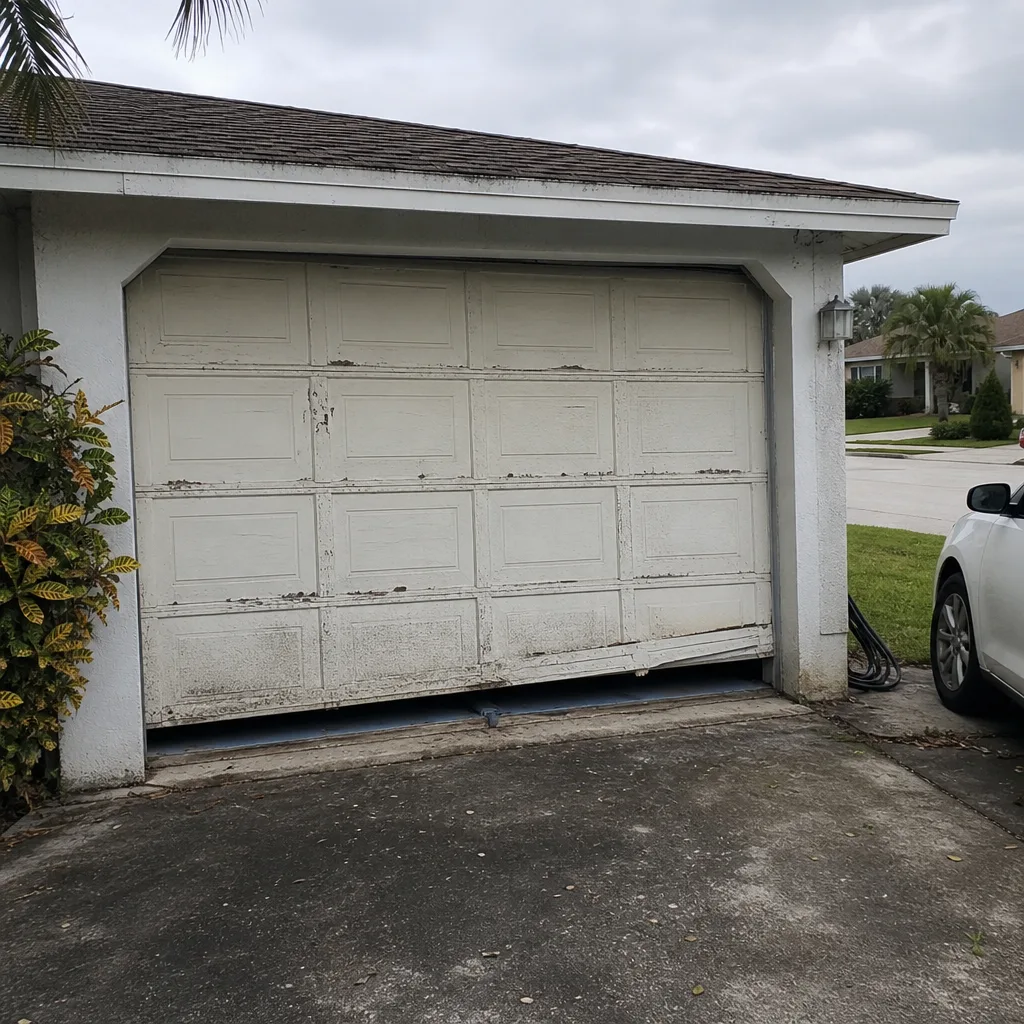 Before
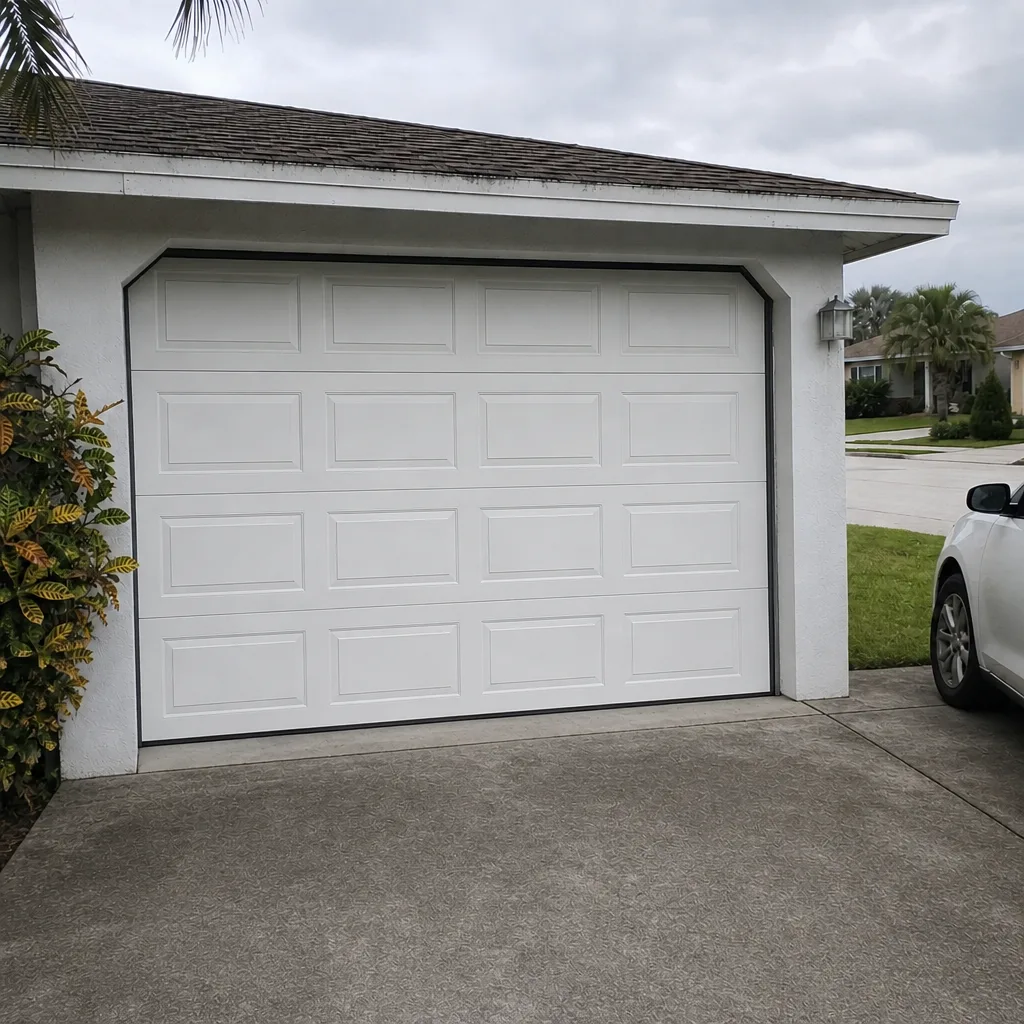 After
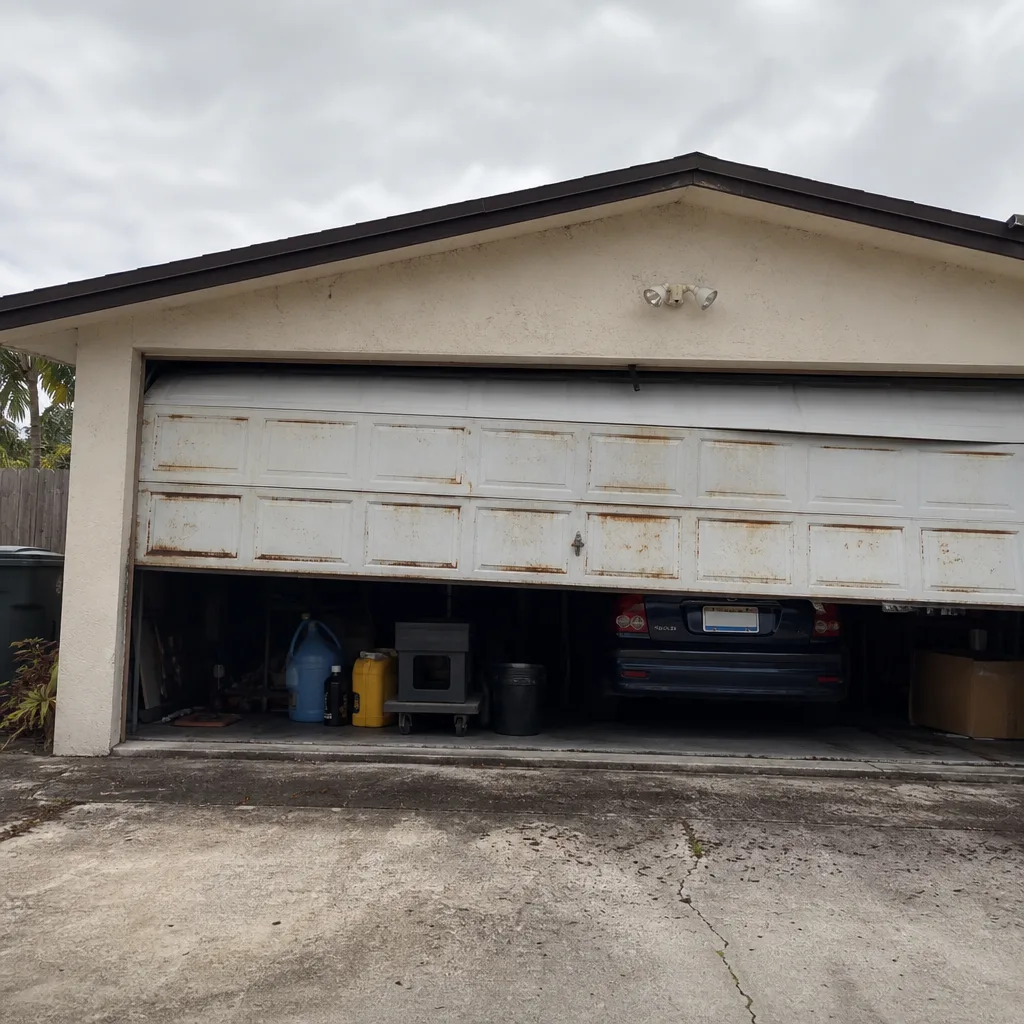 Before
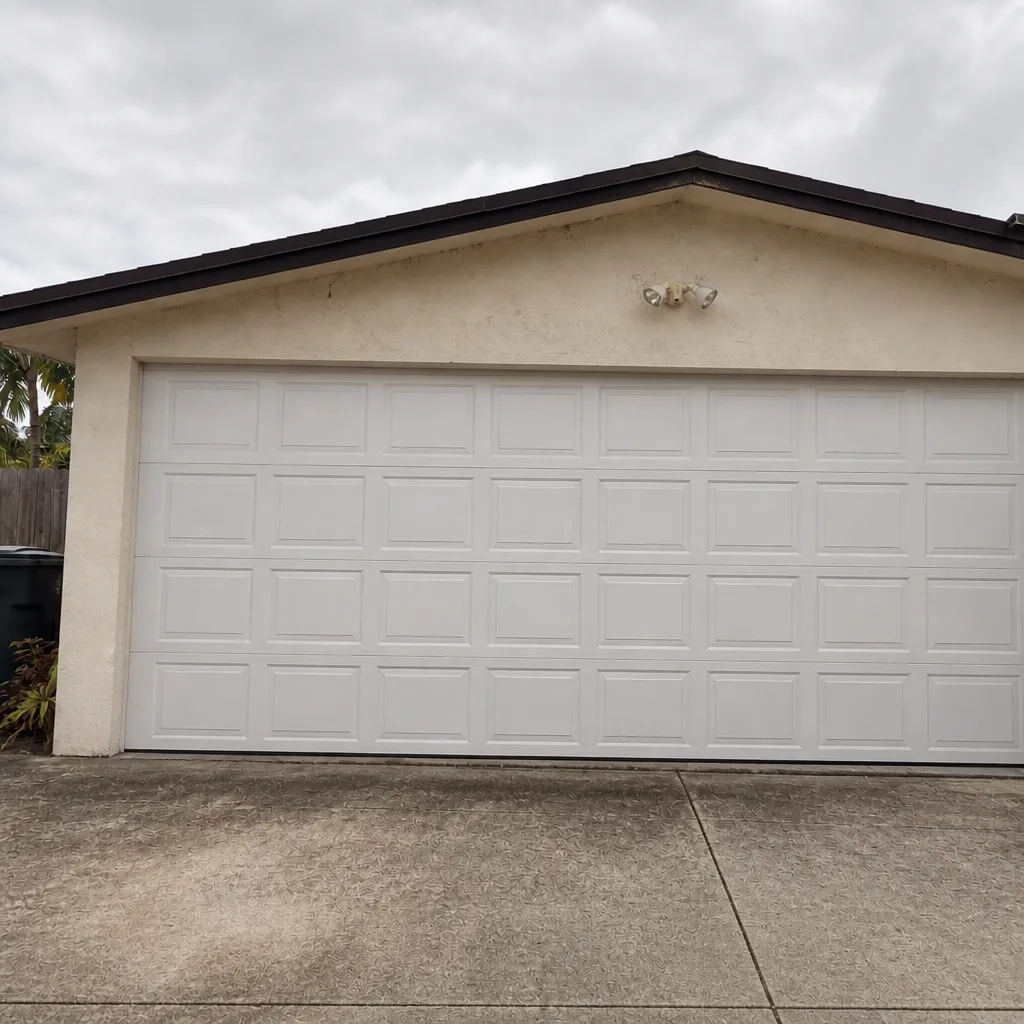 After
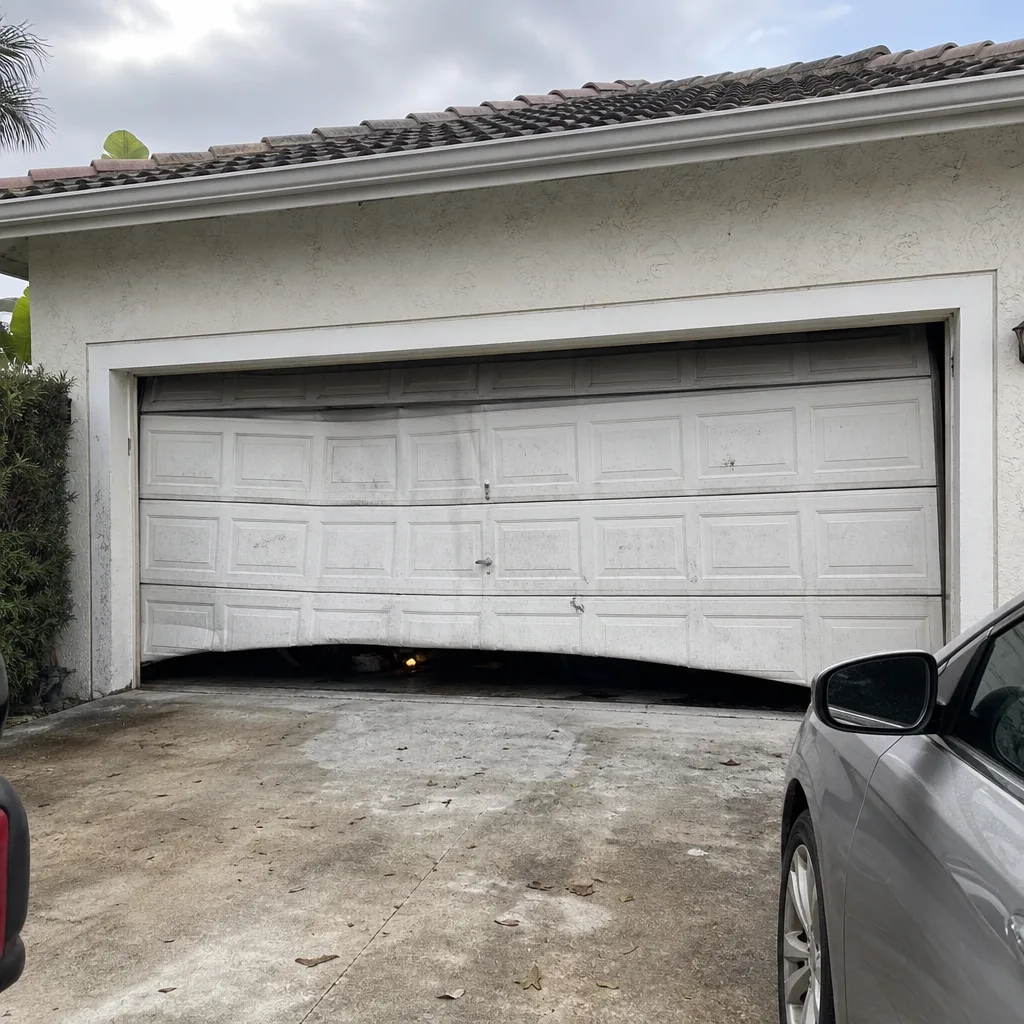 Before
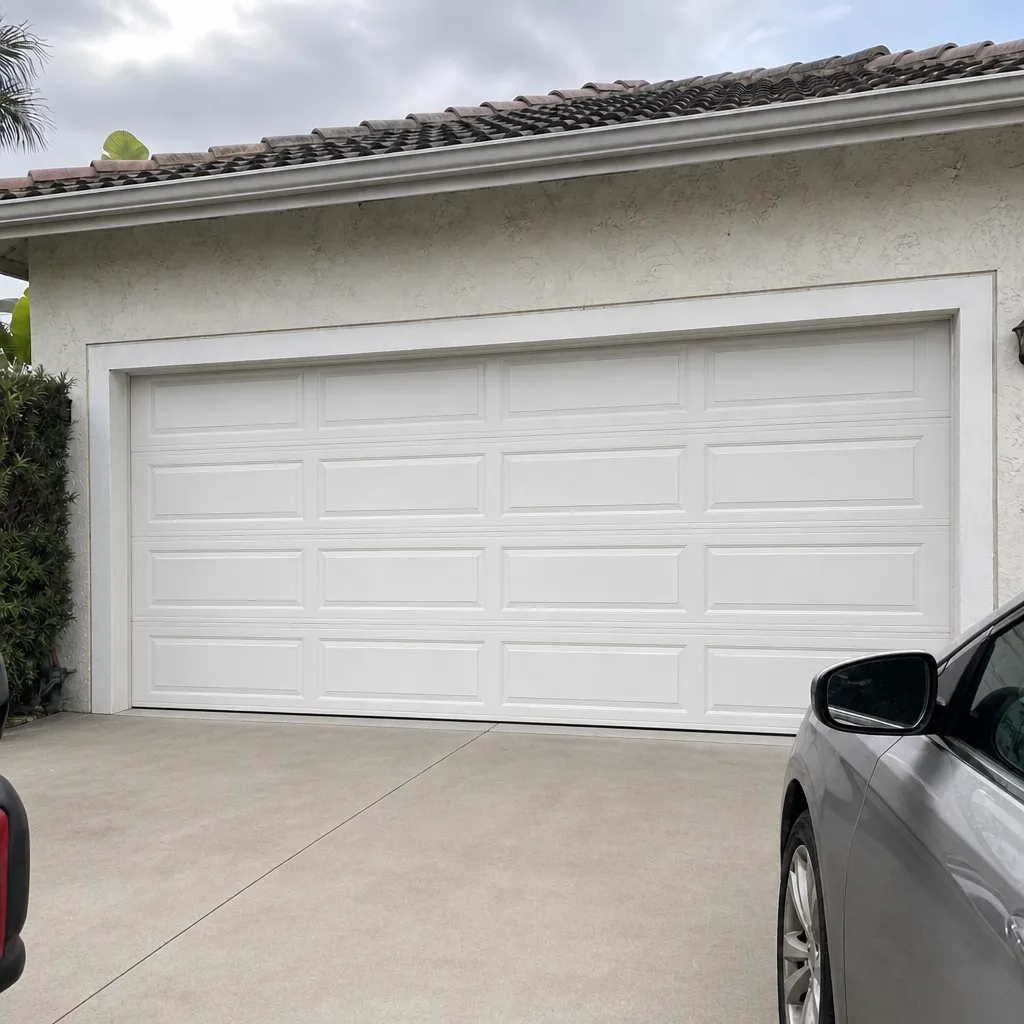 After
Frequently Asked Questions
Your door is almost certainly hitting a force-sensor trip or a travel-limit issue. Check for an obstruction on the track, a roller that’s popped out, or debris at the bottom seal first. If the door is clean, the opener’s force setting has likely drifted and needs adjustment. If it still reverses, call (833) 847-7527 and we’ll get an exact diagnosis.
Yes. Same-day service is a standing capability for us across Weston. Spring and cable failures are treated as emergencies because the door isn’t safe to operate until they’re fixed. Call (833) 847-7527 and we’ll confirm the timing.
No. We quote the price before any work starts, and the written quote sets the final price. If the diagnosis during the visit changes what needs doing, you get a revised quote before the technician touches anything. That’s the rule, not an exception. Call (833) 847-7527 for a free estimate.
The local pro who performs the work is licensed and insured as Florida requires. We connect you with vetted independent local professionals who handle the job. You’re not hiring an unvetted handyman. Call (833) 847-7527 for details.
The sun’s infrared is overpowering your receiving photo-eye. That’s a Weston-specific screwdriver fix: shade the receiver or aim the bracket slightly down. If the door still reverses, the eye may be misaligned or faulty, and we can sort it out. Call (833) 847-7527 for a free estimate.
A broken torsion spring shows a visible gap in the coiled spring; a snapped cable shows a frayed end hanging near the drum or pulley. Both make the door dangerous because the spring’s energy is no longer controlled. Don’t lift the door after either one. Call (833) 847-7527 and we’ll get a technician out.
The Bottom Line
Read the door before the opener. That’s the single habit that separates a fast diagnosis from a wasted afternoon in Weston. Weston’s heat and humidity create symptoms that mimic bigger failures, so check the swollen frame, the sun on the photo-eye, and the swollen track before you replace anything. Springs and cables are always a technician job because the stored energy makes them dangerous. Everything else is a screwdriver and a phone call. When the door is stuck, the manual release gets you moving again, and Weston Garage Door Repair Pros covers the rest from diagnosis through repair, opener work, spring replacement and full installation. One call covers it: (833) 847-7527.
Contact
If your door is stuck, sagging, banging or just acting strange, call Weston Garage Door Repair Pros at (833) 847-7527 for a free estimate and an upfront, written price before any work starts. We work on your brand, we’re available for emergency calls, and we’ll get you back in service. One call covers it.
Written by the team at Weston Garage Door Repair Pros.