Last updated November 21, 2026
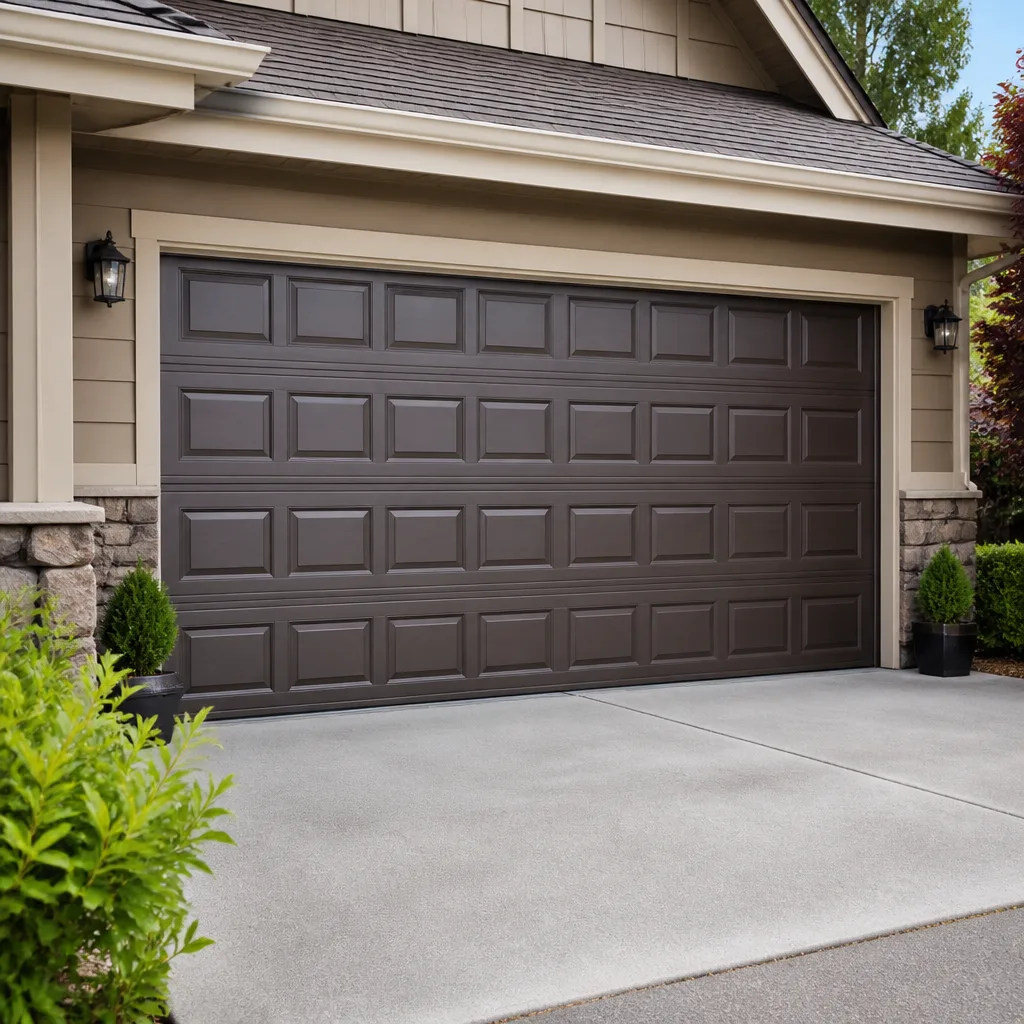 Raised-panel steel
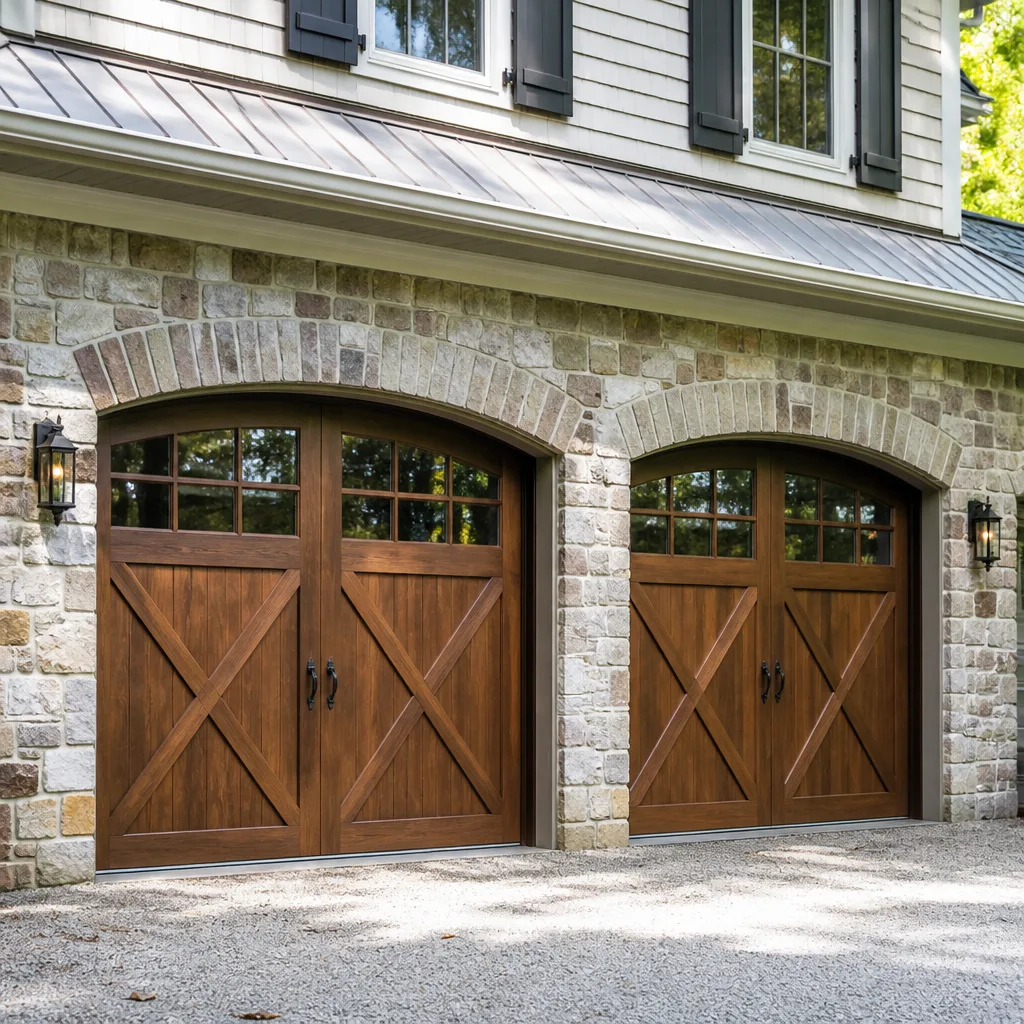 Carriage house
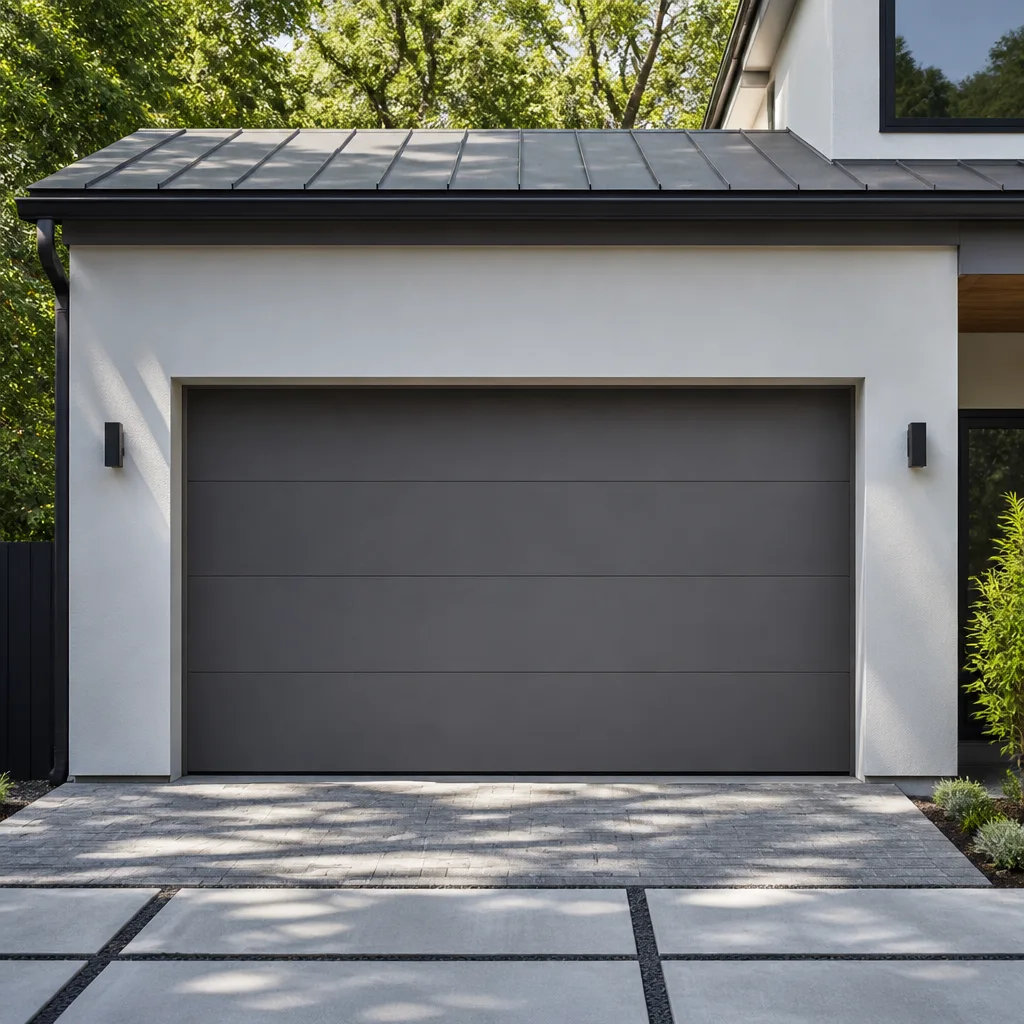 Modern flush
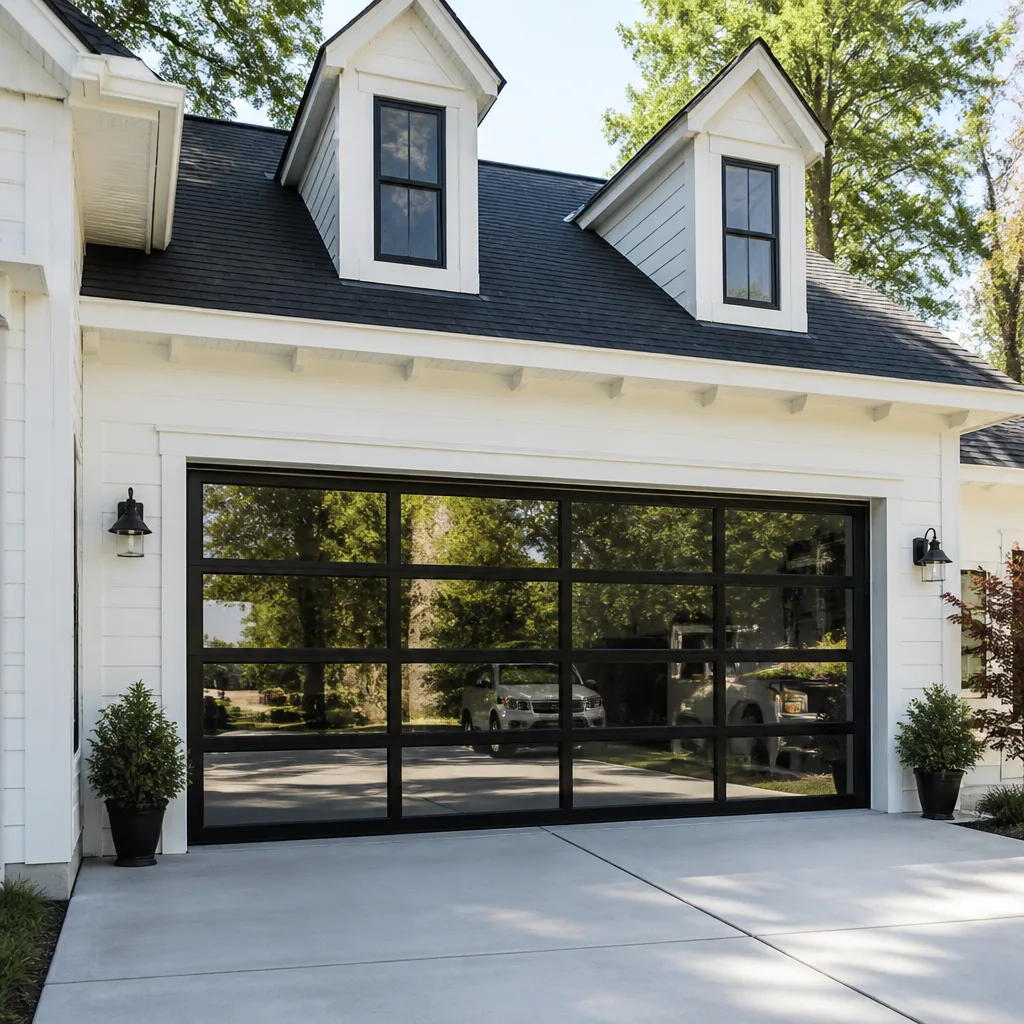 Full-view glass
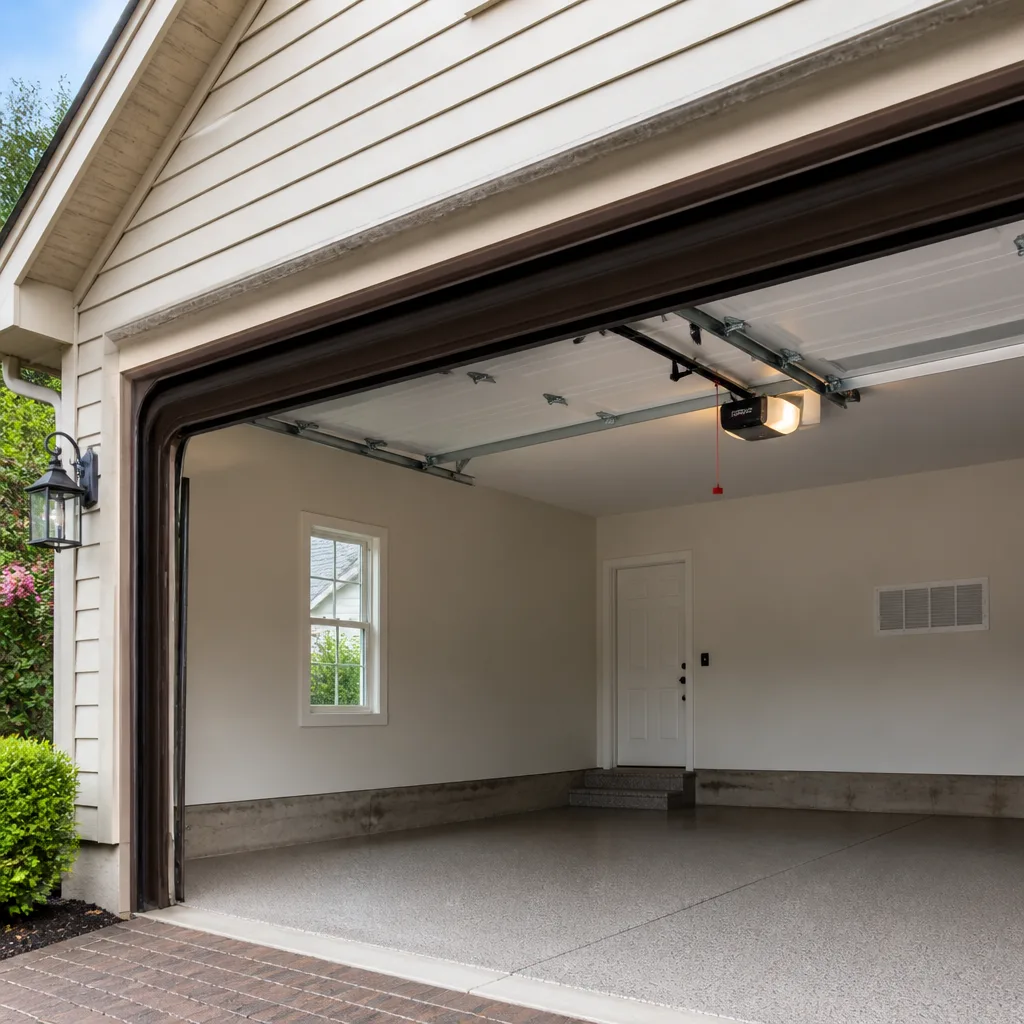 LiftMaster openers
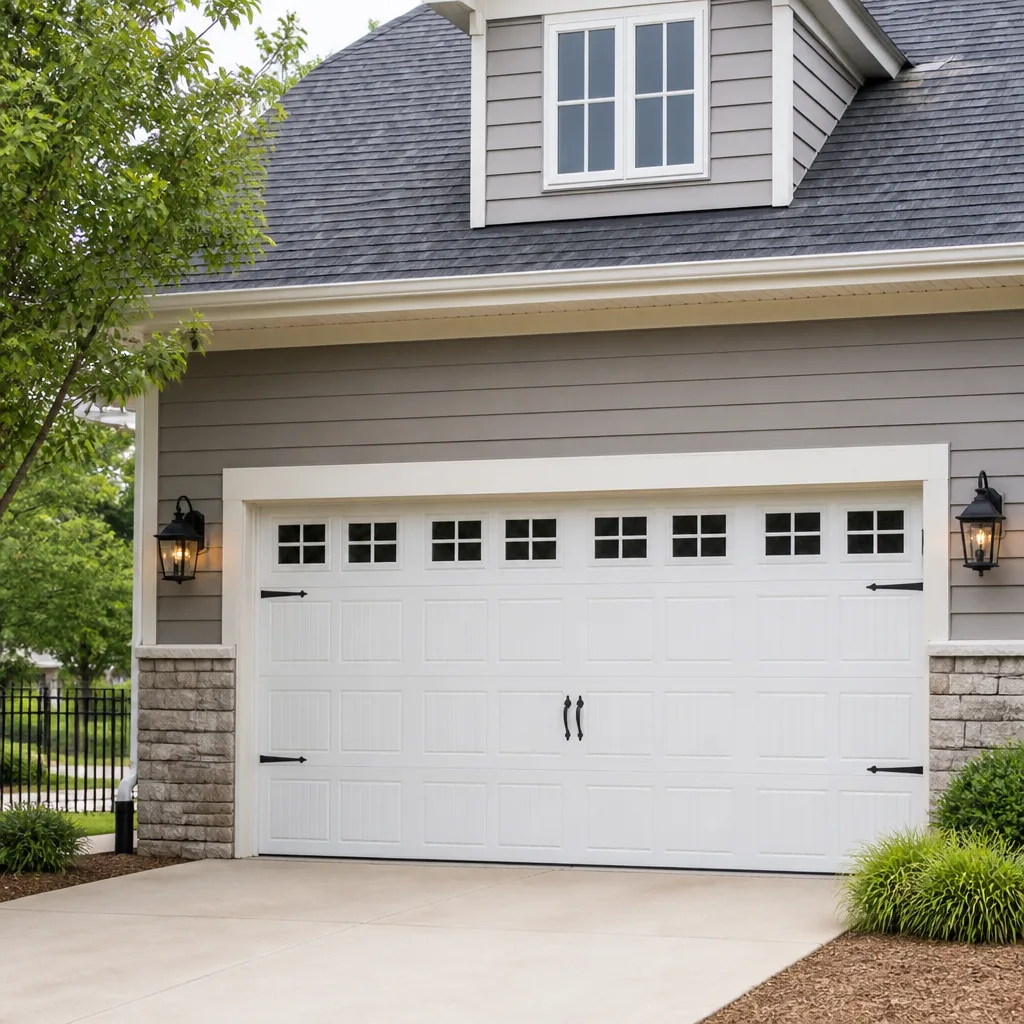 Chamberlain openers
Full 25-point door and opener safety check with every visit - springs, cables, rollers, tracks, and your LiftMaster or Chamberlain opener included
You get a price before we start. It does not change when the pro arrives.
Get your free estimateDIY vs Professional Garage Door: The Weston Homeowner’s Decision Guide
Replacing a torsion spring yourself in Weston isn’t only dangerous. If the door is over a certain weight and you make the change without a permit, your homeowner’s insurance may have grounds to deny a liability claim if that door later injures someone. Most homeowners frame this decision as a skill question: am I handy enough to handle it? That’s the wrong frame. Garage doors sit at the intersection of mechanical force, Florida Building Code, and HOA rules, and those three things draw hard lines around what you can legally and safely do yourself in Weston. This guide draws those lines precisely. We’ll cover the tasks that are genuinely safe, the ones that aren’t, when a permit changes your liability, and where DIY actually saves money versus where it quietly costs more.
Quick Answer
Some garage door work is safe for homeowners in Weston: lubricating hardware, replacing weather seals, reprogramming remotes, and cleaning safety sensors. Torsion spring replacement, cable replacement, track realignment on a heavy door, and any replacement requiring a permit are not DIY tasks. They involve stored mechanical force and Florida Building Code obligations that put both your safety and your insurance coverage at risk. For anything beyond routine maintenance, a licensed professional is the correct call, and estimates are free.
Styles & brands we work with
- Raised-panel steel
- Carriage house
- Modern flush
- Full-view glass
- LiftMaster openers
- Chamberlain openers
Table of Contents
- What Garage Door Tasks Are Safe to DIY in Weston?
- What Garage Door Repairs Are Off-Limits for DIY in Florida?
- How Do Weston Permits and Florida Building Code Change the DIY Calculation?
- Does DIY Actually Save Money? The Real Cost Math
- How Do Weston HOA Rules Affect Your DIY Plans?
- Why Torsion Springs Are a Safety Issue, Not Just a Repair
- Can You DIY Opener and Sensor Work?
- A Step-by-Step Way to Decide
What Garage Door Tasks Are Safe to DIY in Weston?
Routine maintenance is genuinely within reach for most homeowners, and doing it protects the door. The tasks below need no permit, no special tools beyond a socket set and a lubricant, and they lower the odds that you’ll be calling anyone for a repair. If you keep up with these, your door lasts longer, runs quieter, and fails less often. In our experience, a door that gets lubricated twice a year and has its sensors wiped down is a door that rarely surprises its owner.
These are the jobs you can do yourself safely:
- Lubricate the hardware. Apply a garage-door-specific lubricant to the hinges, rollers, and bearing plates. Avoid heavy grease, which collects grit. Do it twice a year, and always on the rollers and hinges rather than the track itself.
- Wipe down the tracks. Use a damp cloth to clear dust and debris from the vertical and horizontal tracks. Don’t lubricate the track; it’s meant to stay clean and dry so the rollers glide.
- Replace the bottom weather seal. A cracked bottom seal lets in water, insects, and hot air. The seal slides into an aluminum retainer, and swapping it is a straightforward pull-and-slide job on most doors.
- Reprogram remotes and keypads. If you’ve got a LiftMaster or a Craftsman opener, reprogramming a remote is a matter of pressing the learn button and following the manual. No tools required.
- Clean and align the safety sensors. The two sensors near the floor beam an invisible line across the opening. Wipe the lenses, and if the door won’t close, check that they’re facing each other and the indicator lights are solid, not blinking.
- Test the auto-reverse. Place a roll of paper towels under the door and close it. The door should reverse on contact. If it doesn’t, that’s a service call, not a DIY fix.
- Tighten visible bolts. A socket wrench on the hinge and bracket bolts keeps the door from rattling and wearing unevenly.
Notably absent from that list: anything involving the springs, cables, or the torsion shaft. Those components store enough energy to injure or kill, and they’re covered in the next section. The distinction matters because homeowners often lump routine upkeep and mechanical repair into the same “DIY” bucket, and that’s where trouble starts.
What Garage Door Repairs Are Off-Limits for DIY in Florida?
Four categories of garage door work should never be DIY in Florida. Torsion spring replacement, cable replacement, track realignment on a door over 100 pounds, and anything that requires a permit. Each involves either stored mechanical force or a code obligation, and each carries real consequences when handled wrong. The line isn’t about how handy you are. It’s about physics and law.
Here’s why each one is off the table:
- Torsion spring replacement. A torsion spring is wound under enormous tension to counterbalance the door’s weight. Releasing that tension incorrectly can cause the spring, tools, or shaft to whip with enough force to break bones. This is the single most dangerous garage door repair, and it’s why spring work is treated as a specialty rather than a maintenance task.
- Cable replacement. The lift cables carry the door’s full weight and are under tension from the springs. A cable that snaps or slips free during a DIY attempt can slice through a hand or arm. Cables are replaced only after the springs are properly de-tensioned by someone who knows the sequence.
- Track realignment on a heavy door. A misaligned track on a door over 100 pounds means the full weight of the door is riding wrong. Straightening a track while the door is under spring tension risks the door dropping or binding violently. This is a two-person job with proper bracing, and it isn’t a homeowner task.
- Anything requiring a permit. New door installation and certain structural or electrical changes fall under Florida Building Code and Weston’s local permit requirements. Doing that work without a permit exposes you to code violations, failed inspections, and insurance complications.
The theme across all four: the springs and cables hold the door’s weight, and that stored energy doesn’t care whether you’ve watched a video. When a spring breaks, the door becomes dangerously heavy, and the repair starts with safely releasing tension, not with removing bolts. That’s the part professionals are trained for. If you’ve got a broken spring or a slack cable, this is the moment to stop and make the call rather than reach for a wrench.
How Do Weston Permits and Florida Building Code Change the DIY Calculation?
Unpermitted garage door replacement in Weston is a legal liability, not just a safety risk. Florida Building Code governs how a garage door must be anchored, how it resists wind and impact loads, and how it’s attached to the framing. Weston’s building department requires a permit for replacement work that touches the structural attachment, and skipping it means your new door may not pass inspection, may complicate a future home sale, and may leave your insurer with grounds to question a claim.
Here’s what a permitted replacement involves, in general terms:
- Confirm the requirement with the city. Most cities require a permit for a full door replacement, so ask Weston’s building department directly before you buy anything. The rule can vary by door type and whether the opening is being modified.
- Use a licensed installer. Permit applications for this kind of work typically require a licensed contractor. A homeowner generally can’t pull the permit and self-install a full replacement door under the same terms.
- Schedule the inspection. After installation, an inspector verifies the anchoring, the door’s rated wind and impact performance, and the attachment to the wall. A door that fails inspection has to be corrected.
- Keep the paperwork. The permit and inspection record belong with your home’s documents. When you sell, buyers and their inspectors ask for them.
The insurance angle deserves a plain statement. If you perform unpermitted structural work on your garage door and that door later injures someone or fails during a storm, your insurer may have grounds to deny a liability claim because the work wasn’t permitted or inspected. That’s not a scare tactic. It follows from how policies treat unpermitted alterations. The cost of a permit and a licensed installation is small next to the exposure of an uninsured liability claim, which is why we always tell Weston homeowners to check with the building department first.
For anything involving the mechanics rather than the structure, the permit question usually doesn’t apply, but the safety question does. Spring and cable work falls outside the permit world and squarely into the domain of trained technicians.
Does DIY Actually Save Money? The Real Cost Math
DIY saves money only when the job is simple and you complete it correctly. Lubrication, seals, remotes, and sensor cleaning cost you a few dollars in materials and an hour of time, and those are real savings. But when a botched DIY repair turns into a professional call, the total bill often rises well beyond what the repair would have cost in the first place. Homeowners frequently underestimate the second cost: the damage an incorrect fix does to the door and its hardware before a professional ever arrives.
Where the math breaks down:
- Spring work. A homeowner who tries to replace a torsion spring and gets the tension wrong can damage the torsion tube, the center bearing plate, or the cables. What was a spring job turns into a spring-and-cable-and-hardware job.
- Track work. Forcing a bent track back into place can bend it further or pull it loose from the framing. Now the track, brackets, and possibly the door panels are involved.
- Opener work. Misdiagnosing an opener problem and swapping the wrong part wastes the part cost and adds a diagnostic visit. The opener may have been fine and the real fault in the sensors or the door’s balance.
- Fastener and bracket mistakes. Over-tightening or using the wrong bolt can strip the hinge mounts, which then need to be repaired before the door can be made safe.
When a repair has already been attempted and undone, the professional’s time goes up before any new parts are added. That’s the mechanism behind the common pattern where a botched fix ends up costing noticeably more than the original repair would have. The written estimate from a professional reflects the actual condition of the door, and the price is quoted and agreed before any work starts, so you’re never guessing at the number. If you’ve already made an attempt and something feels off, stop and get it looked at before the damage compounds.
How Do Weston HOA Rules Affect Your DIY Plans?
Many Weston communities are governed by HOAs, and those rules reach further than homeowners expect. Even cosmetic changes can trigger a written approval requirement. Painting the door a color that isn’t on the community’s approved palette, swapping to a different door style, adding decorative hardware, or installing windows in the door can all fall under architectural review. Homeowners who handle these changes themselves often skip the approval step, and that’s where the risk sits.
What to do before any visible change:
- Read the architectural guidelines. Your HOA’s rules spell out approved door styles, colors, and hardware. If you don’t have the document, request it from the board or management company.
- Submit an architectural request. Most HOAs require a written request with the door’s specifications, color, and sometimes a photo or product sheet. Approval usually comes back in writing.
- Get the approval in writing. Verbal approval from a board member doesn’t protect you. Keep the written response with your home records.
- Match the door to the code and the HOA at once. A door that satisfies the HOA but not the building code, or vice versa, creates a rework problem. Settle both before ordering.
None of this is about whether you can physically install a door. It’s about whether you’re allowed to. HOA rules and building code are two separate gates, and a DIY replacement has to clear both. When a new door is installed professionally, the installer typically provides the specifications the HOA needs and manages the permit side, which takes a lot of the back-and-forth off your plate.
Why Torsion Springs Are a Safety Issue, Not Just a Repair
A garage door spring is a stored-energy device. It’s wound under enough tension to counterbalance a door that can weigh well over a hundred pounds, and that tension stays in the spring whether the door is open or closed. When a spring breaks, the door becomes dangerously heavy and can slam down without warning. That’s why spring work is a safety issue rather than a routine repair, and why we treat it as its own specialty.
The reason DIY spring replacement goes wrong so often comes down to sequence. The tension has to be released in a controlled way using the right winding bars, the new spring has to be matched to the door’s weight and height, and the winding process itself has to be done in precise increments. Get the sequence wrong and the spring, the winding bar, or the shaft can move with sudden force. The injury risk isn’t theoretical.
What to do when a spring breaks:
- Stop using the door. Don’t try to force it open or closed. An unbalanced door with a broken spring puts strain on the opener and can drop.
- Keep people and vehicles clear. If the door is stuck open or partially open, keep the area underneath clear until a technician arrives.
- Don’t attempt a visual fix. Poking at the spring or trying to unwind it is where injuries happen.
- Call for spring repair. A trained technician releases the remaining tension safely, matches the new spring to the door, and rebalances it.
Every spring replacement is measured and quoted before the work begins. A single spring is priced on its own, and because springs are usually replaced in matched pairs so the door stays balanced, a pair is priced accordingly. We walk through the exact number with you first, so there’s no surprise when the invoice arrives. For a door that’s failed on a spring, the door isn’t usable until it’s fixed, and the right move is to get it looked at rather than to test your luck with a winding bar.
Can You DIY Opener and Sensor Work?
Some opener tasks are safe for homeowners and some aren’t. Resetting a remote, cleaning the sensors, and checking the safety reverse are within reach. Diagnosing why a LiftMaster or Chamberlain opener won’t respond, replacing a logic board, or adjusting the travel limits and force settings are not. Opener repair involves the control board, the motor, and the safety system, and a wrong setting can defeat the safety reverse, which is the feature that protects anyone standing under the door.
The line between DIY and professional on openers:
- Safe DIY: replacing remote batteries, reprogramming a remote or keypad, wiping the sensors, and testing the auto-reverse with a cardboard box or paper towel roll.
- Not DIY: opening the motor housing, replacing a gear or sprocket, adjusting force or travel limits without the manual in hand, or rewiring a wall control.
- Call instead: an opener that runs but won’t lift the door (often balance or spring related), a door that reverses for no apparent reason, or a wall control that’s gone dead.
One common trap: a homeowner replaces an opener when the real problem is the door’s balance or a tired spring. The new opener then works harder than it should, wears out faster, and the underlying issue is still there. A technician diagnosing the whole door rather than just the motor confirms the actual cause before any part is swapped.
If the opener is a smart-home model and the app is the problem, start with the manual and the sensor check before assuming the unit is failing. Many “broken” openers are sensor or programming issues. If those checks don’t sort it, this is a repair job, and the estimate comes before any work.
A Step-by-Step Way to Decide
Use this sequence to sort any garage door job into DIY or professional. It takes two minutes and replaces guesswork with a clear answer.
- Name the symptom. Broken spring, slack cable, door off-track, opener not responding, remote not working, door won’t close, seal damaged, noisy door.
- Check the four off-limits categories. Springs, cables, track realignment on a heavy door, or anything requiring a permit. If it’s one of those, it’s professional work.
- Check the maintenance list. Lubrication, seals, remotes, sensor cleaning, and tightening bolts are DIY.
- Ask whether the door is balanced and safe. Disconnect the opener and lift the door by hand to about waist height. It should stay put. If it drops or won’t hold, stop and call.
- Check HOA and permit requirements for any replacement or visible change before ordering parts or paint.
- Get a written estimate for anything you’ve decided against DIY. The price is quoted and agreed before the work starts.
Running this sequence once tells you where you stand. If the job lands in the professional column, the estimate is the next step, and it’s free.
Common Mistakes to Avoid
- Treating a broken spring as a remove-and-replace job. A garage door spring has to be de-tensioned, matched to the door, and wound in sequence. Skipping that process is how injuries happen and how a single spring job turns into a spring, cable, and hardware job.
- Skipping the permit on a full replacement. Unpermitted structural work on a garage door in Weston can complicate an inspection, a future sale, and a liability claim. Confirm with the building department before you buy the door.
- Painting or restyling the door without HOA approval. Even a color change can fall under architectural review. Get written approval first so you’re not repainting or replacing at your own cost.
- Over-lubricating the tracks. The track should be clean and dry. Grease attracts grit and causes the rollers to bind, which is the opposite of what you want.
- Replacing the opener when the door is out of balance. A door that’s heavy or binding will wear out a new opener too. Diagnose the door first, then the motor.
- Tightening safety sensors or brackets with force. The sensor brackets are meant to be adjusted gently. Over-tightening bends them and knocks the beam out of alignment.
- Ignoring a door that reverses for no reason. That’s a safety issue, not a nuisance. If cleaning the sensors doesn’t fix it, get it checked.
See the difference
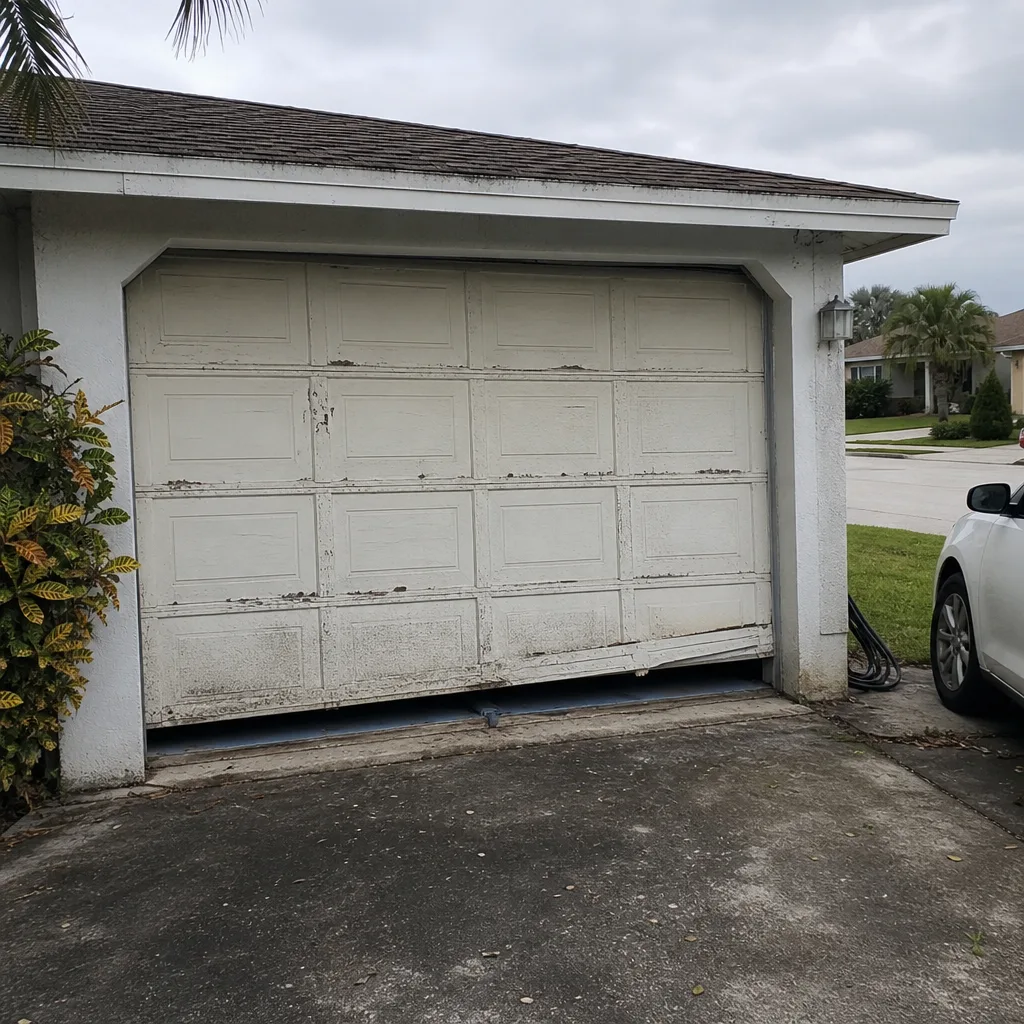 Before
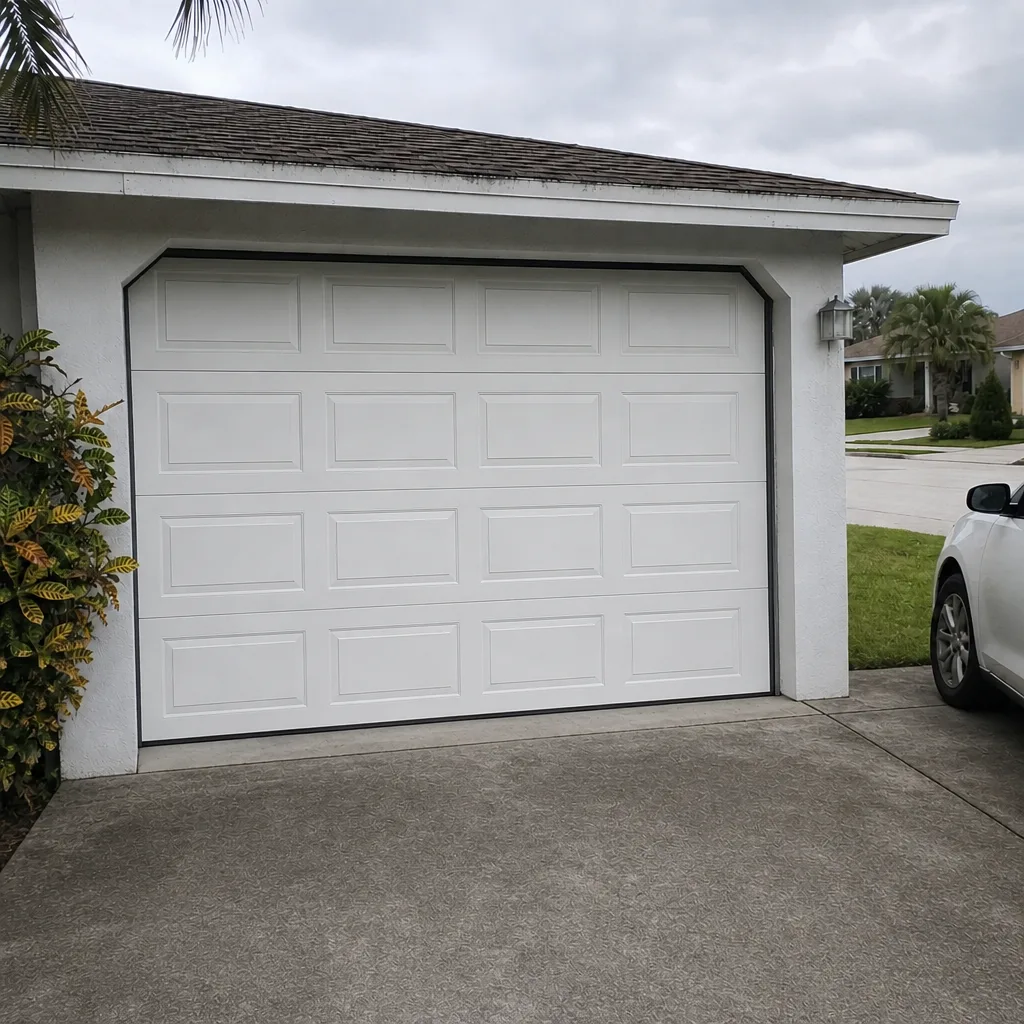 After
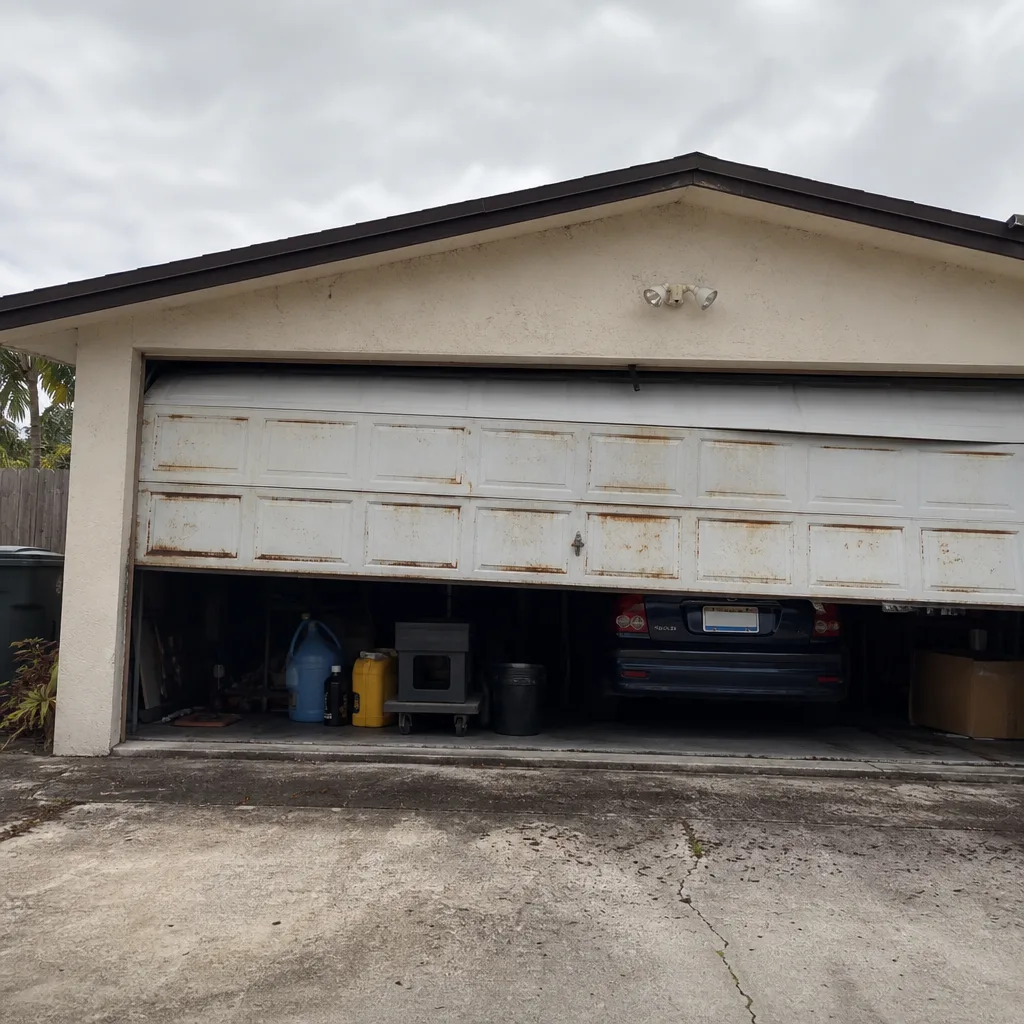 Before
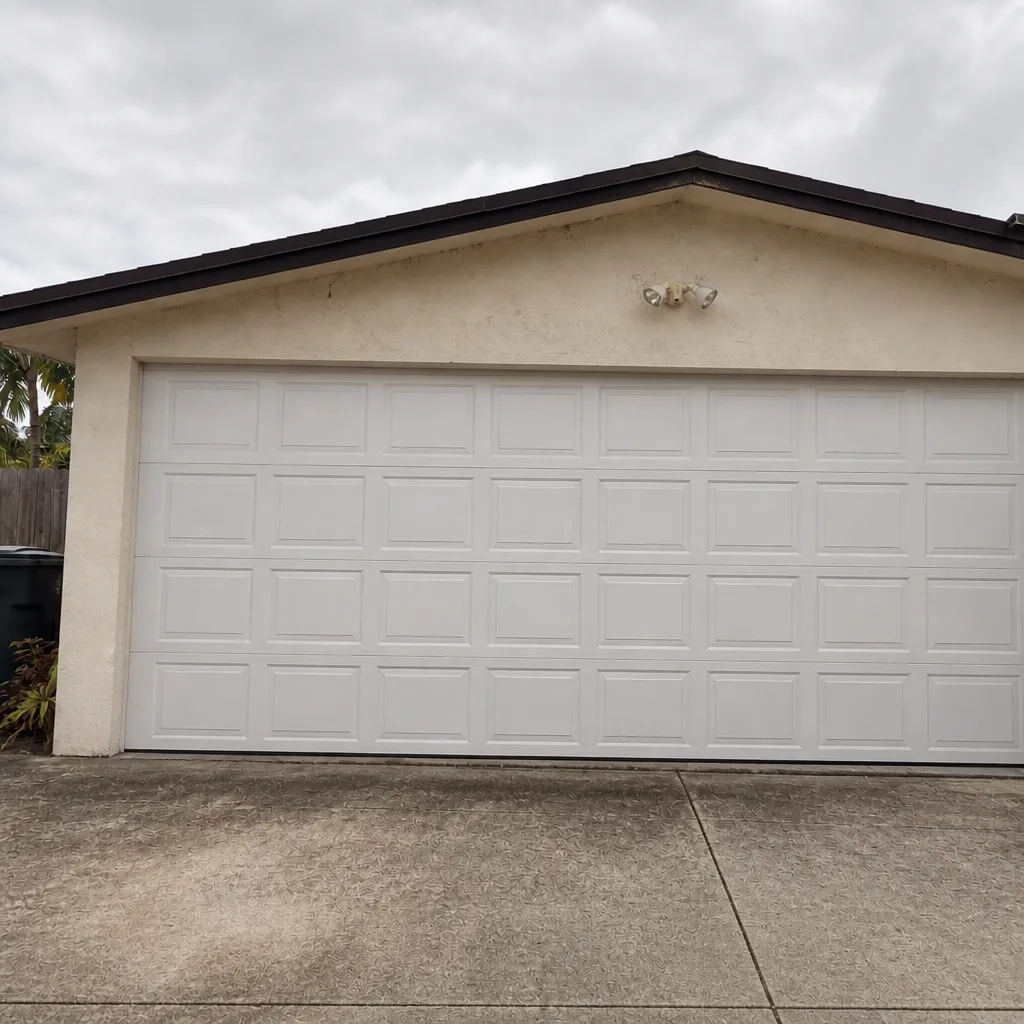 After
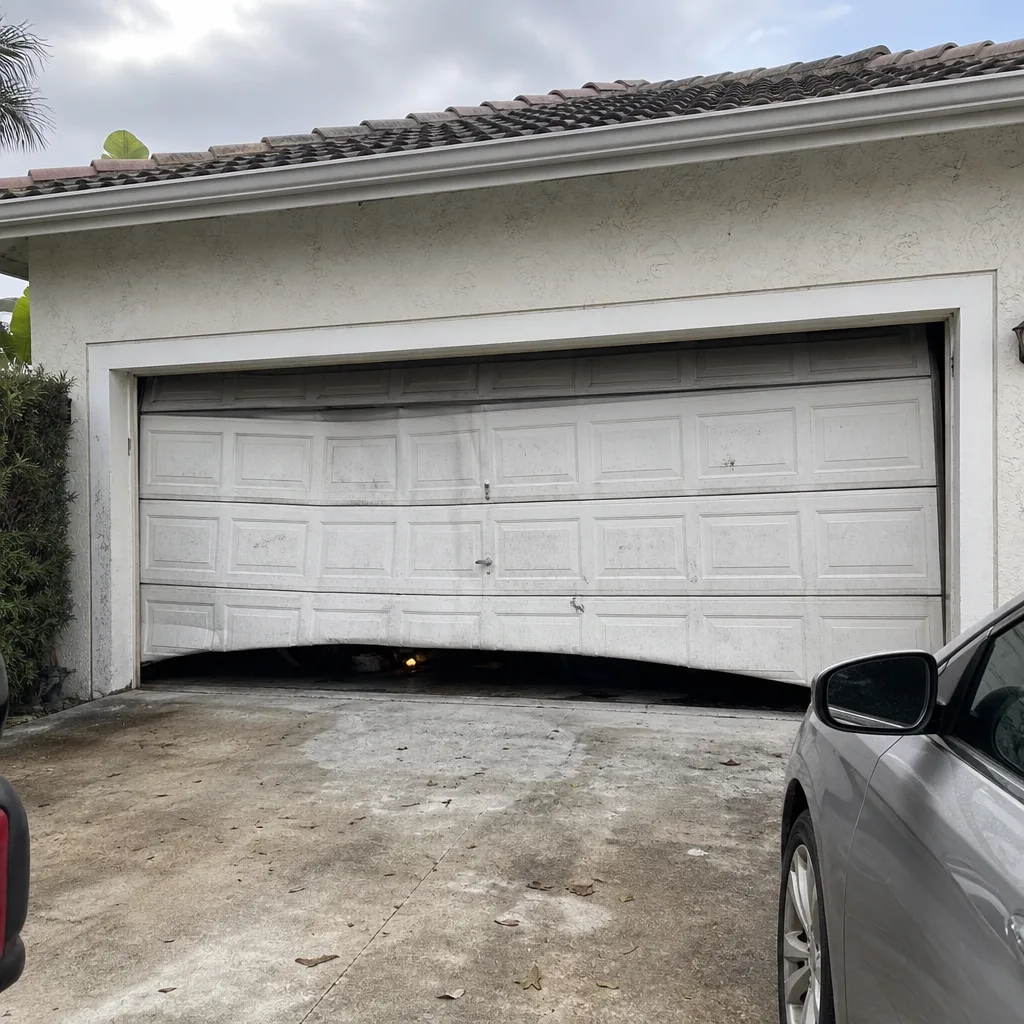 Before
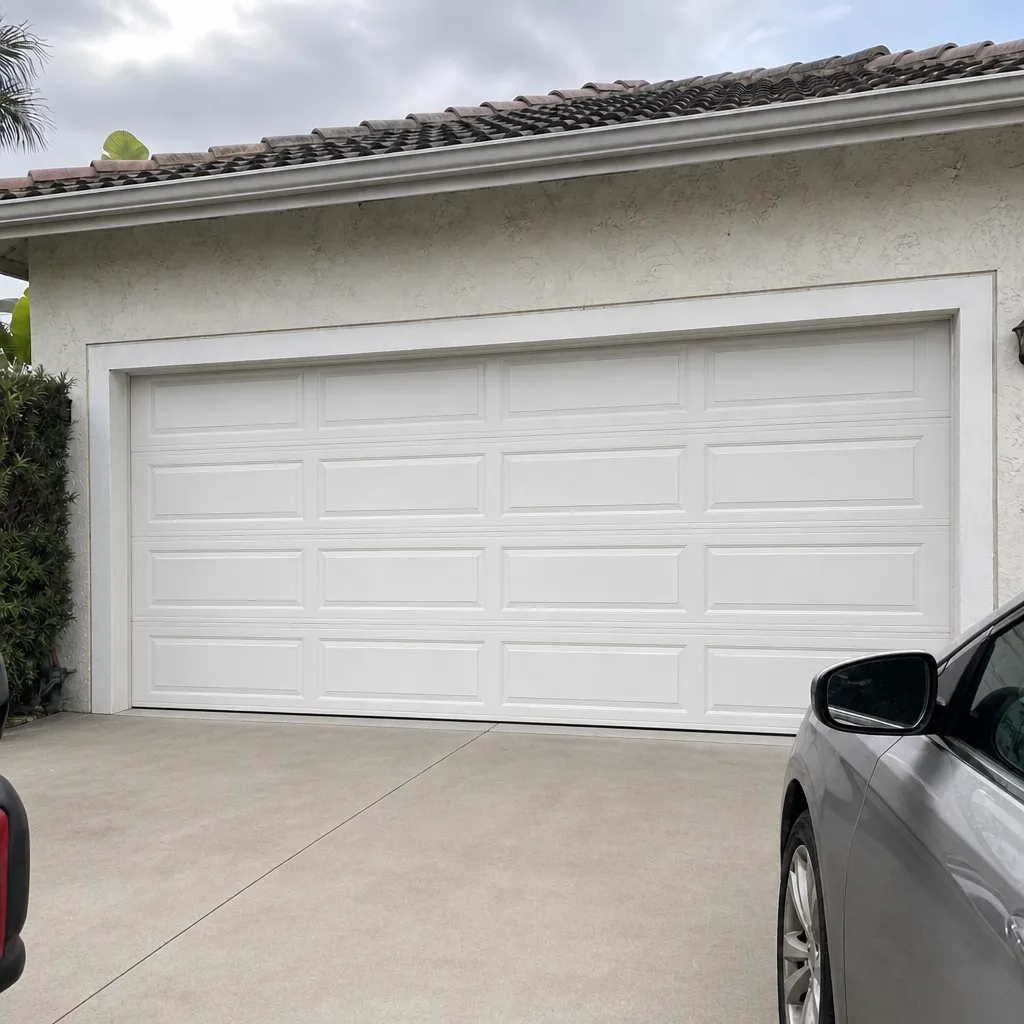 After
When to Call a Professional
Call a professional when the work involves a spring, a cable, a track on a heavy door, or a permit. Call when the door won’t hold itself open, when an opener runs but doesn’t lift the door, when a sensor problem won’t clear after cleaning, or when the door reverses unpredictably. Call before ordering a new door if your HOA or the city needs to approve the specification. And call if a DIY attempt has already happened and the door doesn’t feel right.
For routine maintenance, you’ve got a clear path to do it yourself. For everything on the off-limits list, the expertise matters. Our technicians have up to 15 years of experience and are familiar with the major residential brands, so we’re not guessing at parts or settings. Weston Garage Door Repair Pros offers free estimates in Weston. Call (833) 847-7527 and the price is quoted and agreed before any work starts.
Frequently Asked Questions
No. Torsion spring replacement is the most dangerous garage door repair and should be left to a trained technician. The spring stores enough energy to cause serious injury, and doing it wrong can also damage the torsion tube, cables, and brackets. Call (833) 847-7527 for a spring repair estimate; estimates are free.
Most garage door replacements require a permit, so check with Weston’s building department before you buy. Florida Building Code governs how the door must be anchored and attached, and an inspection verifies the work. Unpermitted replacement can create problems at sale and with insurance. A licensed installer handles the permit and inspection process, and the estimate is free before any of that begins.
You can lubricate the hardware, clean the tracks, replace the bottom weather seal, reprogram remotes and keypads, clean and align the safety sensors, test the auto-reverse, and tighten visible bolts. Those tasks need no permit and no special tools, and they keep the door running smoothly. Springs, cables, and track realignment on a heavy door are not DIY, and if the door won’t hold itself open by hand, stop and call.
It saves money only when the job is simple and done correctly. Lubrication, seals, remotes, and sensor cleaning are genuine savings. But a botched attempt on springs, tracks, or an opener often makes the professional repair cost more than it would have, because the damage has to be undone first. Call (833) 847-7527 for a written estimate; the price is quoted before any work starts.
Your HOA may approve it, but only if you submit an architectural request and get the approval in writing first. Even cosmetic changes like painting the door or adding hardware can fall under the community’s rules. Verbal approval from a board member isn’t sufficient. Match the door to both the HOA guidelines and the building code before ordering anything.
In many cases, yes. Emergency and same-day repair are standing capabilities, and we respond to doors that won’t open or won’t close. We can work with LiftMaster and Chamberlain openers, along with Genie and Craftsman, and we handle spring repair and cable work as dedicated services. For an exact scope, call (833) 847-7527; an estimate comes before any work begins.
The Bottom Line
The DIY versus professional question for garage doors in Weston isn’t really about skill. It’s about recognizing four hard limits: torsion springs, cables, heavy-door track work, and anything requiring a permit. Those are professional territory. The rest, meaning lubrication, seals, remotes, sensors, and tightening bolts, is safe to do yourself, and doing it keeps your door reliable. The tasks in between, like opener diagnostics and balance problems, are worth a call rather than a guess.
If your work lands in the professional column, get a written estimate before any work starts, confirm the permit and HOA requirements, and confirm the spring price for a single spring or a pair so the number matches the job. That’s the whole framework. If the door needs work beyond what you’re comfortable with, we can connect you with a vetted local professional. For more on the specific services we cover, see our Weston Garage Door Repair Pros page, and explore garage door repair, garage door opener repair, and garage door spring repair for the repair side of the work.
Call Weston Garage Door Repair Pros at (833) 847-7527 for a free estimate. We’ll quote the price and agree it with you before any work starts.
Written by the team at Weston Garage Door Repair Pros.