Last updated November 21, 2026
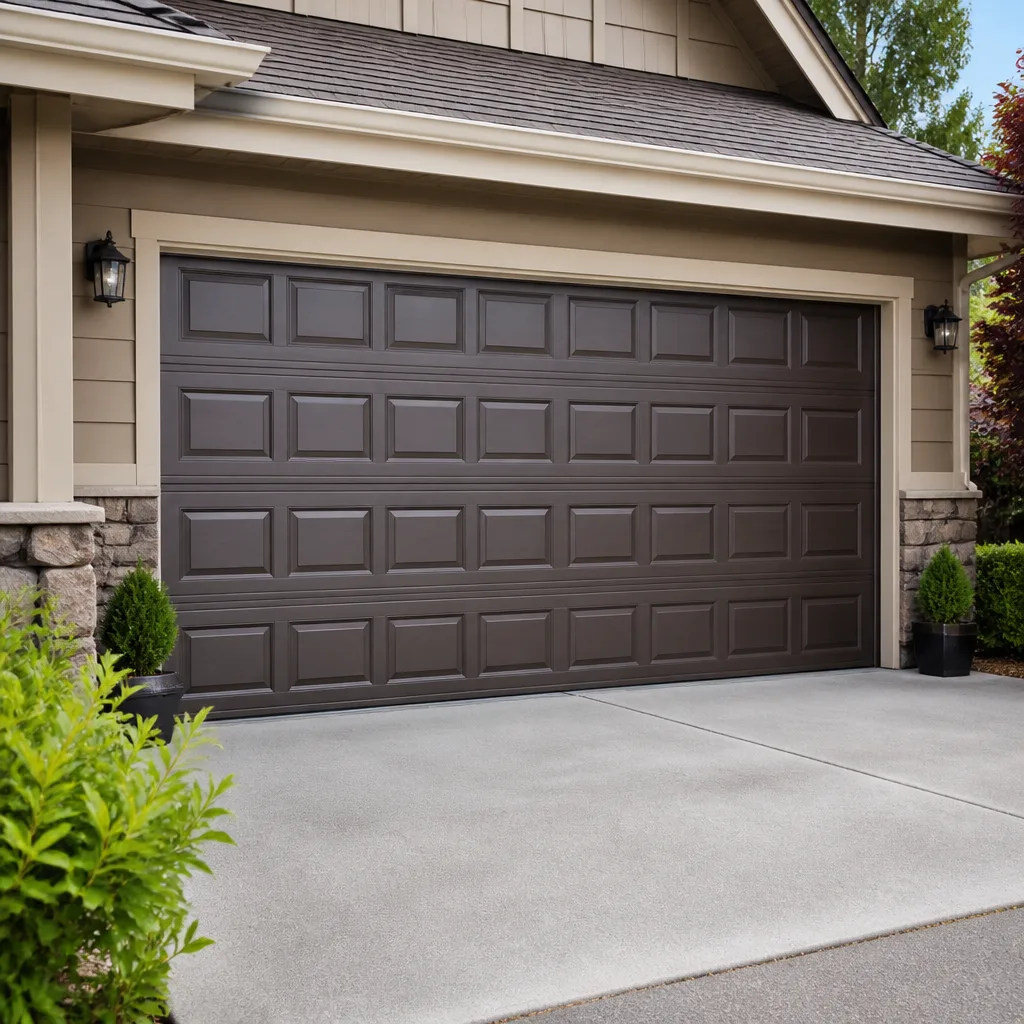 Raised-panel steel
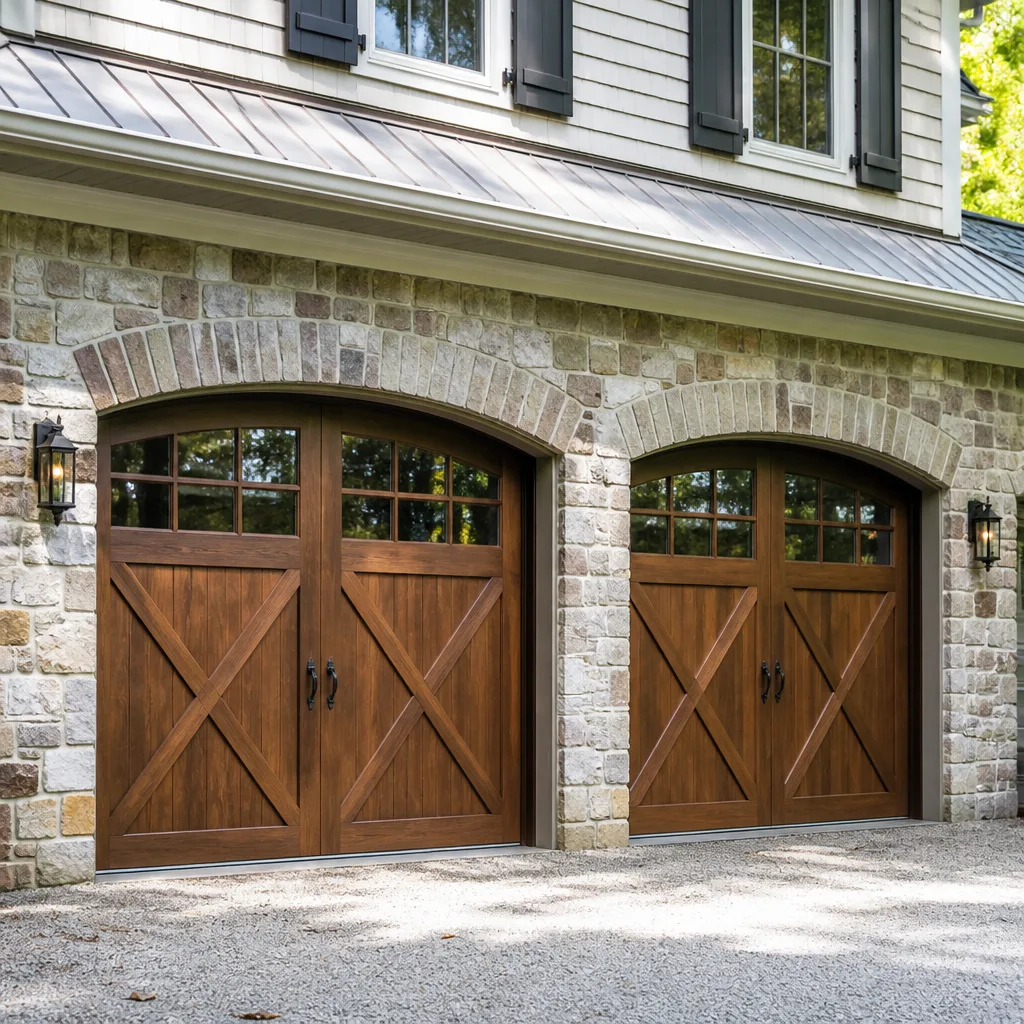 Carriage house
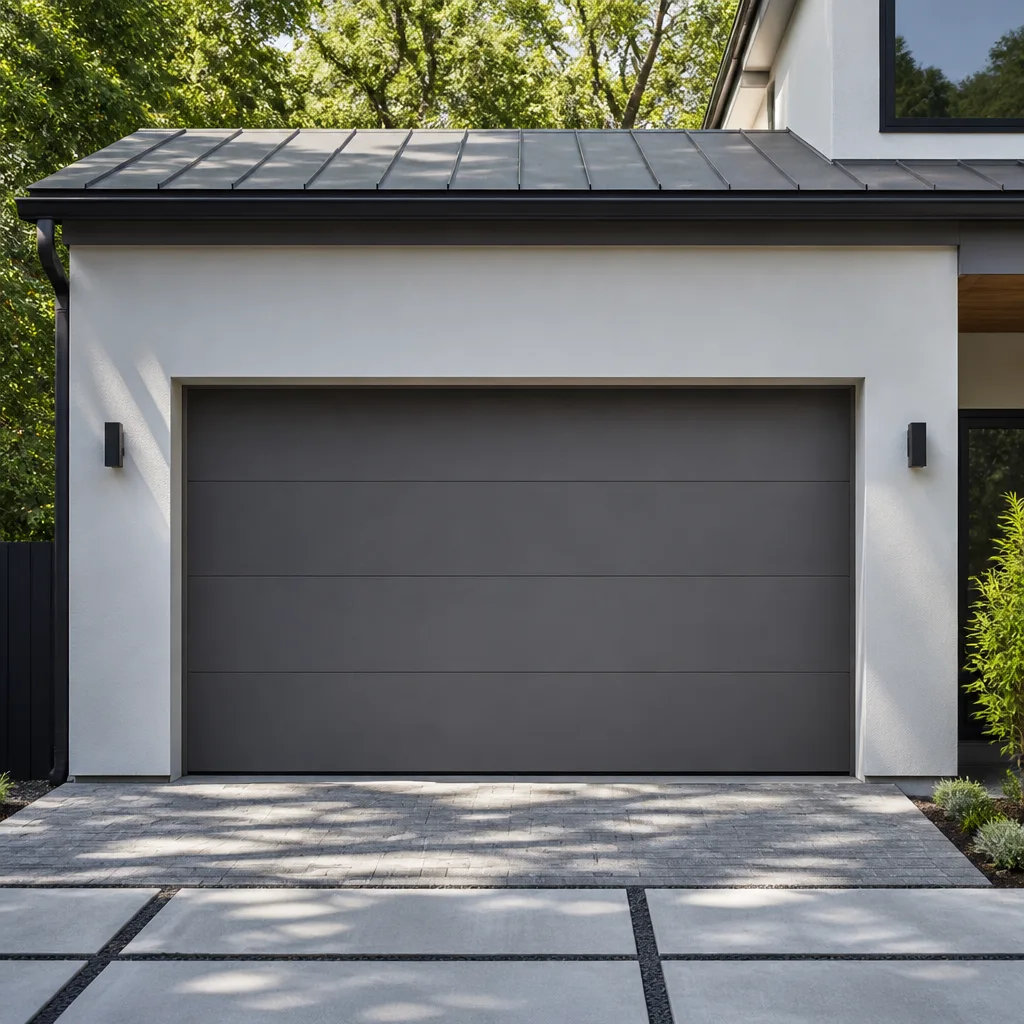 Modern flush
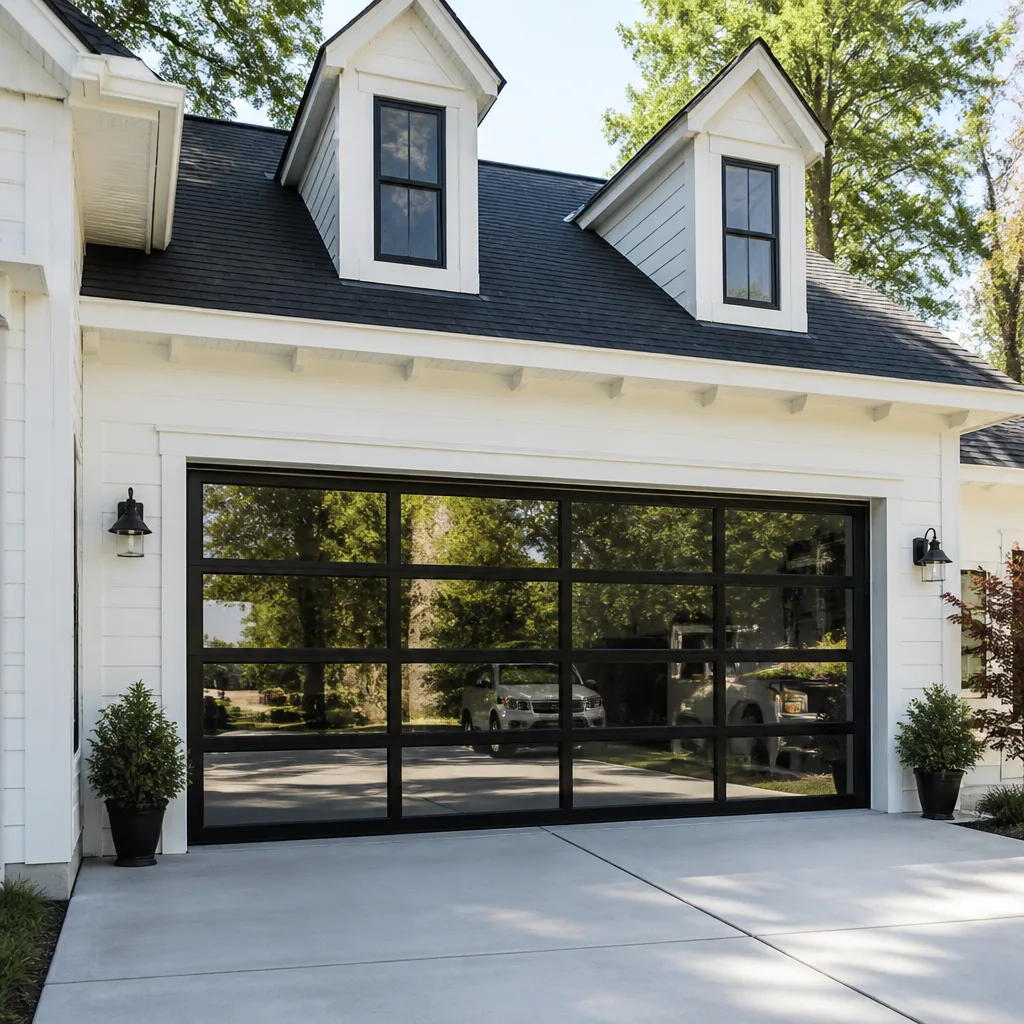 Full-view glass
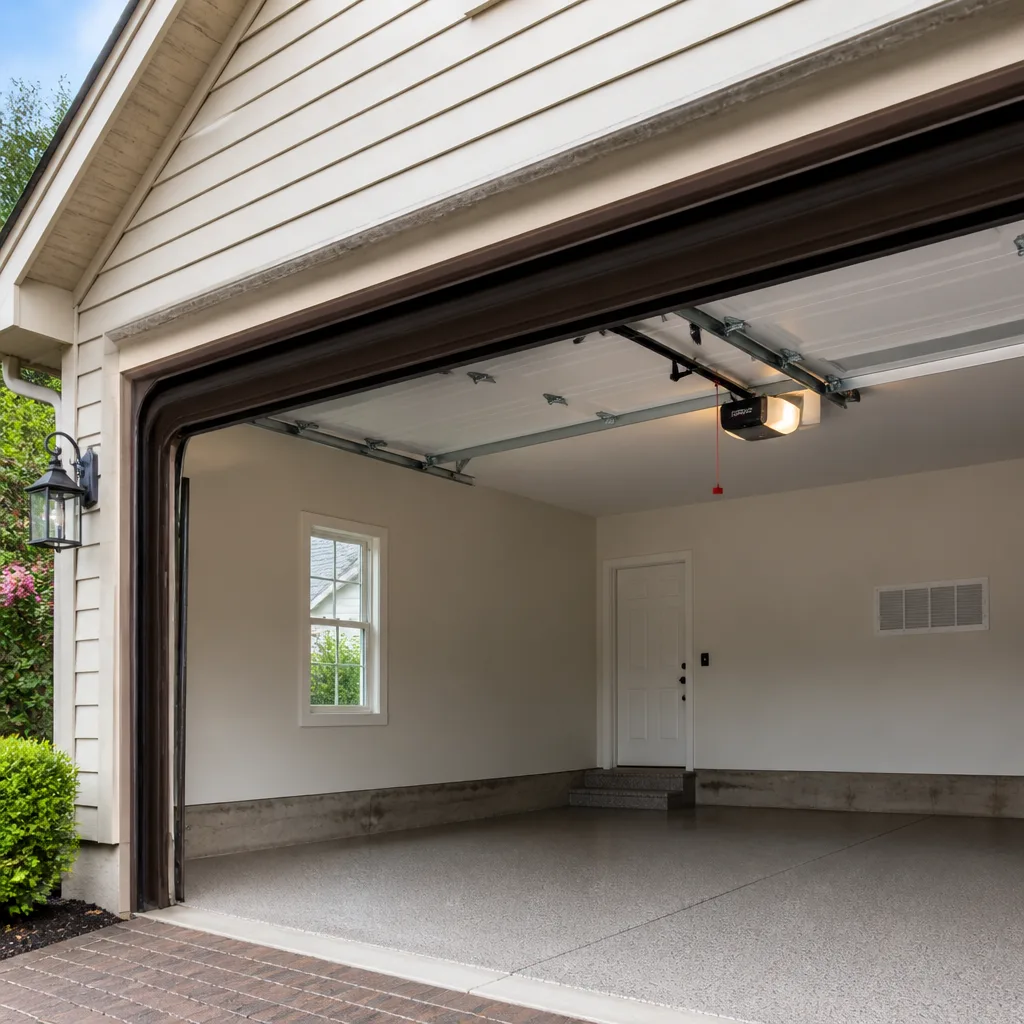 LiftMaster openers
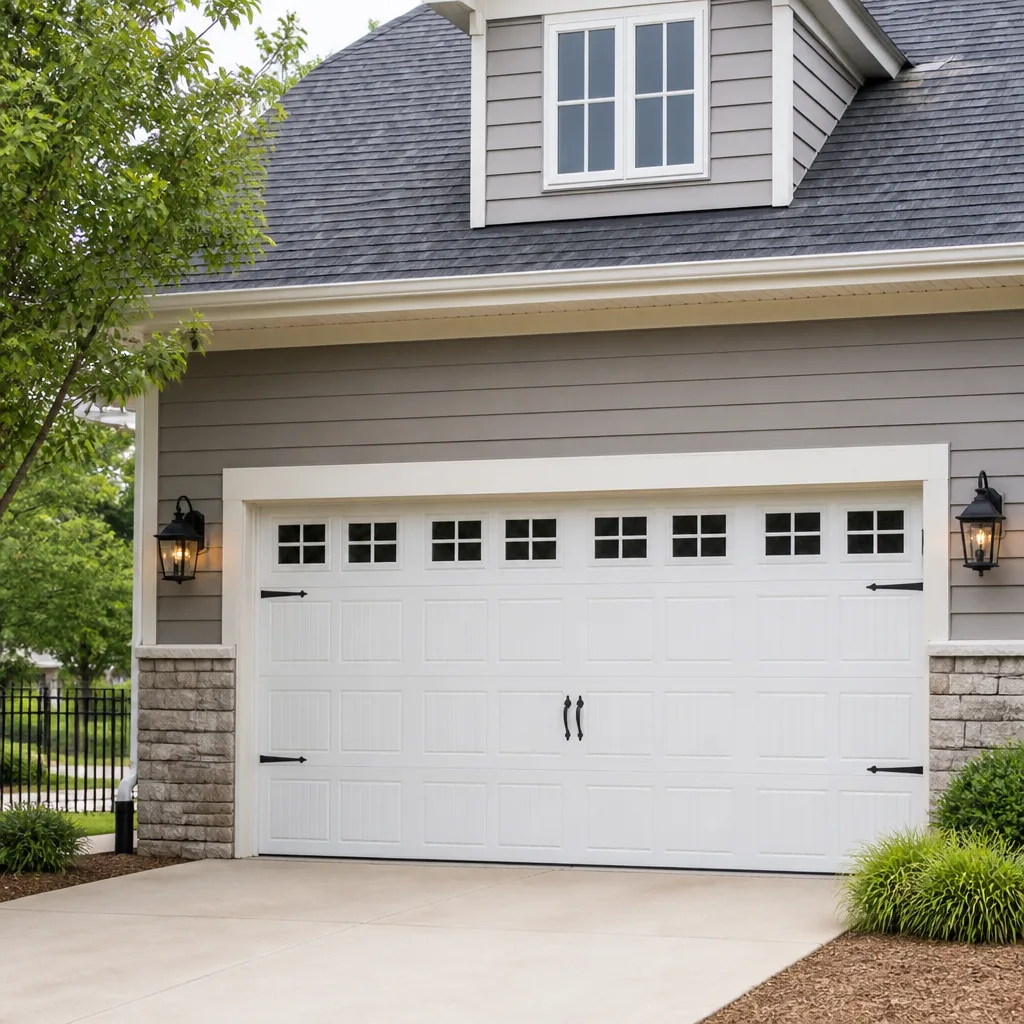 Chamberlain openers
Full 25-point door and opener safety check with every visit - springs, cables, rollers, tracks, and your LiftMaster or Chamberlain opener included
You get a price before we start. It does not change when the pro arrives.
Get your free estimateSeasonal Garage Door Care for Weston: Year-Round Homeowner’s Guide
Most garage door maintenance calendars you’ll find online assume four seasons: a cold winter, a muddy spring, a hot summer, a leaf-blowing fall. Weston doesn’t work that way. We live in a two-season climate – a dry season that runs roughly December through March and a wet, storm-driven season that dominates the rest of the year. Each one stresses your door in a completely different way, and the tasks that keep a door running in Ohio aren’t the ones that matter here. What follows is a Weston-specific calendar: what to check, when to check it, and why the timing matters. By the end you’ll know exactly how your door should be treated through a South Florida year, and which jobs are safe for you to handle versus which belong to a technician.
Styles & brands we work with
- Raised-panel steel
- Carriage house
- Modern flush
- Full-view glass
- LiftMaster openers
- Chamberlain openers
Quick Answer
Garage door care in Weston follows two seasons, not four. Before June 1, verify wind-load hardware, the manual release, and weather seals so the door is ready for hurricane season; during storm season, focus on pre-storm securing and post-storm inspection; in the dry season (December through March), schedule non-emergency service like spring and opener tune-ups. Year-round, manage UV and humidity, which wear down seals, paint, and hardware faster than temperature swings do.
Table of Contents
- Why Weston Has Two Seasons, Not Four
- Pre-Storm Season (April-May): The Hardware Checks That Matter Most
- Active Storm Season (June-November): The 72-Hour Plan
- Post-Storm Inspection: Before You Assume Everything’s Fine
- Dry Season (December-March): The Best Time for Scheduled Work
- UV and Humidity: What Breaks Down Fastest on a Weston Door
- A Simple Monthly Walk-Around Routine
- Common Mistakes to Avoid
- When to Call a Professional
- Frequently Asked Questions
Why Weston Has Two Seasons, Not Four
The national maintenance guides are written for a climate with a hard freeze. That freeze is what drives most of their advice – winterizing seals, clearing snow from the base of the door, watching for ice on the tracks. None of that applies here. What we have instead is a long stretch of heat, humidity, and storm risk, followed by a short, mild dry season that’s genuinely pleasant to work in.
That changes the maintenance priority list. In a cold climate, temperature extremes are the main enemy of your door’s moving parts. In Weston, the enemies are different: ultraviolet light that breaks down rubber and paint, humidity that works on steel and lubricant, wind-driven rain that finds every gap around the frame, and the annual threat of a major storm event that can physically stress the entire assembly.
Here’s the practical takeaway. If you follow a northern maintenance calendar in Weston, you’ll spend time on jobs that don’t matter and skip the ones that do. A door that’s perfectly winterized can still fail in a hurricane because nobody checked the wind-load hardware. And a door that survived a storm intact can still quietly wear out its opener because the humidity worked on the control board all summer.
- Dry season (December-March): cooler, drier, the ideal window for scheduled repairs and replacements.
- Storm season (June-November): peak heat, peak humidity, peak wind risk. Priority is readiness and rapid response.
- The shoulder months (April-May): the prep window. This is when pre-season checks should be finished, not started.
Notice where the deadline falls. By the time June arrives, your door should already be verified for the season ahead – not being inspected for the first time.
This is the framework the rest of this guide is built on. Every task below maps to one of these windows, and getting the timing right does more for your door than any single repair. If you need hands-on help at any point, our Weston Garage Door Repair Pros team works on the eight major brands found in most Weston homes, including Wayne Dalton, Raynor, Craftsman, and LiftMaster, so diagnosis and repair stay with one crew from start to finish.
Pre-Storm Season (April-May): The Hardware Checks That Matter Most
Wind-load hardware is the collection of anchors, brackets, hinges, and reinforcement that holds your door and its tracks together under load. Most homeowners never look at it, which is exactly the problem. A door that operates fine on a calm day can fail under a 140 mph wind event purely because a bracket loosened over the previous year and nobody noticed.
Here’s what to verify before June, ideally during April or May:
- Anchor bolts and brackets. Look at where the vertical tracks attach to the wall. Any bracket that’s loose, rusted through, or pulling away from the mounting surface is a wind-resistance weak point. Don’t tighten a bolt that’s spinning in stripped material – that means the anchor itself has failed.
- Hinges and rollers. Worn hinges and flat-spotted rollers create play in the door panels. In a wind event, that play lets panels flex and rack out of alignment. If a hinge moves more than it should, it needs replacement, not lubrication.
- Manual release. Test the pull cord or handle that disengages the door from the opener. It should operate smoothly with the door closed. If it’s stuck or the cord is frayed, you won’t be able to open the door by hand when the power is out – which is precisely when you’ll need to.
- Weather seals and bottom astragal. The bottom seal and the perimeter seals keep wind-driven rain out. A cracked or hardened seal lets water reach the door’s interior hardware and the wall framing around it. Run your hand along the bottom seal; it should feel pliable, not brittle.
- Balance and travel. With the door disconnected from the opener, lift it halfway and let go. A properly balanced door stays put. One that slams down or drifts up is telling you the springs or cables are out of adjustment, and that’s a job for a technician.
That last point matters for safety. The springs, cables, and the torsion assembly at the top of the door are under extreme tension, and they can cause serious injury if handled incorrectly. A trained professional has the tools and the know-how to work on them safely. We treat spring work as its own specialty for exactly this reason, and our garage door spring repair service is built around doing it correctly the first time. If a spring looks stretched, rusted, or has visible gaps in the coil, don’t touch it – get it looked at.
If any of these checks turn up a problem, it’s best handled before storm season, not during it. A closed door under wind load is only as strong as its weakest bracket.
Active Storm Season (June-November): The 72-Hour Plan
When a named storm is forecast to affect Weston, the window to prepare your garage door closes fast – roughly 72 hours out is when you should have a plan settled. Waiting until the day before means you’re competing with everyone else for technician time, and you may not get a visit at all.
Use this sequence when a storm is on the way:
- Confirm the door is fully closed and latched. A door left even slightly open becomes a pressure entry point. Make sure the opener has fully engaged and the door is seated against the floor.
- Disconnect the opener and secure manually if power is at risk. If you expect an outage, know how to use the manual release. Once the door is disconnected, lower it fully and engage any manual lock or slide bolt if your door has one. Don’t leave the door relying on the opener to hold it closed when the power could fail.
- Clear the tracks and floor. Wind-blown debris can jam a track. Sweep the floor and check that nothing is sitting in the door’s path.
- Check the seals one more time. A quick look at the bottom and perimeter seals before the storm tells you whether wind-driven rain is likely to get in.
- Move anything stored against the door. Boxes, bins, or shelving pressed against the inside of the door can interfere with its operation and become projectiles if the door is breached.
If your door is damaged during the storm – a bent track, a panel pushed in, an opener that won’t respond afterward – that’s the kind of situation our emergency service is built for. Emergency response is a standing part of what we do, not a seasonal extra. A door that won’t close is a security and safety problem, and it shouldn’t wait for normal scheduling.
One thing we’d stress: don’t try to force a damaged door open or closed during or right after a storm. A door that’s out of its tracks, or one with a compromised spring, can drop or swing unexpectedly. Get it assessed before you operate it. Our garage door repair service covers the full range of storm-related fixes, from track realignment to panel and hardware replacement.
Post-Storm Inspection: Before You Assume Everything’s Fine
A near-miss is not the same as no damage. Plenty of Weston doors come through a storm looking intact but running differently afterward – a little louder, a little slower, or slightly off-center. Those small changes are the early signs of track damage, hinge wear, or opener stress that will compound if ignored.
After any significant storm, work through this assessment before you go back to normal use:
- Run the door and watch it. Does it travel smoothly, or does it hesitate, jerk, or stop partway? Any change in how it moves is worth investigating.
- Look at the tracks. Stand back and check that the vertical and horizontal tracks are straight and parallel. Even a slight bend from wind pressure or debris impact will cause the rollers to bind.
- Check door alignment. The gap between the door and the floor should be even across the width. A door that’s visibly crooked or has an uneven gap at the bottom has likely shifted.
- Test the opener. If it won’t respond, or responds erratically, the control board or safety sensors may have taken on moisture. If your opener is a LiftMaster or Chamberlain model, that’s a system we know well and can troubleshoot quickly. Our garage door opener repair service covers those brands plus Genie and Craftsman, which account for most of the units in Weston homes.
- Check the seals and the bottom astragal. Wind-driven rain and debris can tear a seal. Replacing a seal is straightforward; leaving it torn lets water into the frame.
If you find something off, don’t run the door repeatedly “to see if it settles.” A misaligned door puts stress on the opener and the springs every time it cycles, and that can turn a small fix into a larger repair.
Dry Season (December-March): The Best Time for Scheduled Work
December through March is the window to get ahead. The weather is milder, storm risk is lower, and the door isn’t under daily siege from heat and humidity. If you’ve been putting off a tune-up, a spring replacement, or a full door upgrade, this is the season to book it.
Cooler temperatures do change how a door behaves, and it’s worth understanding why. Garage door springs are steel, and steel responds to temperature. On a cool morning, a spring that’s near the end of its life may feel different than it did in July – sometimes the door feels a little heavier or a little slower to start. That’s not a reason to panic, but it is a reason to have the springs checked during the dry season, when a replacement is a scheduled job rather than a scramble.
Opener sensitivity is the other thing to watch. Modern openers use force settings and travel limits to know when to stop and reverse. Cold can affect how those feel, and if the sensitivity is set too tight, the door may reverse on its own for no obvious reason. A quick adjustment usually fixes it. We see more of these “mystery reversals” in the cooler months than at any other time of year.
Why schedule now rather than later? The dry season gives you room to plan. You can get a written estimate, compare options, and pick a time that works – rather than calling in July because the door failed in the middle of storm season and needing the first available slot. It also means the work is done before the next round of heat and humidity begins to work on the new parts.
This is also the best season to think about a full replacement if your door is nearing the end of its life. A new door is measured, ordered, and scheduled, so it’s not a same-day job by nature. Getting that process going in the dry season means the new door is installed and settled well before storm season returns. If you’re considering Wayne Dalton, Amarr, Clopay, or Raynor for a replacement, those are brands we carry the full installation know-how for.
UV and Humidity: What Breaks Down Fastest on a Weston Door
If you had to name the two biggest wear factors on a garage door in Weston, it wouldn’t be temperature. It would be ultraviolet light and humidity, and they attack the door year-round.
UV light degrades anything rubber, plastic, or painted. On a garage door, that means the bottom seal, the perimeter weatherstripping, the plastic components on the opener (like the safety sensor lenses and the wall control), and the finish on the door panels. A seal that’s been in the sun for a couple of years will crack and harden, and once it’s brittle it stops sealing. A painted steel door will chalk and fade as the UV works on the topcoat.
Humidity goes after the metal parts and the lubricant. Every hinge, roller, and track is a spot where moisture can settle and start the slow process of corrosion. Lubricant that isn’t reapplied will wash or evaporate away, leaving metal on metal.
What slows both down:
- Replace seals proactively, not reactively. If your bottom seal feels stiff or shows cracks, replace it before it fails. A pliable seal keeps out both water and pests.
- Keep a proper lubricant schedule. Hinges, rollers, and the torsion spring should be lubricated periodically. A garage door lubricant (not a general-purpose oil) is the right choice – it stays put longer in humidity.
- Keep the paint or finish intact. Touch up any chips or scratches in the door’s finish promptly. Bare metal is where corrosion starts.
- Watch the opener’s plastic parts. Sensor lenses that yellow and cloud can cause false safety-sensor trips. Wiping them down occasionally helps, but eventually they’ll need replacement.
This is where the specific product choice matters. A lubricant designed for garage door hardware, rather than household oil, holds up better in the humidity. A seal made from a quality material lasts longer in the sun than a cheap one. Those small choices make a real difference in a climate that works on the door every day.
A Simple Monthly Walk-Around Routine
You don’t need to think about the full seasonal calendar every month. But a five-minute walk-around once a month will catch most problems early. Here’s the routine we recommend to Weston homeowners:
- Open and close the door once, watching and listening. Note any new noise, hesitation, or wobble.
- Look at the tracks. Check for debris, bends, or anything loose.
- Check the seal along the bottom. Pliable is good; cracked or stiff means replace.
- Press the safety sensor test. Put an object in the door’s path and confirm it reverses.
- Look at the hinges and rollers. Any rust, wear, or looseness is worth a closer look.
Five minutes a month, plus the seasonal checks above, keeps a door in good shape for a long time. The jobs that turn into emergency calls are usually the ones nobody looked at until they failed.
Common Mistakes to Avoid
- Treating spring work as a do-it-yourself job. The torsion springs and cables are under enormous tension and can cause serious injury. Spring work belongs to a trained professional; a “quick fix” with the wrong tools is how people get hurt.
- Following a northern maintenance calendar. Winterizing seals and clearing ice don’t apply in Weston. Spending time on cold-weather tasks means skipping the pre-storm checks that do matter.
- Waiting until a storm is 24 hours out to check the door. By then, technicians are booked and the hardware check can’t be done properly. Start in April or May.
- Forcing a door that’s out of its tracks. Running a misaligned door stresses the opener and springs every time it cycles. Stop and get it assessed.
- Using household oil on the tracks and hinges. It attracts grit and doesn’t hold up in humidity. Use a garage door lubricant.
- Ignoring a “mystery reversal” in cool weather. An opener that reverses on its own usually needs a force-setting adjustment. Ignoring it means the door keeps cycling wrong.
- Skipping the manual release test. If the power fails during a storm and the release is stuck, you can’t open the door by hand. Test it before storm season, not during.
When to Call a Professional
Some jobs are fine for a homeowner with a few tools: replacing a bottom seal, wiping down sensor lenses, applying lubricant. Other jobs need a technician. Call us when:
- A spring is broken, stretched, or shows visible gaps – this is a safety issue, not just a repair.
- The door is out of its tracks, crooked, or won’t close fully.
- The opener reverses on its own, won’t respond, or behaves erratically.
- A storm has left the door running differently than before.
- You’re considering a full replacement and need a measurement and a written price.
- Your door is brand-new to you and you don’t know its service history.
Weston Garage Door Repair Pros offers free estimates in Weston – call (833) 847-7527. We work on the brands most Weston homes actually have, including LiftMaster, Chamberlain, Genie, Clopay, Amarr, Wayne Dalton, Craftsman, and Raynor, and one call covers repair, opener work, spring replacement, and installation.
Frequently Asked Questions
Start in April or May, and have everything verified by June 1. The wind-load hardware, manual release, and weather seals should already be checked before the season begins, not inspected for the first time when a storm is forecast. Call (833) 847-7527 to book a pre-season check.
No. Garage door springs and cables are under extreme tension and can cause serious injury if handled incorrectly. Spring repair belongs to a trained technician with the right tools. Call us for spring work – estimates are free.
Cooler temperatures can affect how the opener’s force settings feel, and an opener set too tight may reverse for no visible reason. A quick adjustment usually fixes it. Call (833) 847-7527 and we’ll check the settings and the safety sensors together.
Use the manual release to disconnect the door from the opener, lower it fully, and engage any manual lock or slide bolt if your door has one. Test the release before storm season so you know it works. If it’s stuck, call us to have it serviced.
No – a change in how the door moves is a sign of track damage, hinge wear, or opener stress that should be checked. Don’t keep running the door to see if it settles. Call (833) 847-7527 for an assessment.
The dry season, December through March, is the best window. The weather is milder, storm risk is lower, and there’s room to plan a written estimate and a convenient install date. Call (833) 847-7527 to schedule.
The Bottom Line
Weston doesn’t run on four seasons, and your garage door maintenance shouldn’t either. The year splits into two: a storm season that demands readiness by June 1, and a dry season that’s the right time for scheduled work. The wind-load hardware, manual release, and seals deserve a check every spring. UV and humidity need attention year-round – quality seals, proper lubrication, and prompt touch-ups keep the door’s wear parts alive longer. None of it is complicated. The key is timing. Get the pre-season checks done, keep up the monthly walk-around, and call us when a job crosses into spring, track, or opener territory. Call (833) 847-7527 for a free estimate.
Written by the team at Weston Garage Door Repair Pros.
See the difference
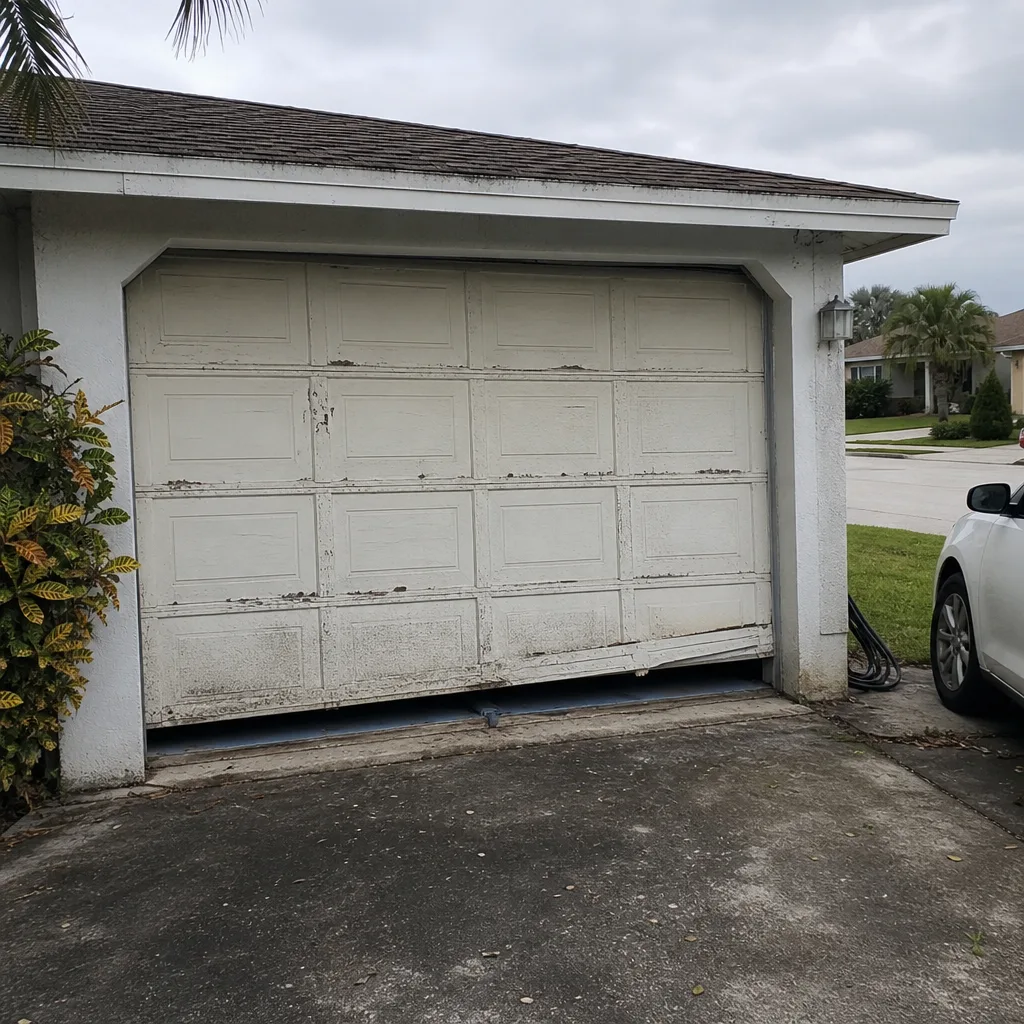 Before
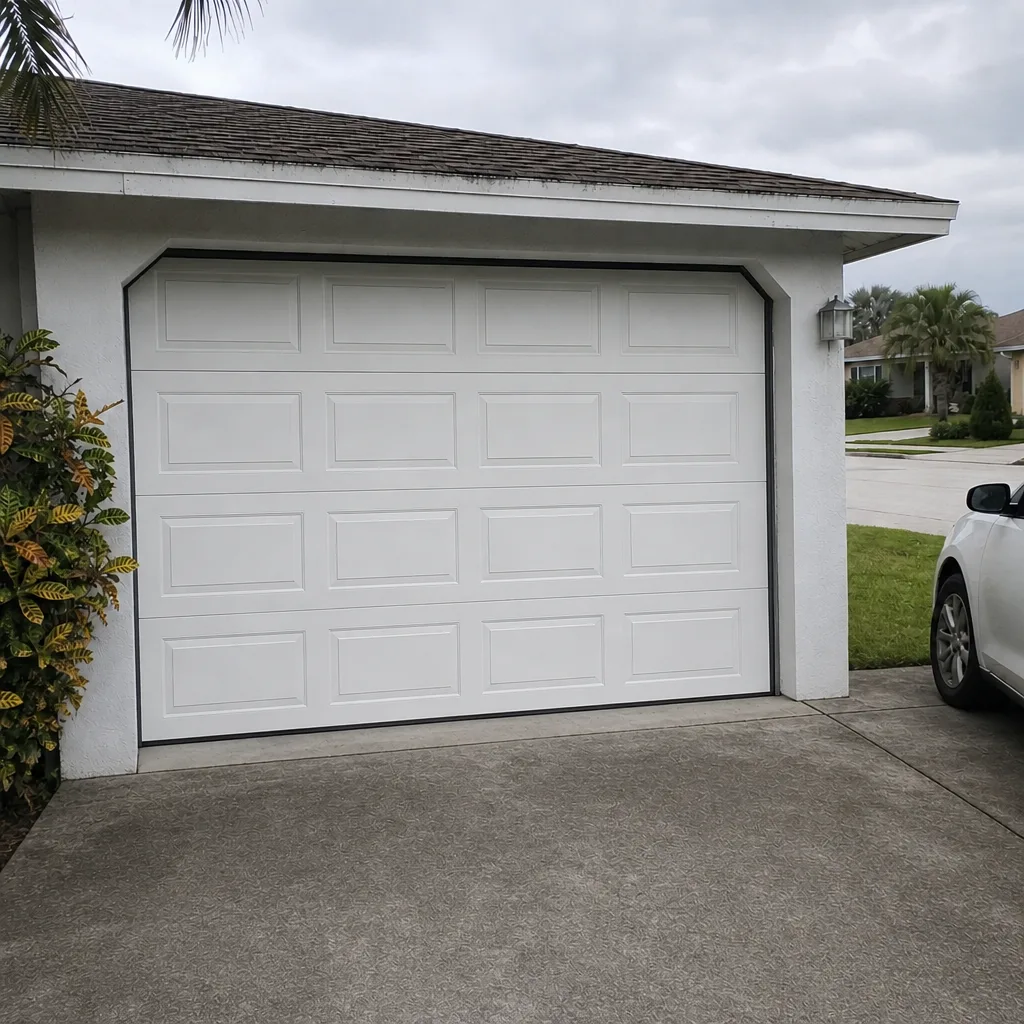 After
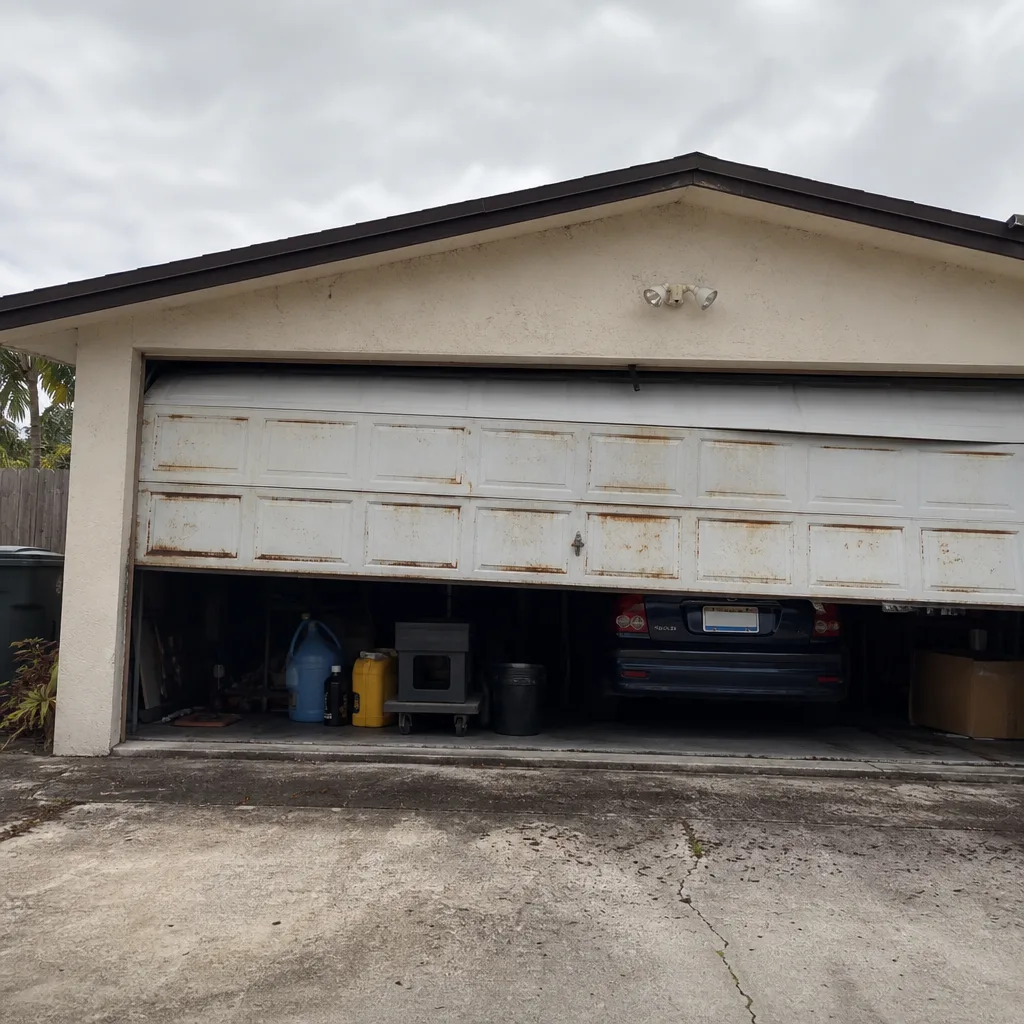 Before
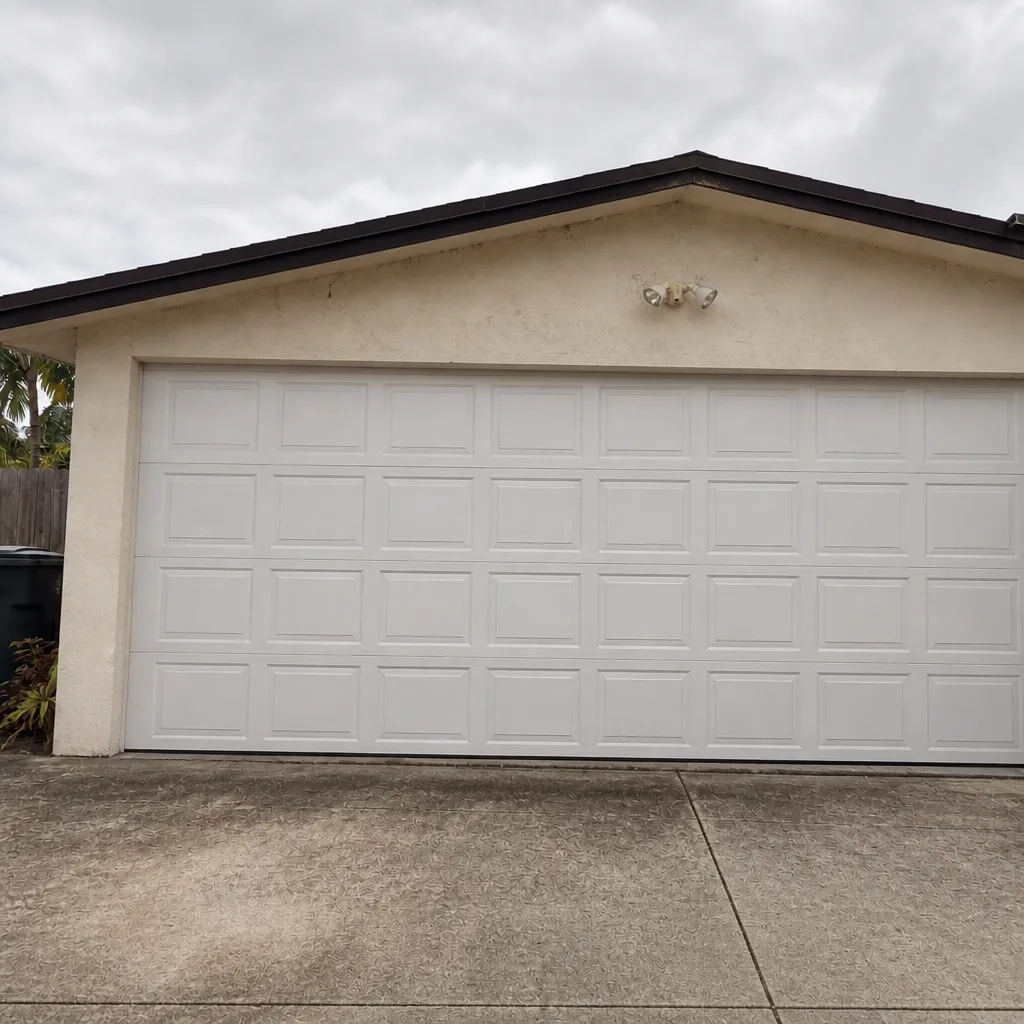 After
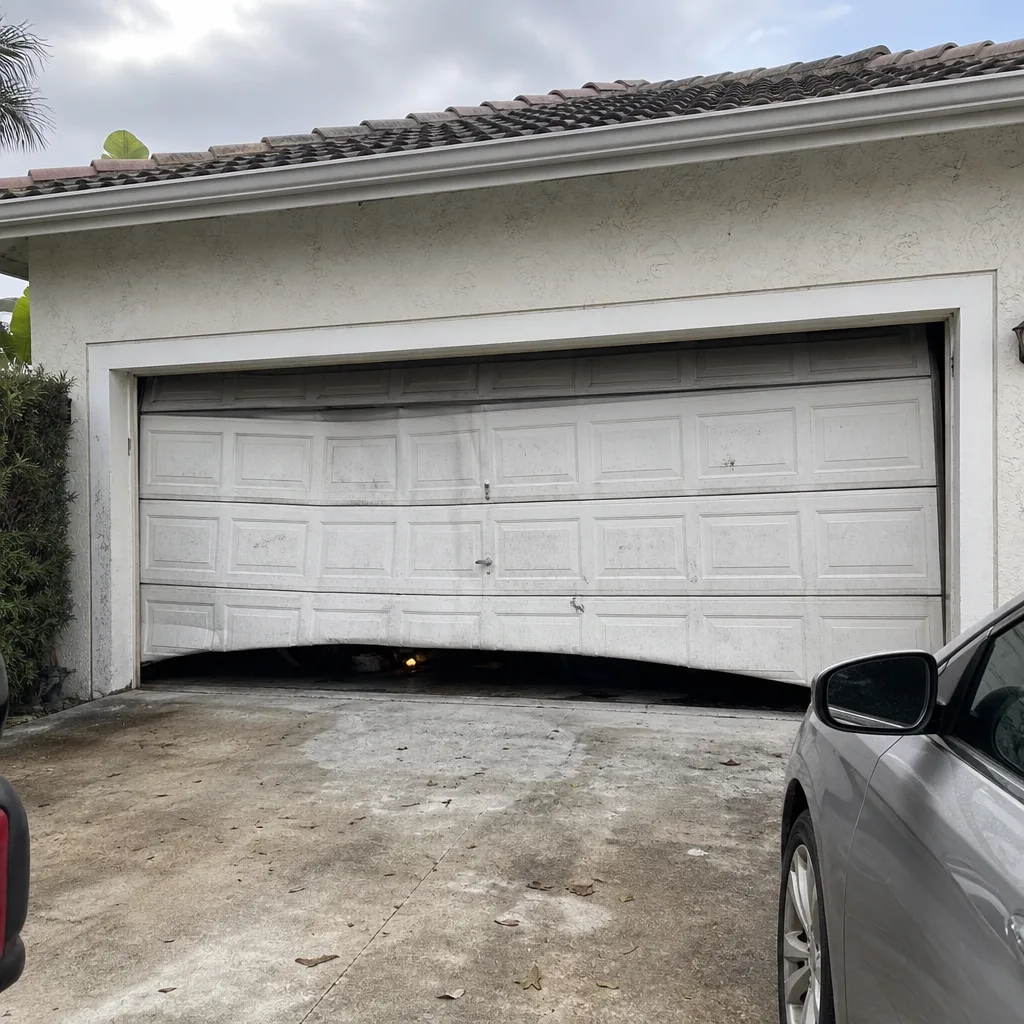 Before
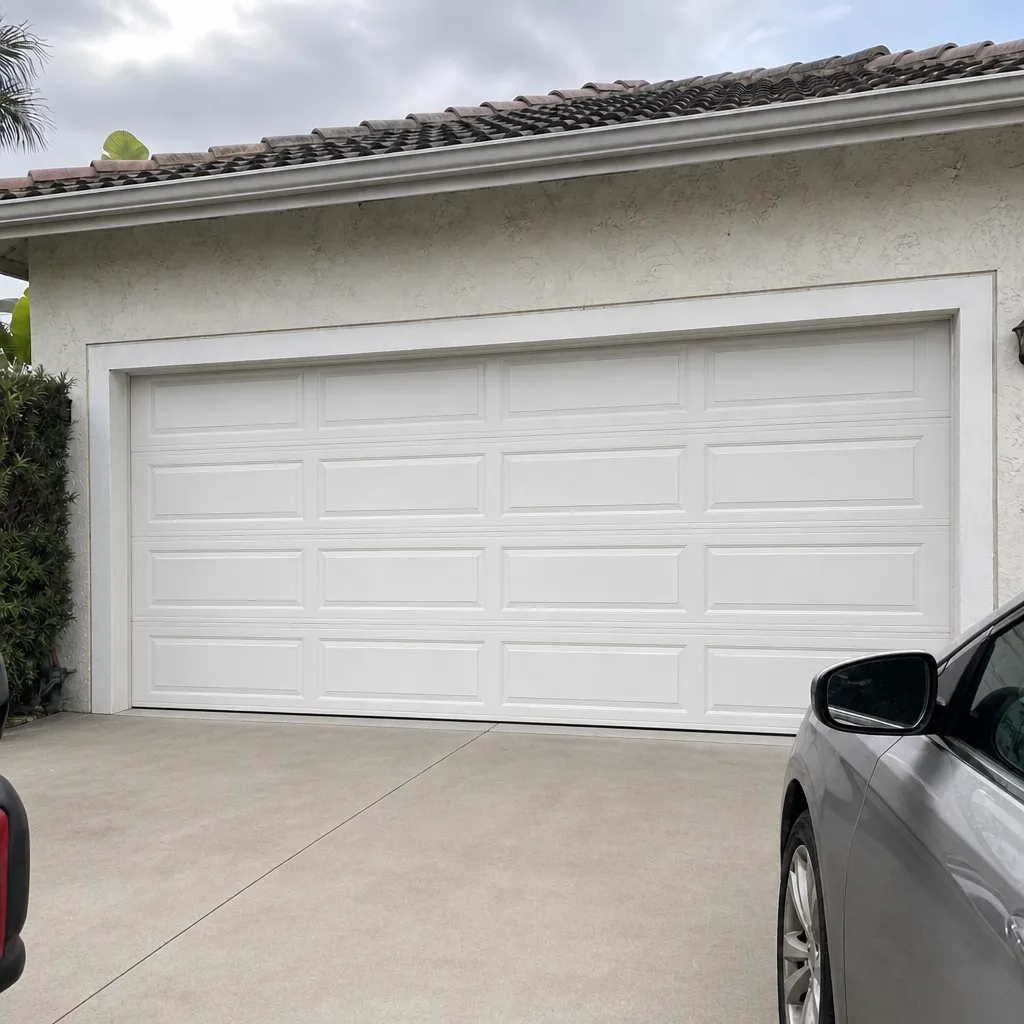 After