Last updated November 21, 2026
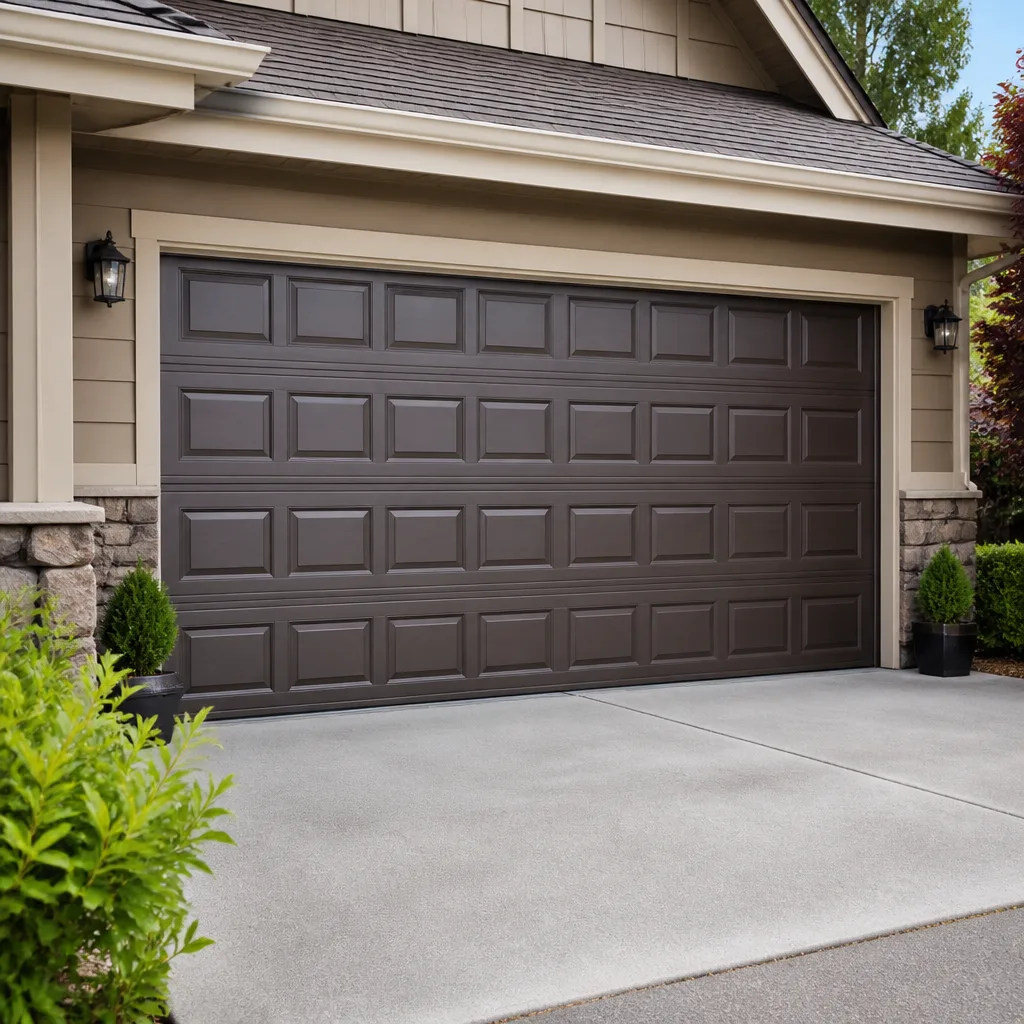 Raised-panel steel
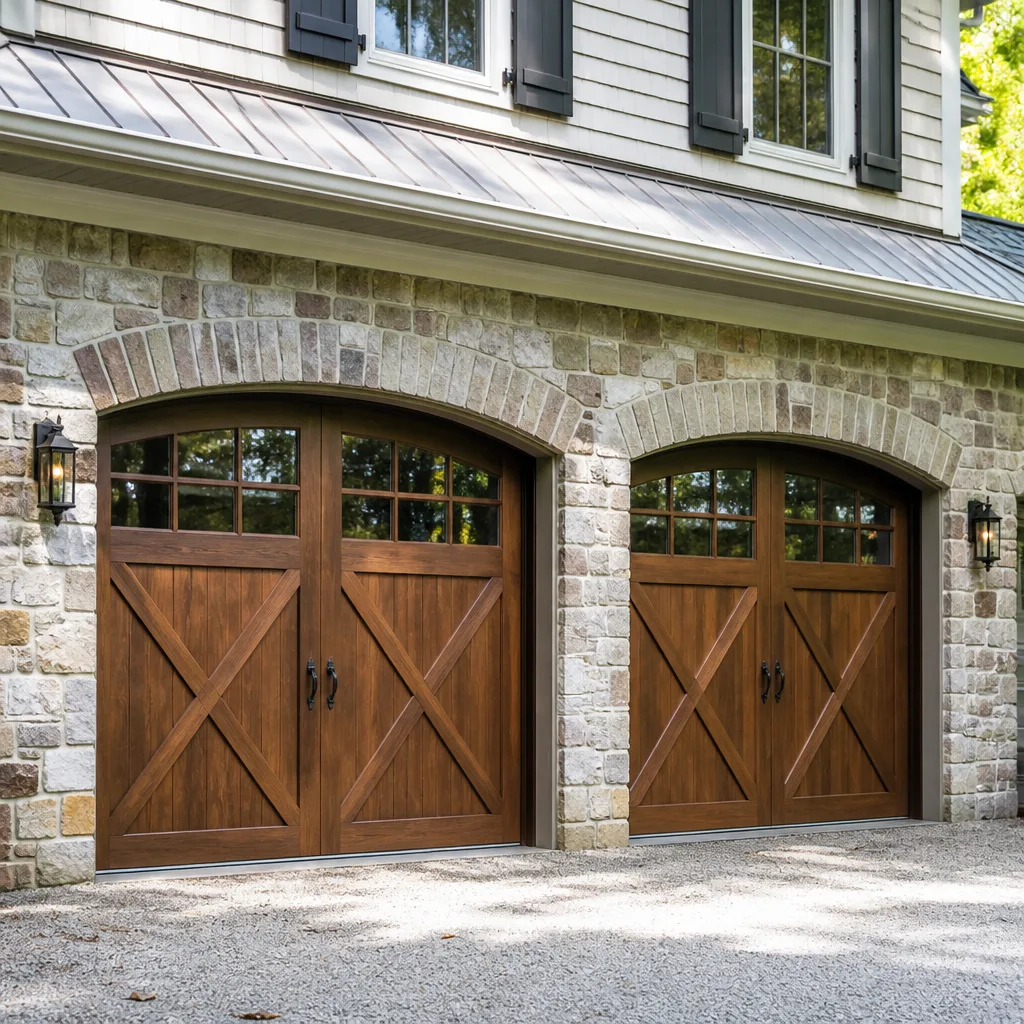 Carriage house
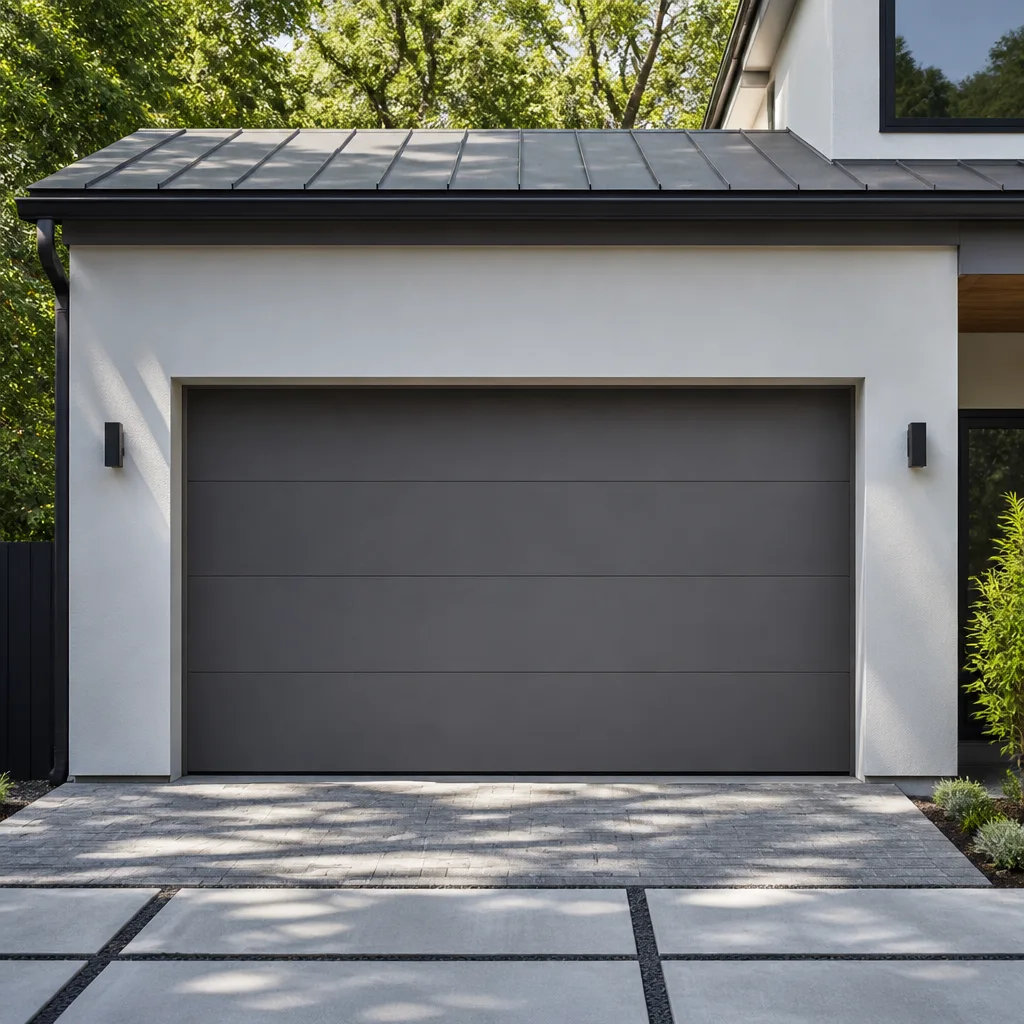 Modern flush
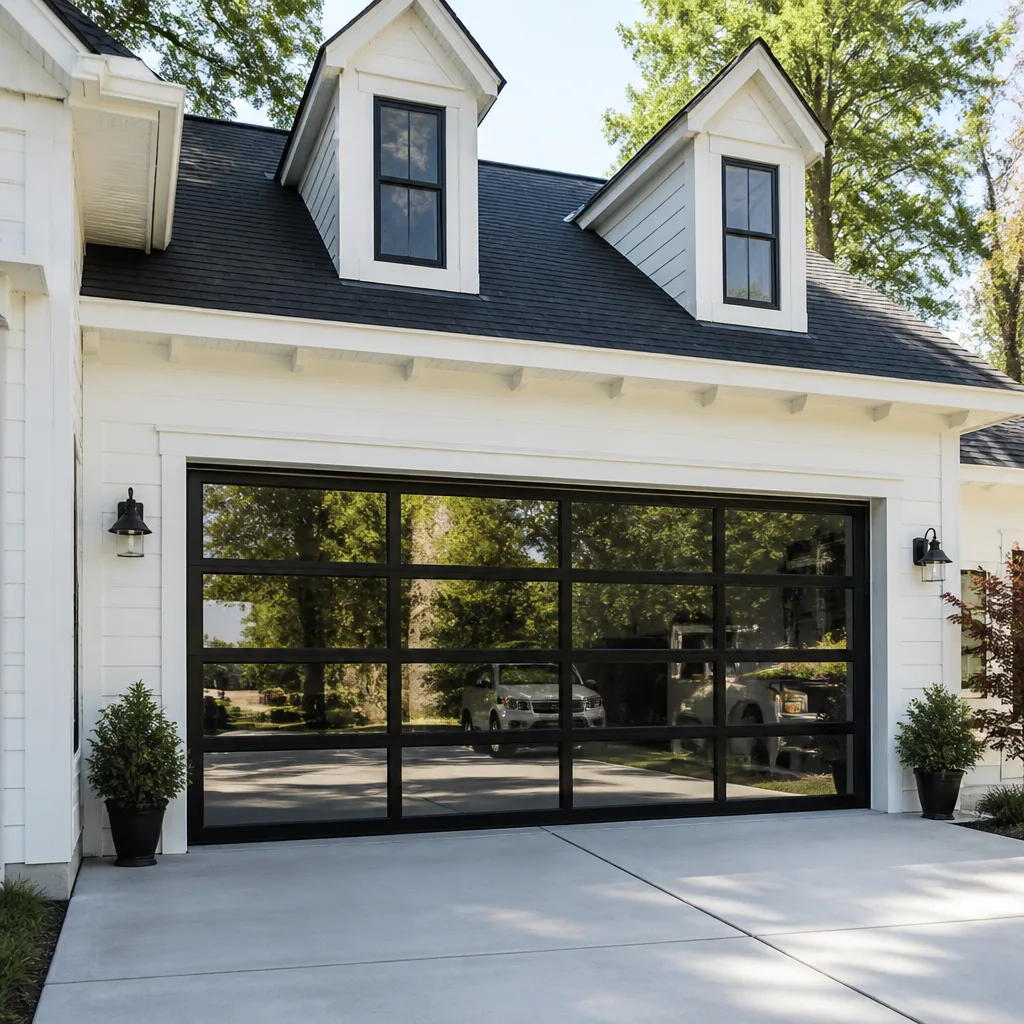 Full-view glass
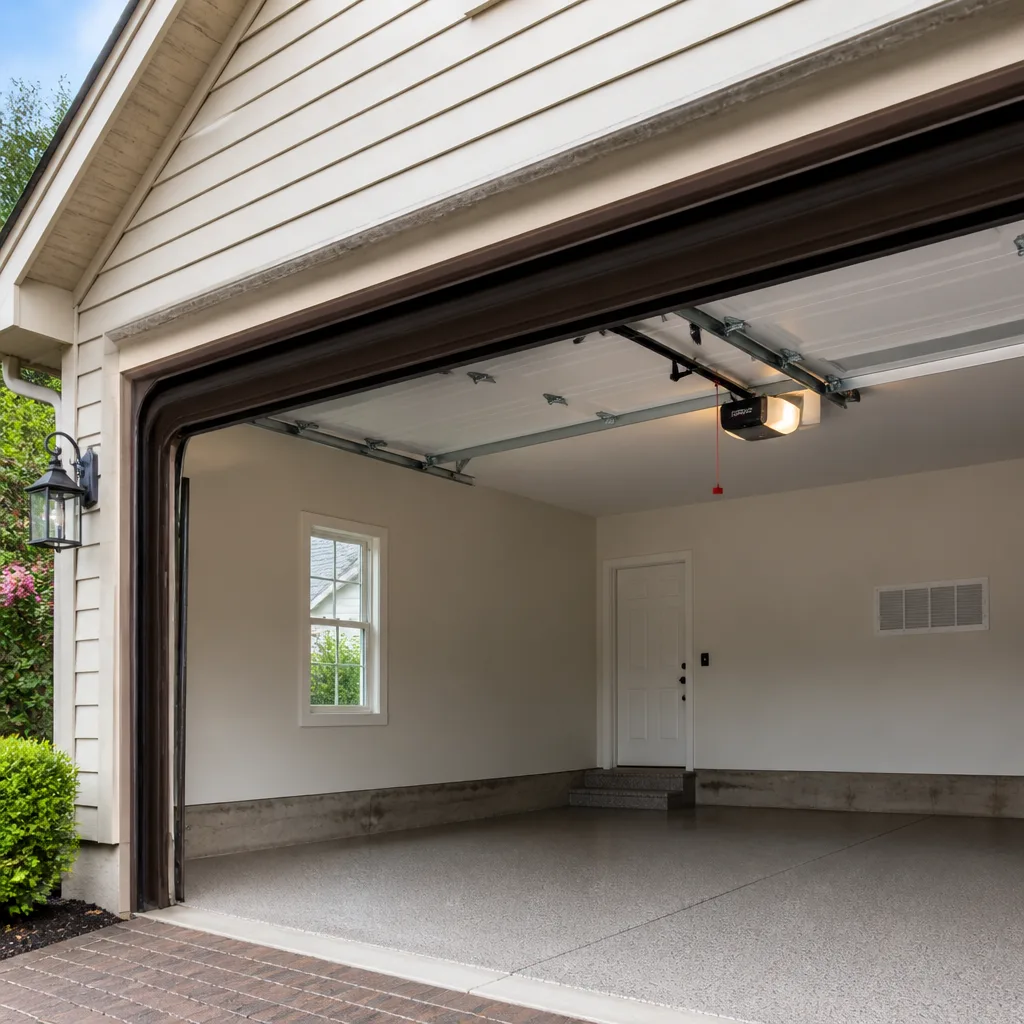 LiftMaster openers
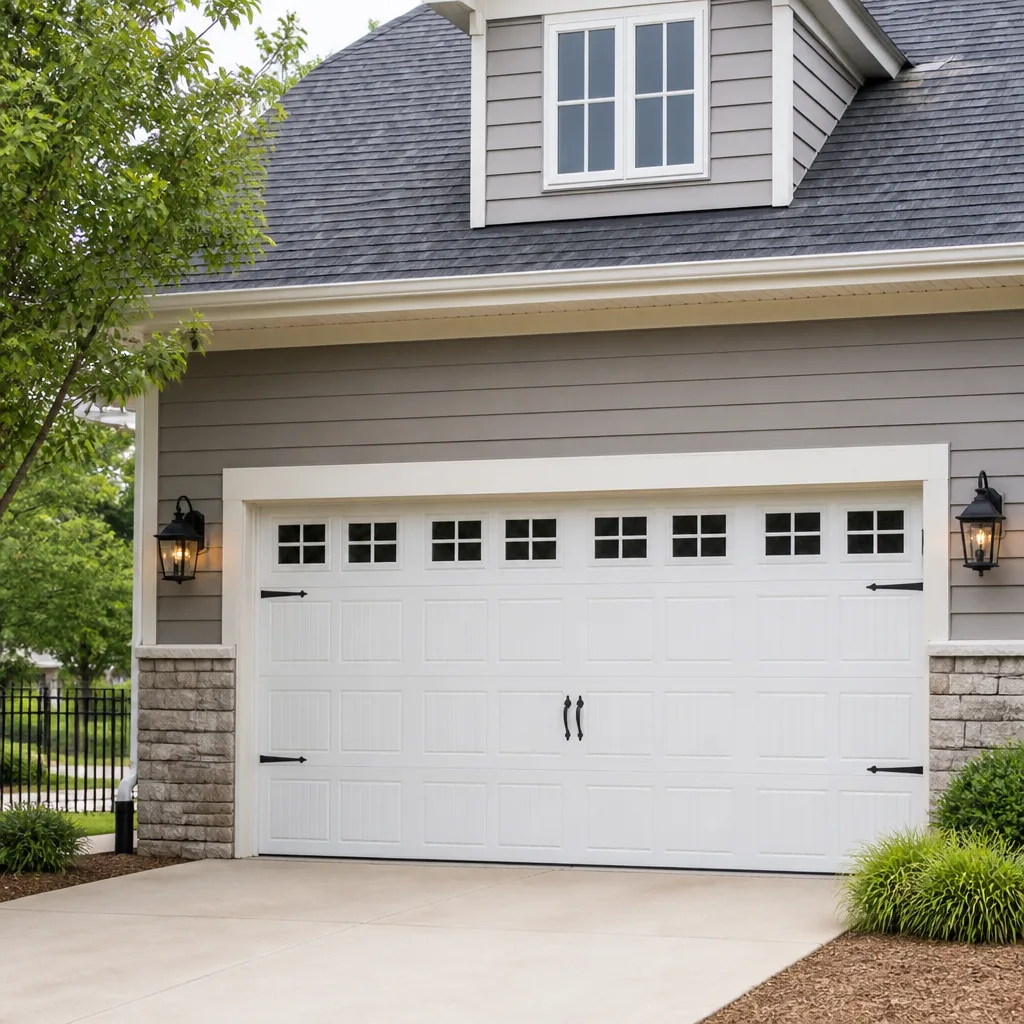 Chamberlain openers
Full 25-point door and opener safety check with every visit - springs, cables, rollers, tracks, and your LiftMaster or Chamberlain opener included
You get a price before we start. It does not change when the pro arrives.
Get your free estimateGarage Door Warning Signs: A Weston Homeowner’s Reference Guide
Garage doors rarely fail without warning. The problem is that the warnings are quiet, easy to dismiss, and almost always misread as normal aging. A door that takes two seconds longer to open than it did six months ago isn’t just “getting old” – it’s telling you the springs are losing tension and may be weeks away from failing. A single pop isn’t always harmless. This guide teaches Weston homeowners to read what the door is actually saying, sorted by urgency, so you can act before a manageable repair turns into a full emergency. We’ve seen enough Weston doors to know the signs are almost always there first.
Quick Answer
The most important garage door warning signs in Weston are: a door that opens or closes more slowly than it used to, popping or grinding noises during operation, a door that reverses before hitting the floor, visible rust lines along the panels, and a door that won’t stay halfway up when you test it by hand. Slow movement and popping usually point to spring wear; grinding and scraping point to rollers or track issues. If you notice a snapped spring, a frayed cable, or a door hanging crooked, stop using it today and call a professional.
Styles & brands we work with
- Raised-panel steel
- Carriage house
- Modern flush
- Full-view glass
- LiftMaster openers
- Chamberlain openers
Table of Contents
- What Your Garage Door’s Noises Are Telling You
- Visual Warning Signs, Sorted by Urgency
- Opener Behavior as a Diagnostic Tool
- The 30-Second Balance Test
- Warning Signs Specific to Florida Conditions
- Why Weston Doors Age Differently
- What Can Wait a Week vs. What Shouldn’t Wait
- Common Mistakes to Avoid
- When to Call a Professional
What Your Garage Door’s Noises Are Telling You
Sound is the earliest and most reliable diagnostic signal a garage door gives you. The tricky part is that across Weston’s gated communities and older neighborhoods, all four of the common garage door noises can sound similar to an untrained ear. They point to different mechanical parts. Here’s how to tell them apart.
A sharp pop or bang during the first few inches of travel
This is the sound of a torsion spring winding under extreme tension, and a single loud pop is one of the most common signals that a spring is failing or has just snapped. If the door settles in the open position and won’t close after hearing that pop, the spring has broken. Stop using the door and don’t try to manually lift it – torsion springs are the most dangerous component on the entire system.
Grinding or scraping, usually during movement
Grinding almost always points to one of three things: worn steel rollers, dirt in the tracks, or a roller that has come out of its bracket and is gouging the track. In our Weston experience this is the most fixable noise of the four, and left alone it wears down the track itself, which turns a small roller job into a full track replacement. If the grinding is coming from the opener head up top rather than the door itself, it’s usually a gear or sprocket issue inside the motor unit.
Creaking or squealing
Creaking is friction, plain and simple – usually dry hinges, worn rollers, or a torsion tube that needs lubrication. Squealing from the opener head often means the drive gear is wearing. This is the least urgent sound, but it’s also the easiest to catch early, and one of the few where a bit of lubrication can actually delay the wear.
Banging or rattling
A banging sound usually indicates a loose panel, a bracket that has come loose, or a door that has slipped off its track. Loose panels that rattle are one vibration away from becoming a safety issue, and a door off-track can drop suddenly. Treat any banging that starts suddenly as a stop-using-the-door signal until a technician looks at it.
Visual Warning Signs, Sorted by Urgency
Visual signs are easier to interpret than noises because you can see exactly what’s happening. The challenge is that homeowners see dozens of small changes a year and don’t know which ones matter. Here’s the sorting that actually works.
Stop using the door today
- A visible gap in the torsion spring. If you can see a broken gap in the coil above the door, the spring has failed. Do not operate the door.
- A frayed, kinked, or visibly broken cable. Cables are under extreme tension and can cause serious injury. This is a professional-only job.
- Door hanging visibly crooked or off its track. One side higher than the other means the door is no longer balanced or tracked correctly.
- Bent or cracked hinge, bracket, or bottom corner. Structural damage means the door can fail without warning mid-cycle.
Call within a few days
- Rollers with flat spots or visible wear. Rollers are cheap and easy to replace; a worn roller that fails under load can damage the track.
- Track that has been hit or has a dent. A dented track will eventually force the door off-track.
- Weather seal that has cracked, torn, or pulled away from the bottom. In Weston’s summer rain and afternoon storms, this lets water and pests in and puts strain on the door.
Watch for a couple of weeks
- Slightly stiff movement, or a hinge that squeaks. Usually a lubrication or minor wear issue.
- Opener LED that flickers or responds more slowly. Often a battery or sensor alignment problem.
- Minor cosmetic rust along the panel seams. Not urgent on its own, but a signal to check the bottom bracket and hinges for deeper corrosion.
Opener Behavior as a Diagnostic Tool
The opener is one of the most underrated diagnostic devices in your home. Its behavior tells you things the door itself can’t. Modern and legacy openers – we work on LiftMaster and Chamberlain units frequently, alongside Genie and Craftsman – share the same basic diagnostic language, so what you’re seeing applies no matter the model.
The door reverses unexpectedly before hitting the floor
This is the opener reporting a sensor obstruction. The two safety sensors at the bottom of the track are supposed to see each other across the door opening. If there’s dust, spider webs, a leaf, or a misaligned bracket in the way, the opener will reverse the door as if something is in its path. It’s rarely a broken opener – but if the sensors are clean, aligned, and the door still reverses, the problem is either the wiring or the opener itself. Occasional reversing that gets worse over a few days is worth a same-day call.
The door closes partway and stops, or reverses for no visible reason
A door that stops partway during closing usually means the opener is fighting resistance – a stretched spring, a track obstruction, or binding hinges. The opener has a travel-limit sensor and a force sensor; when the door is harder to move than the opener expects, it reverses back to the open position. This is actually a safety feature doing its job. But it’s telling you the door’s mechanical resistance has increased, and that resistance usually traces back to spring wear or a track issue.
The door moves much more slowly than it used to
Speed changes are the single most overlooked sign. When the springs lose tension, the motor has to work harder to move the door, and the door travels more slowly. If you’d swear your door used to open in 10 seconds and it now takes 14, notice that. The springs are likely within 60 days of failure. When that happens, you’re no longer looking at a garage door opener repair – you’re looking at a spring replacement.
Opener clicks, hums, or runs but the door doesn’t move
If you hear the motor humming but the door stays put, the opener’s drive gear or the manual release has likely disengaged. Check that the red manual release handle hasn’t been pulled. If it hasn’t and the motor still runs without moving the door, the drive system is the problem.
The 30-Second Balance Test
This is the fastest way to check spring health, and any homeowner can do it safely if they follow the rules. You don’t need to touch the springs. You just need to know what a healthy door feels like.
- Disconnect the opener by pulling the manual release handle on the opener rail. The door is now on manual operation.
- Lift the door by hand to about halfway up (roughly waist height). Use both hands, at the center or on the bottom handle. Lift slowly.
- Let go. A properly balanced door will stay at roughly that height. It may drift a few inches, but it should not fall or slam.
- Reconnect the opener by running the opener until the carriage engages, or follow your opener’s reconnect procedure.
If the door falls, drops quickly, or won’t stay up, the springs have lost tension. That’s the test telling you the door is unbalanced – and unbalanced doors nearly always mean spring wear. Do this check once a season. It takes under a minute and it’s the single most useful diagnostic you can perform on the door.
One caution: if at any point during the lift you feel the door binding, hear a pop, or see the door noticeably heavy on one side, stop and call a technician. Don’t force it. Springs are a safety issue, not just a repair.
Warning Signs Specific to Florida Conditions
Weston’s climate does things to garage doors that homeowners in drier or colder parts of the country don’t see. The wet season humidity, the daily rain during summer, and the year-round heat create a pattern of wear that’s specific to South Florida. Here’s what to look for, and what each sign actually means.
Rust lines along the panel seams
Rust on the vertical seam between panels – not just on the bottom edge – usually means moisture is getting trapped in the joint and the seal has degraded. On steel doors this is the first sign that the factory paint is starting to fail at the joining points. Left alone it spreads under the paint, and eventually the panel itself is compromised. Surface rust can be sanded and repainted; rust that has traveled up the seam is a panel replacement.
Cracked or pulling weather seal at the base
Weston’s summer rain hammers the bottom seal during afternoon storms. When the seal cracks, tears, or pulls away from the retainer, water gets into the door opening, pests get in, and the door’s bottom bracket takes on water exposure it wasn’t designed for. It’s a small replacement that pays for itself in avoided water damage. This is the one warning sign where we recommend fixing it the week you notice it, not waiting.
Corrosion at the bottom bracket and hinge pins
Corrosion on the bottom corners – the metal brackets that hold the lower rollers – is the deeper concern. Those brackets carry the full weight of the door on that side. Once corrosion has weakened the bracket or its fasteners, the door can shift under load. This is a design and structural safety point, not a cosmetic one. If the bracket looks pitted or the fasteners look eaten away, stop using the door until a professional checks it.
Sun-faded or warped panels
Weston’s strong summer sun beats on west-facing doors for hours. Fading is cosmetic. Warping is not. A wood or composite door that has bowed slightly may not close flush, putting uneven pressure on springs and hinges. Check the door from inside the garage in the late afternoon and look for a wavy reflection off the panels – that’s a bowed door, and a bowed door is a load-balance problem.
Why Weston Doors Age Differently
Most homeowners assume garage doors are all the same and the calendar is what wears them out. In Weston, the wear pattern is more about exposure than age. A north-facing door under a shaded overhang in a community like Weston Hills sees far less UV exposure than a west-facing door in Bonaventure or Savanna with no tree cover. That west sun is the difference between a door that lasts and a door that shows fading, warping, and seal cracking first.
Central to a Weston door’s health is the balance between use frequency and the environment. In our experience:
- Doors facing west need seal and paint checks twice as often as north-facing doors because of midday and afternoon sun exposure.
- Doors on the garage entry side of the home – the wall most Weston homes have facing the driveway – get more wind-driven rain during storm season, so the bottom seal and bottom bracket wear faster.
- Doors used as the primary household entry (common in Weston single-family homes where the garage is the primary door) cycle far more times per day than the opener was rated for, which speeds spring fatigue.
This is why a door that’s only a few years old can show early warning signs in Weston, while a door of similar age in a drier market might be running fine. Age isn’t the metric – cycles, exposure, and humidity are. If your household treats the garage as the front door (school pickups, groceries, daily entry), we recommend an annual visual check every spring.
What Can Wait a Week vs. What Shouldn’t Wait
This is the section homeowners actually need, because the difference between “wait” and “call today” is a difference between a two-hundred-dollar repair and a full emergency. Here’s the sorting we use.
Wait a week (schedule a repair this week)
- One-time or occasional popping during the first few inches of travel – schedule within a week.
- Squealing or creaking that’s consistent but not loud.
- Slight rust on the bottom edge, no seam rust yet.
- Opener LED that flickers but the door still operates normally.
- A single loose bolt or hinge rattle that tightens up with a wrench.
Call within a day
- Any grinding that continues throughout the door’s movement.
- Door reverses before hitting the floor more than once.
- Door moves noticeably slower than it did a month ago.
- Cracked or hanging weather seal after a storm.
- Door won’t stay up when you test it by hand.
Call today – stop using the door
- Visible gap in the spring or a snapped spring.
- A loud pop followed by a door that won’t open or close.
- Frayed, kinked, or hanging cable.
- Door hanging crooked, off its track, or visibly sagging on one side.
- Opener runs but door doesn’t move and manual release isn’t the cause.
If you’re in the “call today” category, that’s the moment for garage door repair straight away – a small repair today prevents the emergency call tomorrow. Our technicians have up to 15 years of experience and we handle both the small repairs and the full emergencies.
See the difference
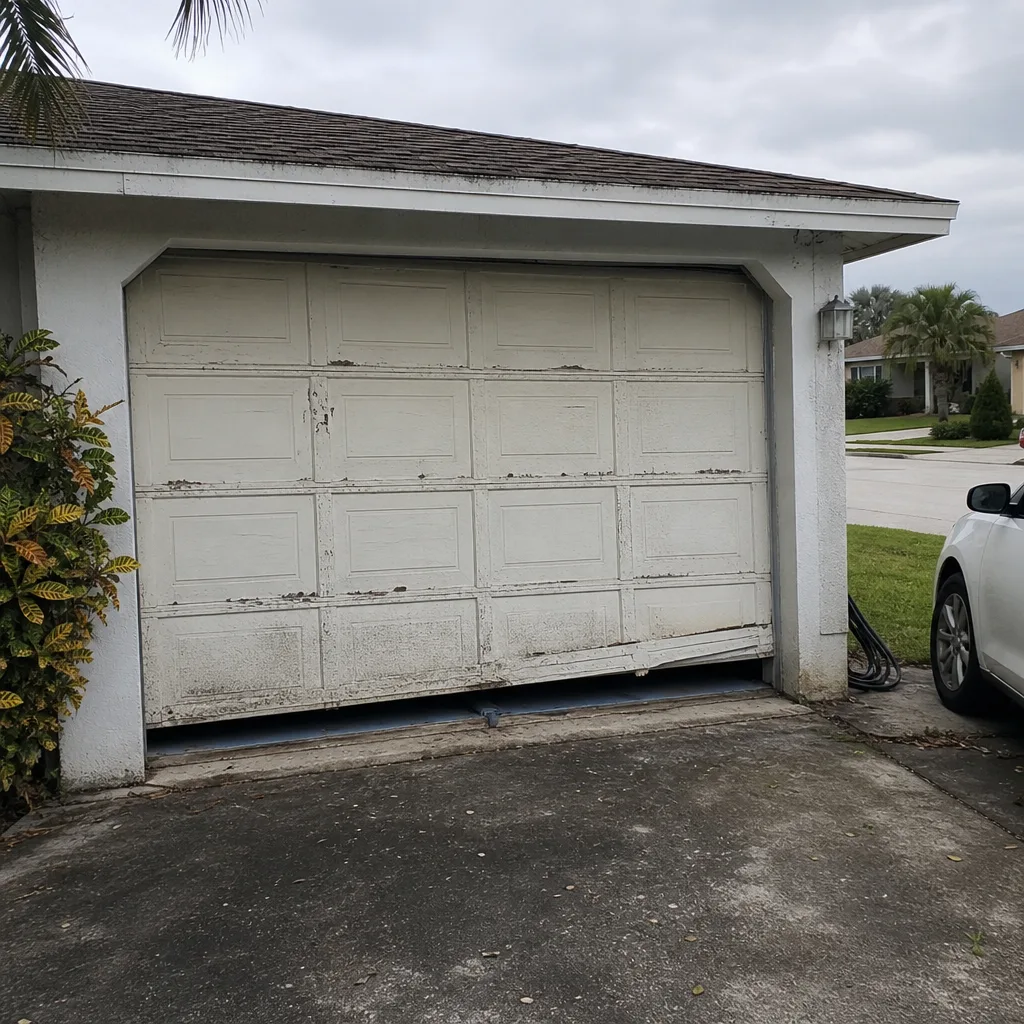 Before
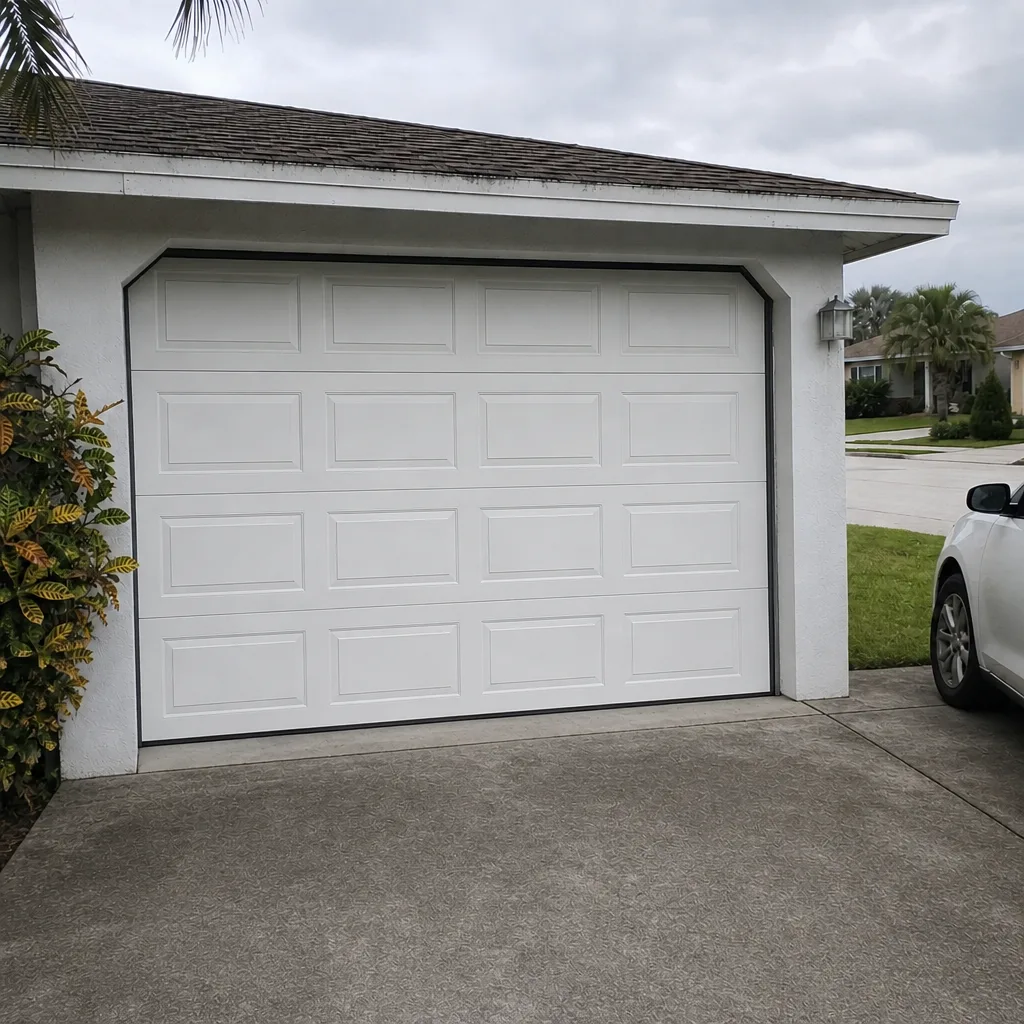 After
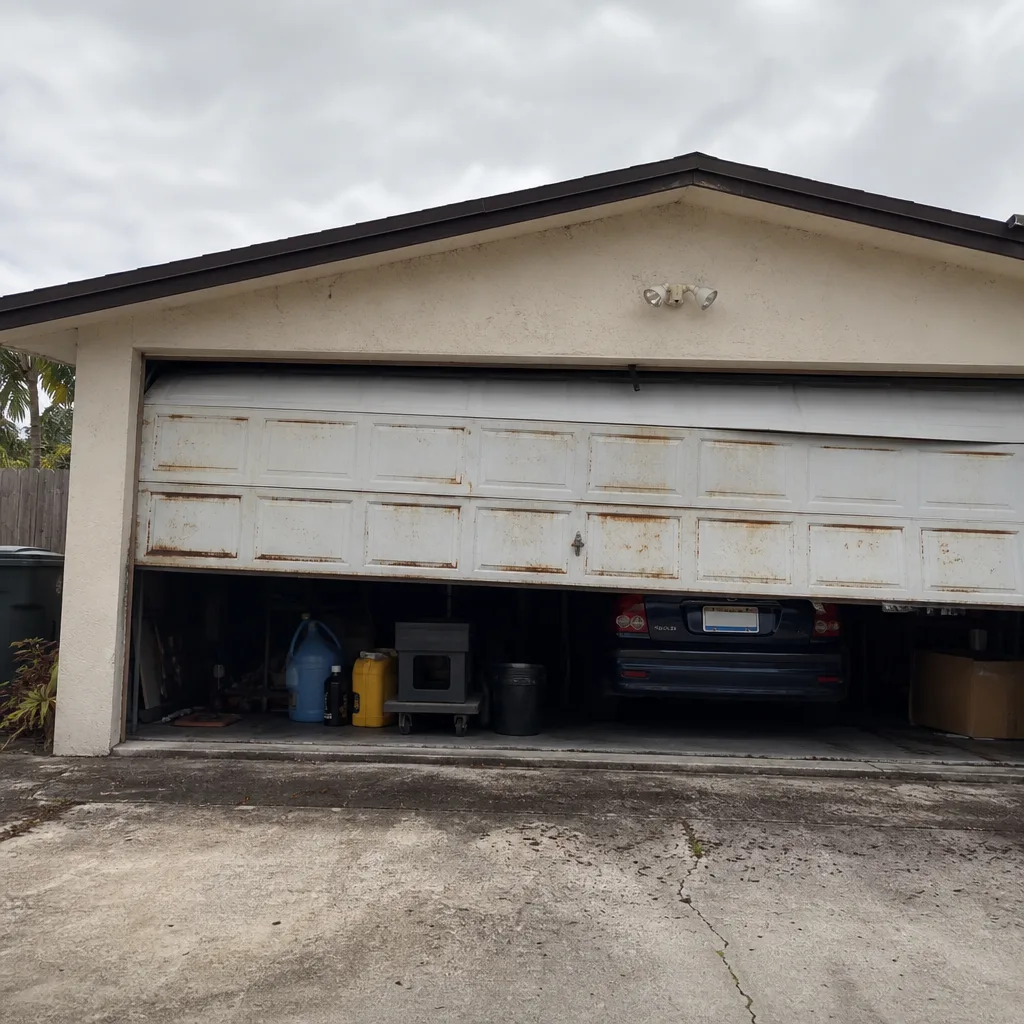 Before
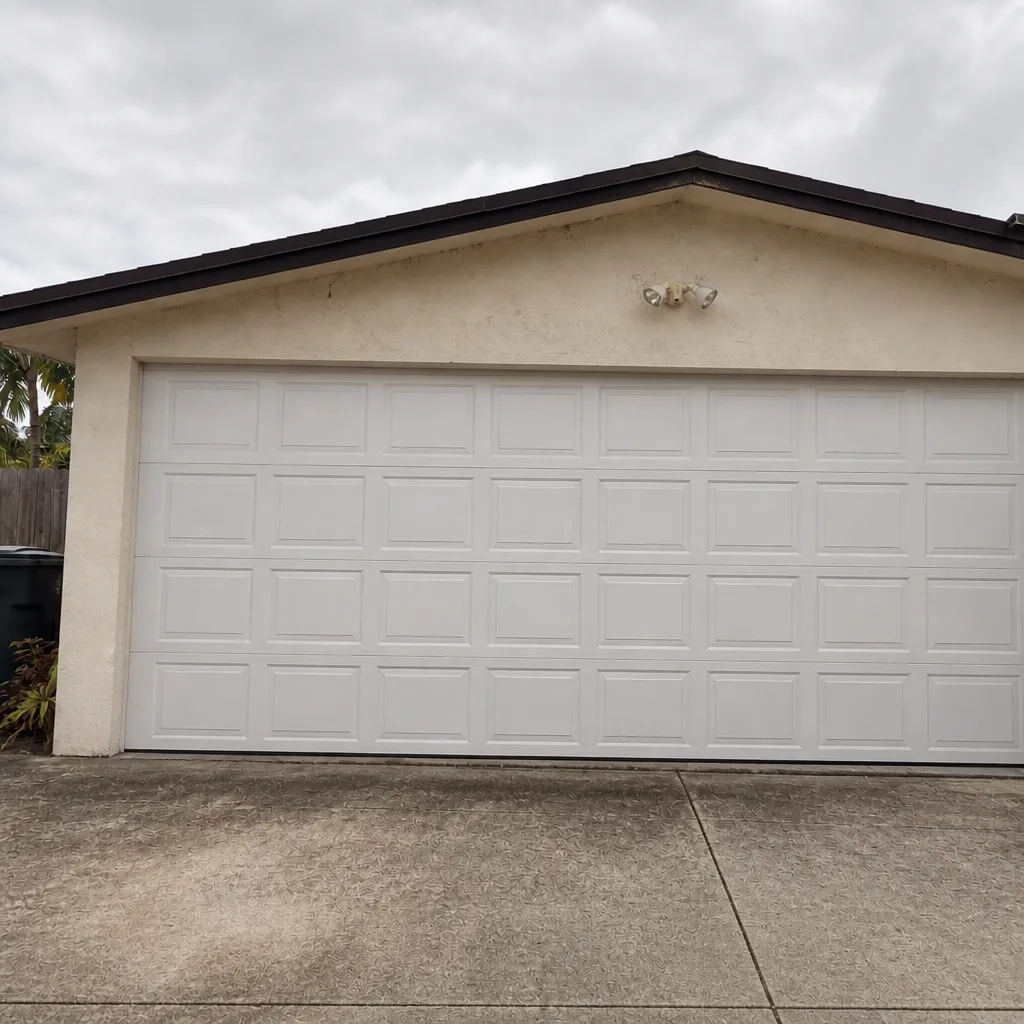 After
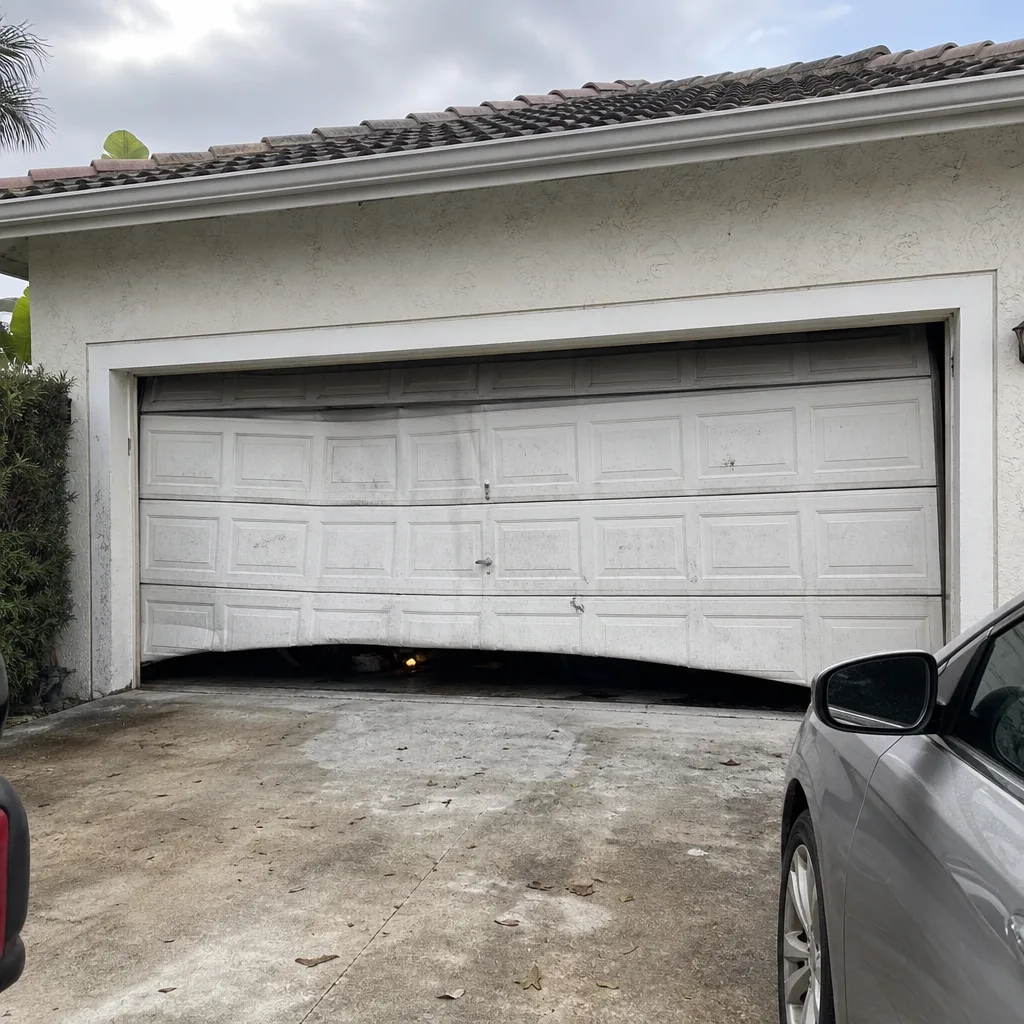 Before
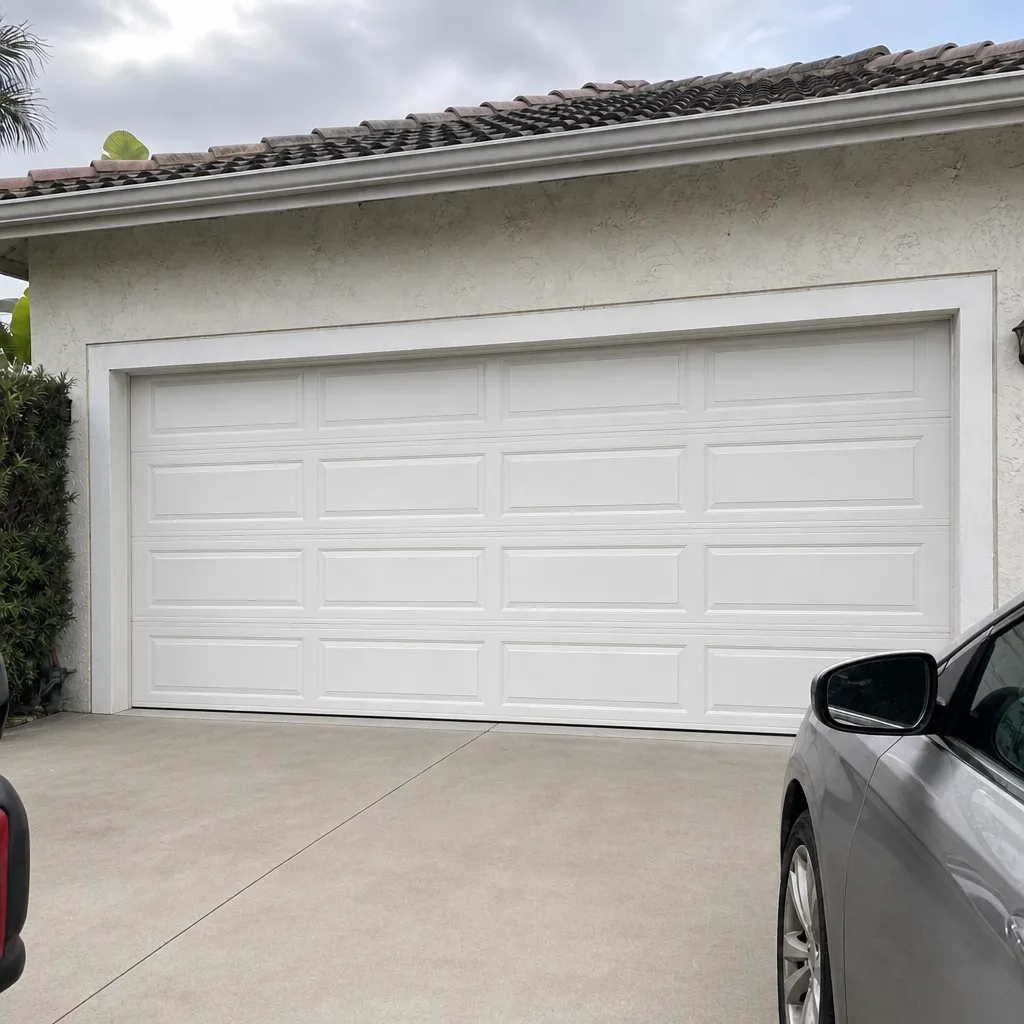 After
Common Mistakes to Avoid
- Assuming a slow door is “just getting old.” Slow movement is a spring tension signal, not an age signal. A door a few years old that’s suddenly slower needs attention just like an older door.
- Treating a single pop as harmless. A single pop is not a warning sign to dismiss – it’s a spring that’s telling you it’s failing. Notice it now, call a technician, and don’t operate the door until it’s checked.
- Lubricating the springs. Springs are not a lubrication job. Grease on a torsion spring can hide wear, attract grit, and make the spring harder to inspect. Leave them alone and let a technician look.
- Adjusting a torque tube or winding a spring yourself. Torsion springs hold enough stored energy to cause serious injury if mishandled. This is the single most dangerous component on the entire door system and it’s not a homeowner repair, no matter what a tutorial says.
- Ignoring the weather seal for a whole season. In Weston’s wet months, a cracked seal lets water under the bottom of the door and onto the bracket. Small cost, big downstream savings.
- Waiting for the door to fail before calling. The whole point of reading warning signs is to act before the failure. A spring that’s close to breaking is still repairable in one visit; a broken spring usually means a bigger repair and sometimes a same-day emergency call.
- Hiring a technician who doesn’t recognize the brand. Brands are not interchangeable – LiftMaster and Chamberlain use different logic on their safety-reversing circuits than Genie or Craftsman, and Clopay panels are not the same as Amarr or Wayne Dalton panels. A technician who has to learn your system on the spot costs you time and sometimes a wrong part.
When to Call a Professional
Call a professional any time the warning signs point to the spring, the cables, or the door’s balance or tracking. Those components are under extreme tension and hold the door’s full weight – this isn’t a homeowner repair, even for experienced DIYers. Call today if you hear a sharp pop followed by a door that won’t open, if you see a broken spring or a frayed cable, or if the door is hanging crooked or off-track. Call within a day if the door reverses unexpectedly, moves noticeably slower, or grinds throughout its travel. And call with any sign you’re unsure about – a technician can usually tell in one visit what a slower door is actually reporting.
Weston Garage Door Repair Pros offers free estimates in Weston – call (833) 847-7527. We work on the eight major brands homeowners in Weston most often have: LiftMaster, Chamberlain, Genie, Clopay, Amarr, Wayne Dalton, Craftsman, and Raynor. If you need dedicated garage door spring repair, that’s one of our core services – the same team handles the diagnosis and the repair, so you don’t need two contractors.
For a closer look at the full scope of what we handle, visit our Weston Garage Door Repair Pros homepage.
Frequently Asked Questions
A noticeably slower door is usually a sign of spring tension loss, and springs typically fail within 60 to 90 days of the slowdown you’re seeing. That’s the timeline we’d work with in Weston – the door will keep working for weeks but with a growing risk of snapping when you least expect it. Call for an estimate within a week of noticing the change.
A single pop during the first few inches of travel is not normal, even if the door still opens. It usually means a spring is under extreme tension and beginning to fail. Stop using the door and have it checked. If the pop is followed by the door settling or refusing to open, the spring has already snapped. Call (833) 847-7527 for a same-day estimate if that happens.
Yes – in fact, that’s one of the first things a technician does on a diagnosis visit. If you’re not comfortable pulling the manual release and lifting the door yourself, or if any part of the door feels heavy, call us and we’ll run the balance check for you as part of a free estimate in Weston.
If the opener runs but the door doesn’t move, or if the door reverses without an obstruction, the problem is usually the door’s mechanical balance (springs or track) rather than the opener itself. If the opener hums or clicks but doesn’t run at all, the opener is the problem. A diagnostic visit tells you which in under an hour – and we work on LiftMaster and Chamberlain units daily, plus Genie and Craftsman.
Yes. We handle both the door and opener as a single job – that’s part of what makes a same-source company practical. If your existing opener is compatible, we can usually keep it; if it’s not up to the door’s weight, we can pair a new door with a new opener so you’re not coordinating two different contractors.
Yes – the local professionals we connect you with are licensed and insured as their state requires. Pricing is quoted and agreed before any work starts, and you’ll get a free estimate on your Weston door first. Call (833) 847-7527 for an exact quote.
The Bottom Line
Garage doors are honest machines – they always give you a sign before they fail. Slow movement, a single pop, a grinding sound, a rusty seam, a door that won’t stay up when tested – those are the door’s way of telling you what’s coming, and the homeowner who reads them gets a modest repair instead of a middle-of-the-night emergency. Watch for the four noise signatures, run the balance test once a season, and sort the visual signs by urgency. If you’ve noticed something on your Weston door and you’re not sure how serious it is, call us. The estimate is free, the diagnosis usually takes under an hour, and you’ll know exactly what the door is saying.
For questions or to schedule a free estimate, call (833) 847-7527. Weston Garage Door Repair Pros handles garage door opener repair, spring work, new installation, and emergency garage door service – one call covers it, whether your door is on a LiftMaster or a Craftsman, a Clopay or a Raynor.
Written by the team at Weston Garage Door Repair Pros.